Tennessee Aquarium Chattanooga: From Mountain Streams to Ocean Depths
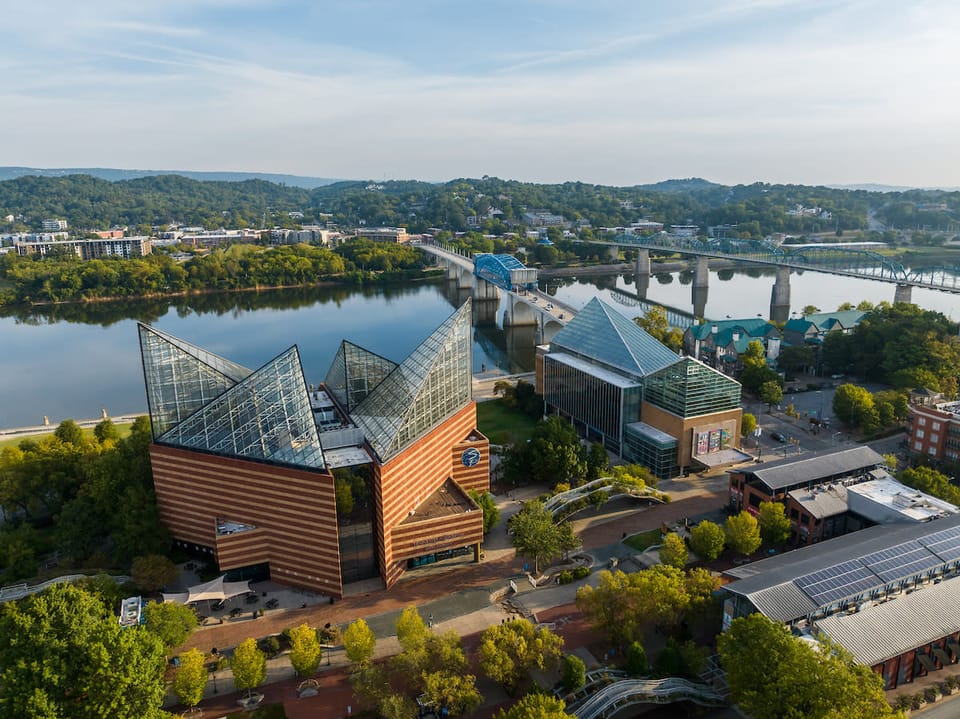
The Tennessee Aquarium tells the story of water's journey from mountain streams to ocean depths, a venture that mirrors Chattanooga's own transformation from struggling industrial city to thriving destination. Housing one of the world's most comprehensive freshwater and marine collections, the aquarium not only reflects this transformation but served as the catalyst for a remarkable urban renaissance that began when it opened in 1992.
Following Water's Path
The aquarium's exhibits are housed in two buildings that guide visitors through water's journey. The experience begins in the Appalachian Cove Forest, which recreates the Tennessee River's mountain origins with rushing waterfalls, bird calls, and thick, humid air. Ancient trees shelter streams populated with native fish, while amphibians and reptiles inhabit hollow logs throughout this immersive environment.
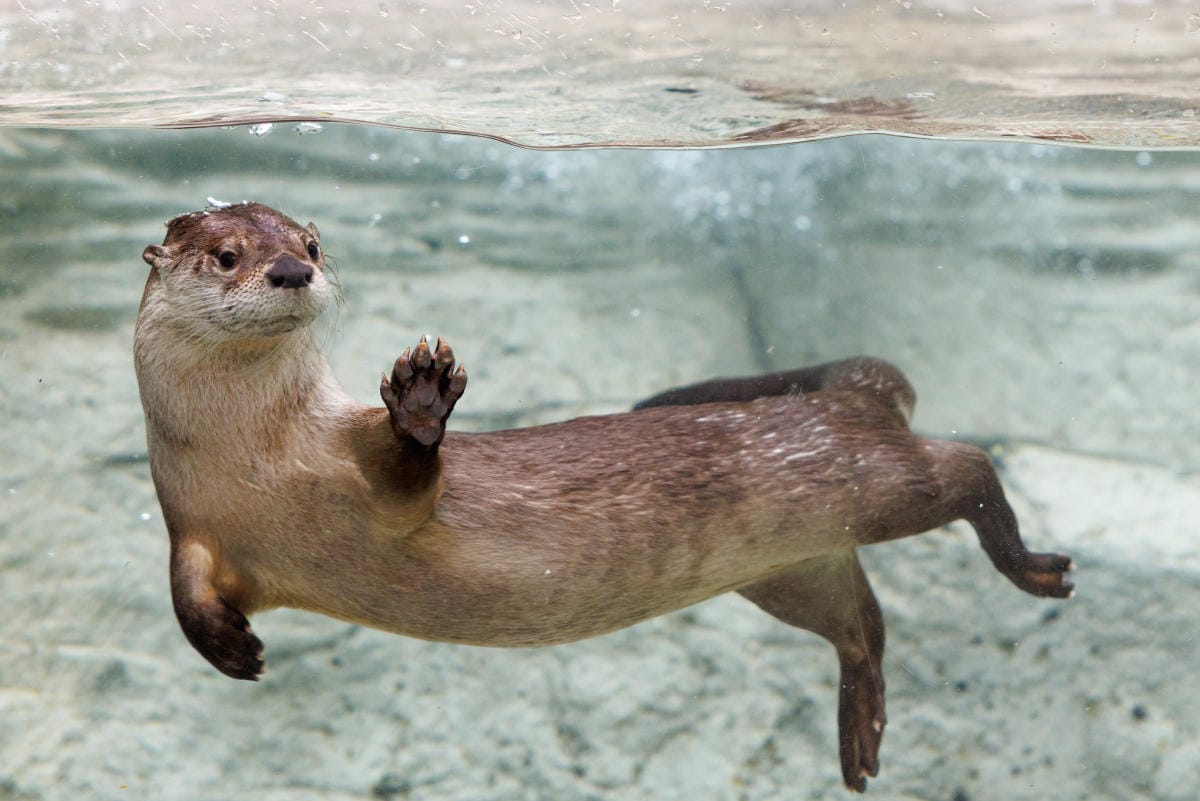
River Otter Falls showcases North American river otters in a multi-level habitat where these playful mammals climb, swim, and interact in groups throughout the day. Their athletic underwater performances and puppy-like wrestling demonstrate the vitality of healthy aquatic ecosystems.
As visitors follow water's journey downstream, the Tennessee River gallery examines how the Tennessee Valley Authority's 35 dams have transformed the natural system since the 1930s. Exhibits compare wild waterways with managed reservoirs, including habitats representing the controlled Tennessee River and natural areas like Reelfoot Lake.
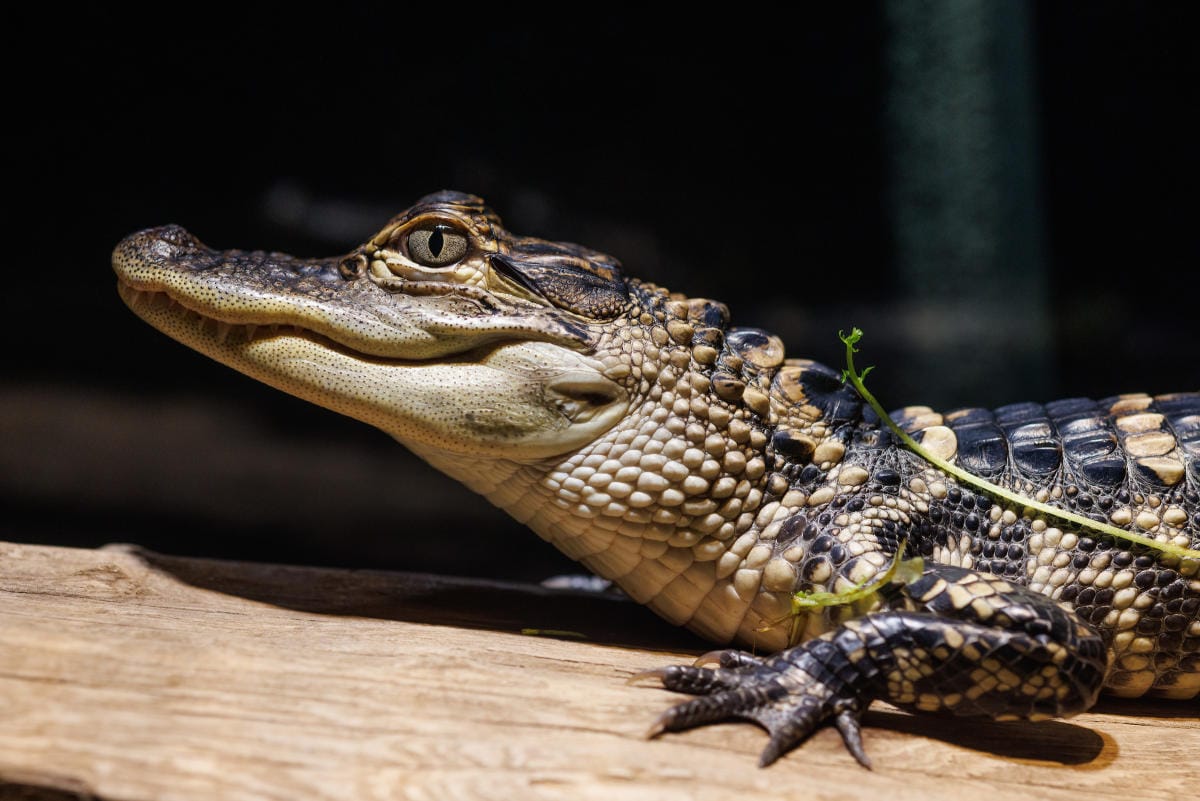
The Delta Country gallery transports visitors into cypress swamp ecosystems where American alligators patrol murky waters beneath hanging moss and tangled roots. These intelligent reptiles communicate through vocalizations and body language while sharing their habitat with massive alligator snapping turtles, sunfish, and ducks.
From Freshwater to Oceans
The Rivers of the World gallery expands the story globally, showcasing aquatic life from the Amazon, Congo, Volga, and Fly Rivers. Three Amazon exhibits highlight the world's largest river system, from colorful small species to piranhas and anacondas. The flooded forest exhibit recreates the annual transformation when Amazon waters rise 30 to 40 feet during rainy season.
Created in partnership with National Geographic, the River Giants exhibit features massive freshwater fish such as arapaima and giant stingrays while telling conservation stories. Some species like lake sturgeon show recovery through conservation efforts, while others face critical endangerment without intervention. The Turtles of the World gallery showcases 356 turtle and tortoise species. These ancient reptiles have survived since before the dinosaurs and play crucial roles in seed dispersal and environmental health.
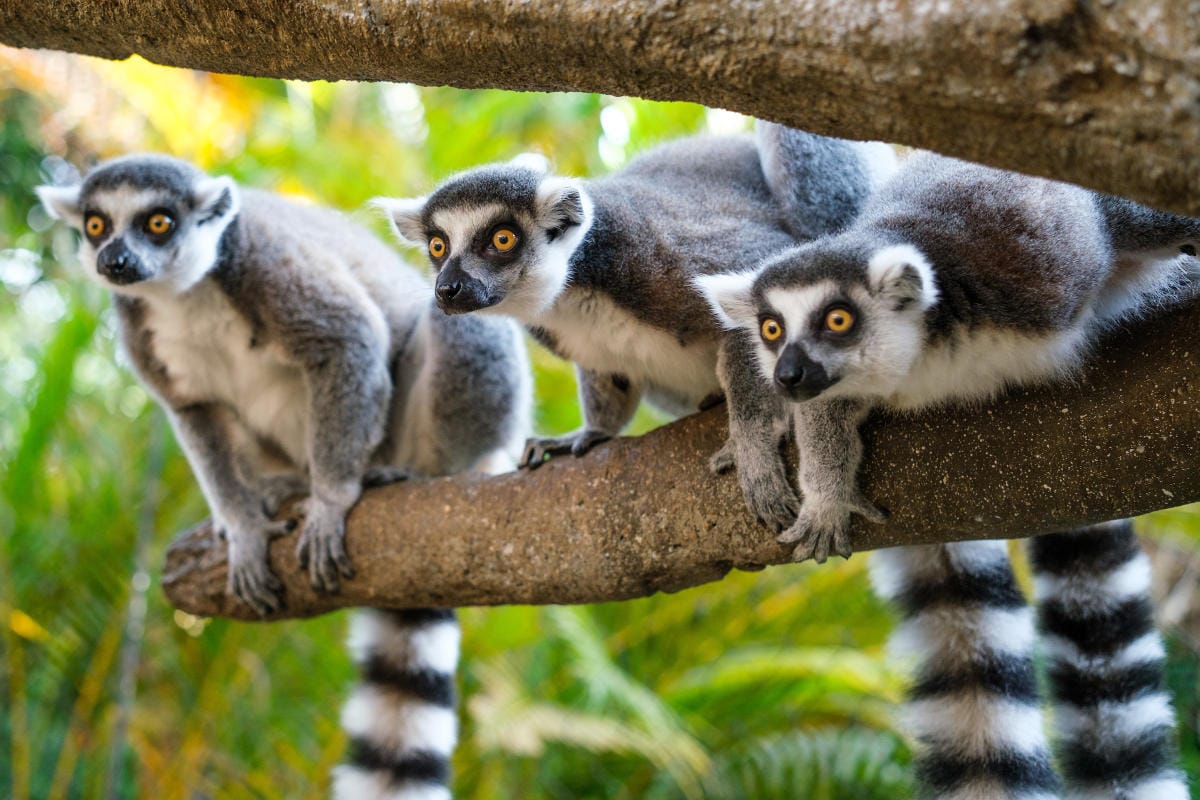
Ocean Journey continues the water story into marine environments. The Tropical Cove creates a tropical rainforest environment where lemurs travel overhead paths while visitors explore tropical ecosystems below. Guests can enjoy hands-on experiences at Stingray Bay, with an extensive shoreline where they can touch sharks and stingrays as they glide through warm waters.
Housing more than 1,000 butterflies from two dozen species, the Butterfly Garden features a warm gallery filled with blooms and cascading waterfalls. The butterflies fly freely among visitors, occasionally landing on shoulders and arms.
Gentoo and Macaroni penguins dive and rocket through their habitat at Penguins' Rock. Many visitors are surprised by the size of these sub-Antarctic birds - Gentoos rank as the third largest penguin species worldwide.
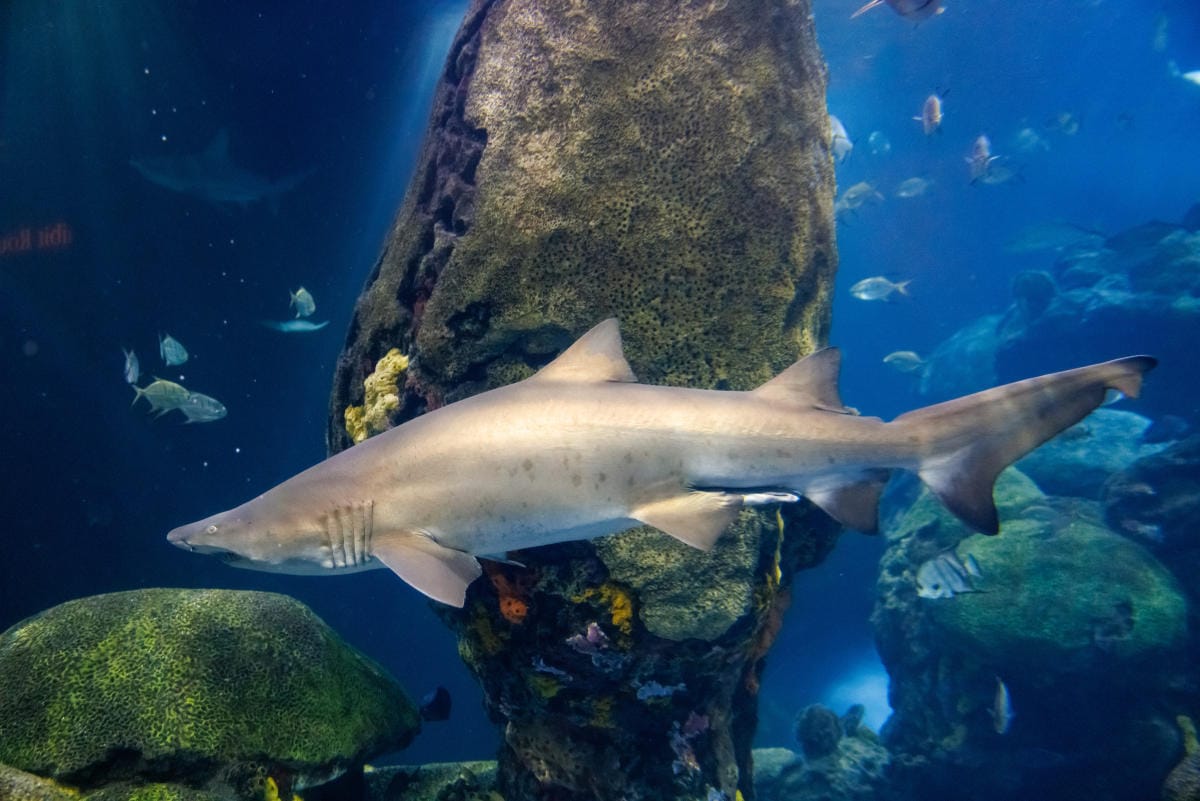
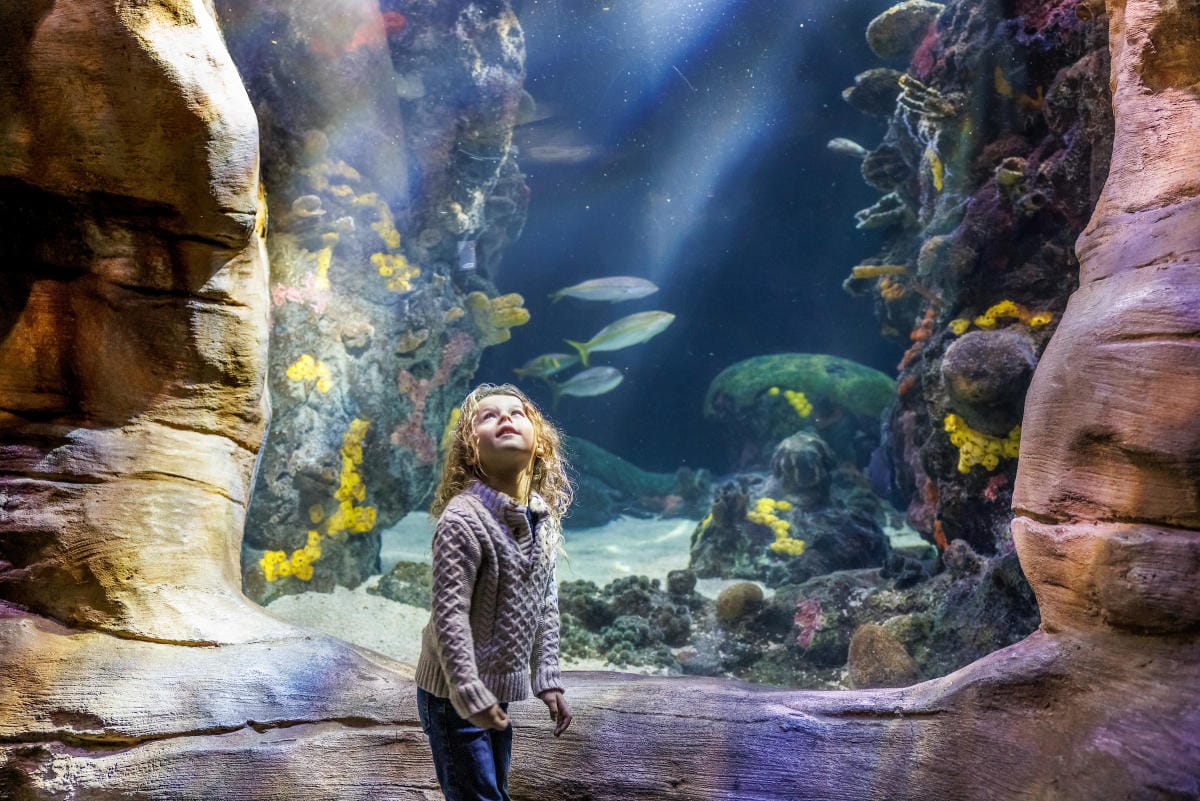
Recreating the Flower Garden Banks National Marine Sanctuary from the Gulf of Mexico, the Secret Reef features a darkened gallery with ambient underwater sounds. Ten-foot sand tiger sharks and sleek sandbar sharks patrol among colorful reef fish and two impressive green sea turtles. Visitors feel suspended in the ocean depths at the Undersea Cavern, which provides panoramic underwater views. Schools of fish dart in every direction while massive sharks swim overhead, creating the sensation of deep-sea diving without equipment.
Chattanooga's Transformation
In 1984, Chattanooga's transformation began when city leaders launched "Vision 2000," a community planning process that returned focus to the Tennessee River waterfront. University of Tennessee architectural students first proposed an aquarium near downtown, an idea that became the centerpiece of the ambitious Tennessee Riverpark Master Plan. The aquarium opened in 1992 and sparked a decade of rapid downtown development that included the Chattanooga Visitors Center, the converted Walnut Street Bridge as a pedestrian walkway, the Creative Discovery Museum, IMAX 3D Theater, and Coolidge Park with its vintage carousel.
This development attracted more than 100 new restaurants, shops, and businesses. The transformation captured national attention, with what Walter Cronkite once dubbed "the dirtiest city in America" earning recognition as one of America's most enlightened cities, top family vacation destinations, and most walkable communities. The city's growth culminated in the 2005 expansion that added $120 million in riverfront improvements across 129 acres.
Conservation Beyond Chattanooga
The aquarium's impact extends beyond Chattanooga. Behind the exhibits, the Tennessee Aquarium Conservation Institute conducts research on freshwater ecosystem restoration while training future aquatic scientists. This work addresses a critical need in the Southeast, which supports almost two-thirds of the country's fish species, over 90% of US mussel species, and nearly half of the world's crayfish species.
More than a quarter of the region's species exist nowhere else on Earth, yet the number of imperiled freshwater fish species in the Southeast has risen 125% in the past 20 years due to intensive development and limited conservation priority. The Conservation Institute works with partners across Alabama, Georgia, Mississippi, North Carolina, South Carolina, Tennessee, and parts of Louisiana, Kentucky, and Virginia to develop coordinated regional conservation strategies. Through the Southeastern Aquatic Biodiversity Conservation Strategy, researchers identify high-priority watersheds and develop management actions that can leverage funding quickly while addressing areas with greater long-term conservation needs.
The Tennessee Aquarium is located at 1 Broad Street in Chattanooga. For more information about hours, special programs, and conservation initiatives, visit www.tnaqua.org. To explore other Chattanooga attractions, visit www.visitchattanooga.com.