The Bell Museum: Where Nature Rings True
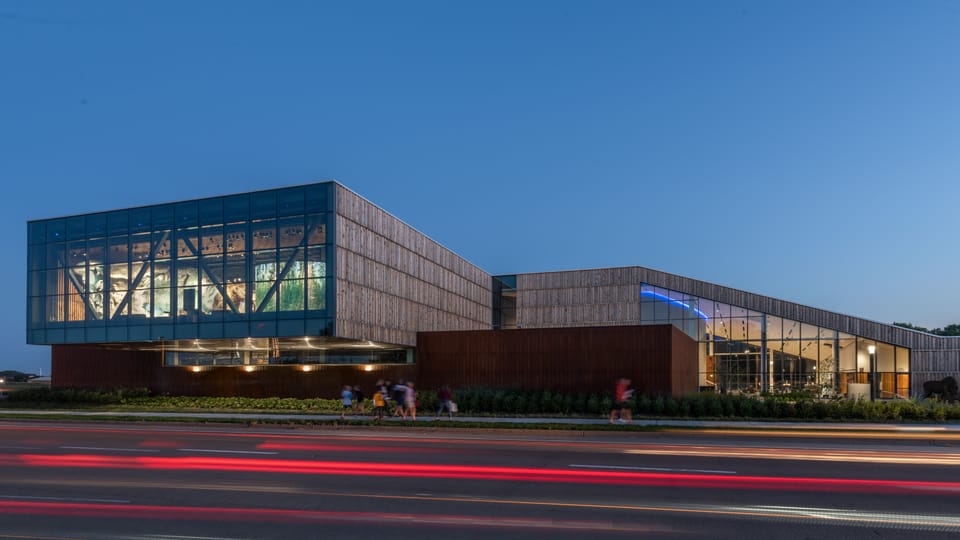
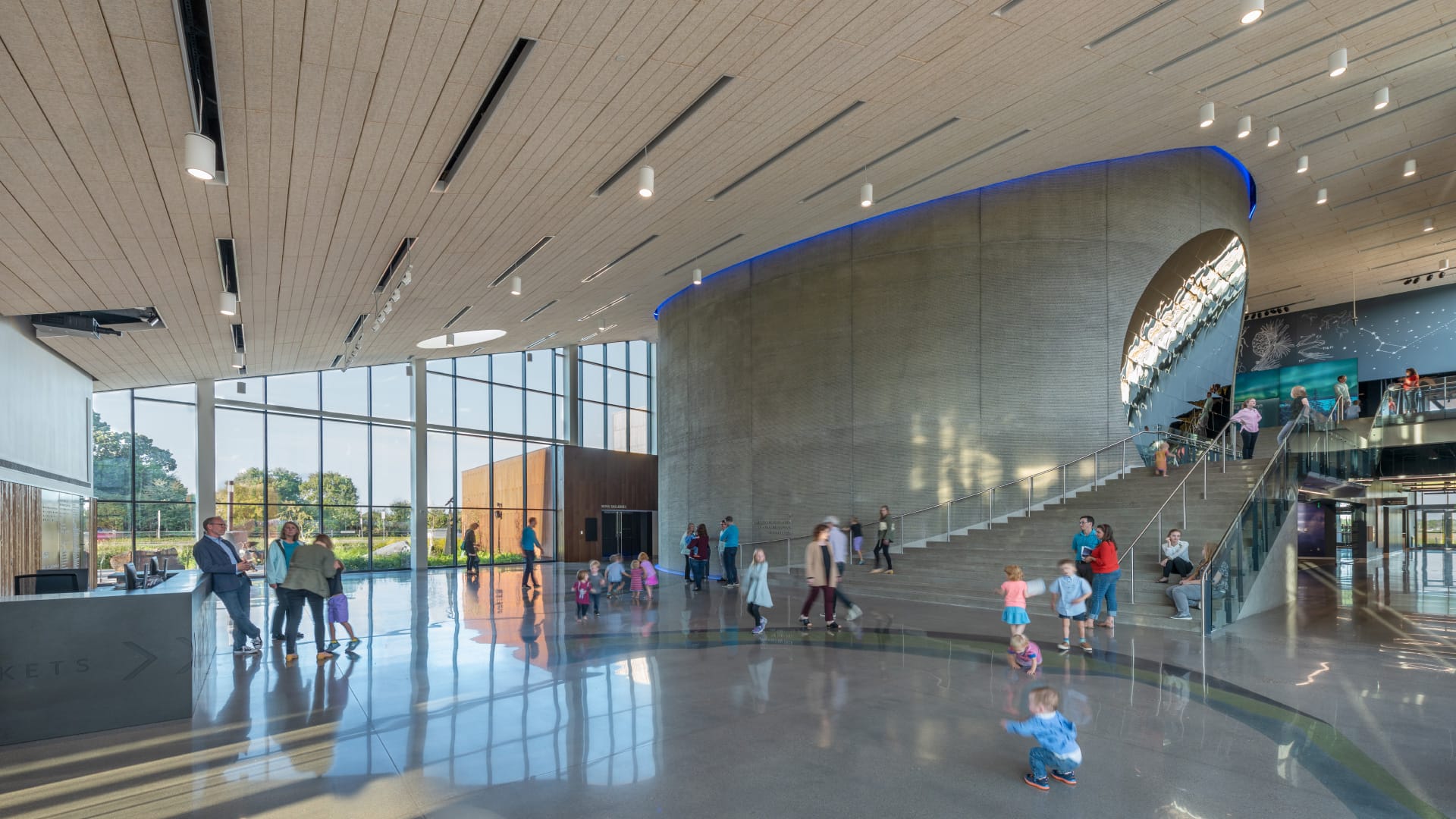
At 2088 Larpenteur Avenue West in St. Paul, Minnesota stands a building that bridges 150 years of scientific discovery with cutting-edge technology. The Bell Museum is Minnesota’s official natural history repository, holding over one million specimens that document the state’s ecological heritage and collections from around the world. What sets this institution apart is not just its vast scientific holdings, but how it transforms natural history into immersive experiences through art, innovation, and storytelling.
Living History Through Art and Science
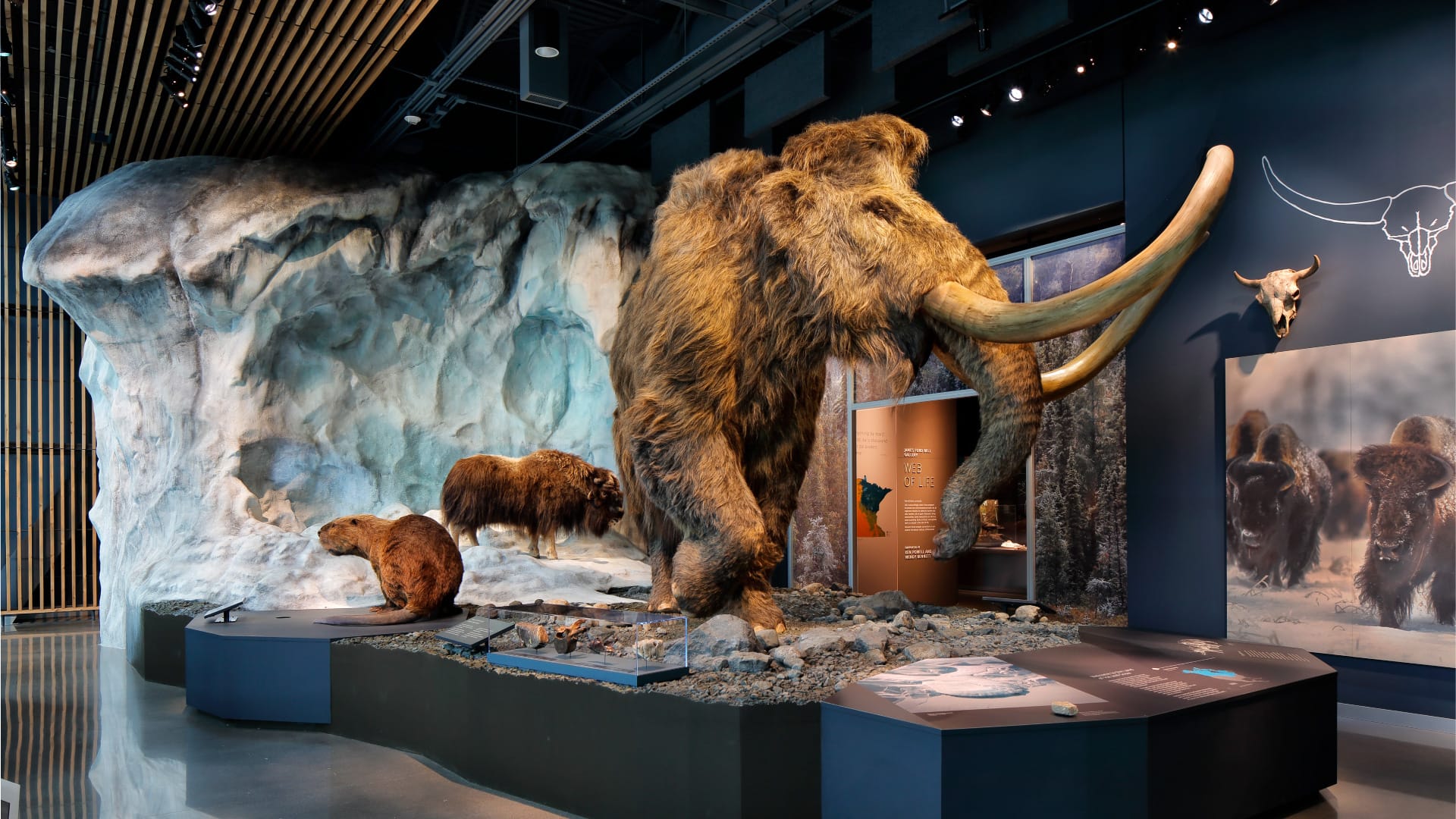
The Bell Museum’s wildlife dioramas have captivated visitors since their creation, offering something rare in natural history museums: the ability to step imaginatively into Minnesota’s diverse ecosystems without leaving the building. These installations combine taxidermied animals in authentic poses with hand-painted backdrops and carefully crafted foreground elements that recreate specific locations across the state. Each diorama represents an actual place where these species lived, giving visitors intimate views of their habitats.
The attention to detail extends beyond the animals. Artists studied the angle of light at different times of day, how vegetation grows in certain soil conditions, and the relationship between predator and prey in specific environments. The result transports viewers into moments frozen in time: a white-tailed deer pausing at a forest edge, wolves surveying snowy terrain, waterfowl settling into marsh grasses. These scenes have introduced generations to Minnesota’s natural diversity, creating an emotional connection to conservation that statistics alone cannot achieve.
The museum’s commitment to blending art with science permeates every gallery. Hand-painted field notes climb the walls, reproducing actual sketches from researchers and naturalists. An extensive collection of over 1,500 artworks and artifacts shows how creative interpretation enhances scientific understanding. Visitors are encouraged to sketch in the galleries, and the Collections Cove provides specimens for close study and artistic rendering. This emphasis on observation through art mirrors how naturalists have always worked. Drawing what they see sharpens perception and deepens knowledge.
The Touch & See Lab continues a tradition the Bell Museum pioneered: creating the world’s first natural history discovery room where hands-on interaction with specimens makes learning tactile and immediate. Rather than keeping collections behind glass, the museum offers opportunities to examine bones, feathers, shells, and preserved specimens up close. This direct engagement transforms abstract concepts into tangible understanding: feeling the weight of a skull, tracing the pattern on a bird’s wing, comparing the texture of different tree barks.
Beyond Earth’s Boundaries
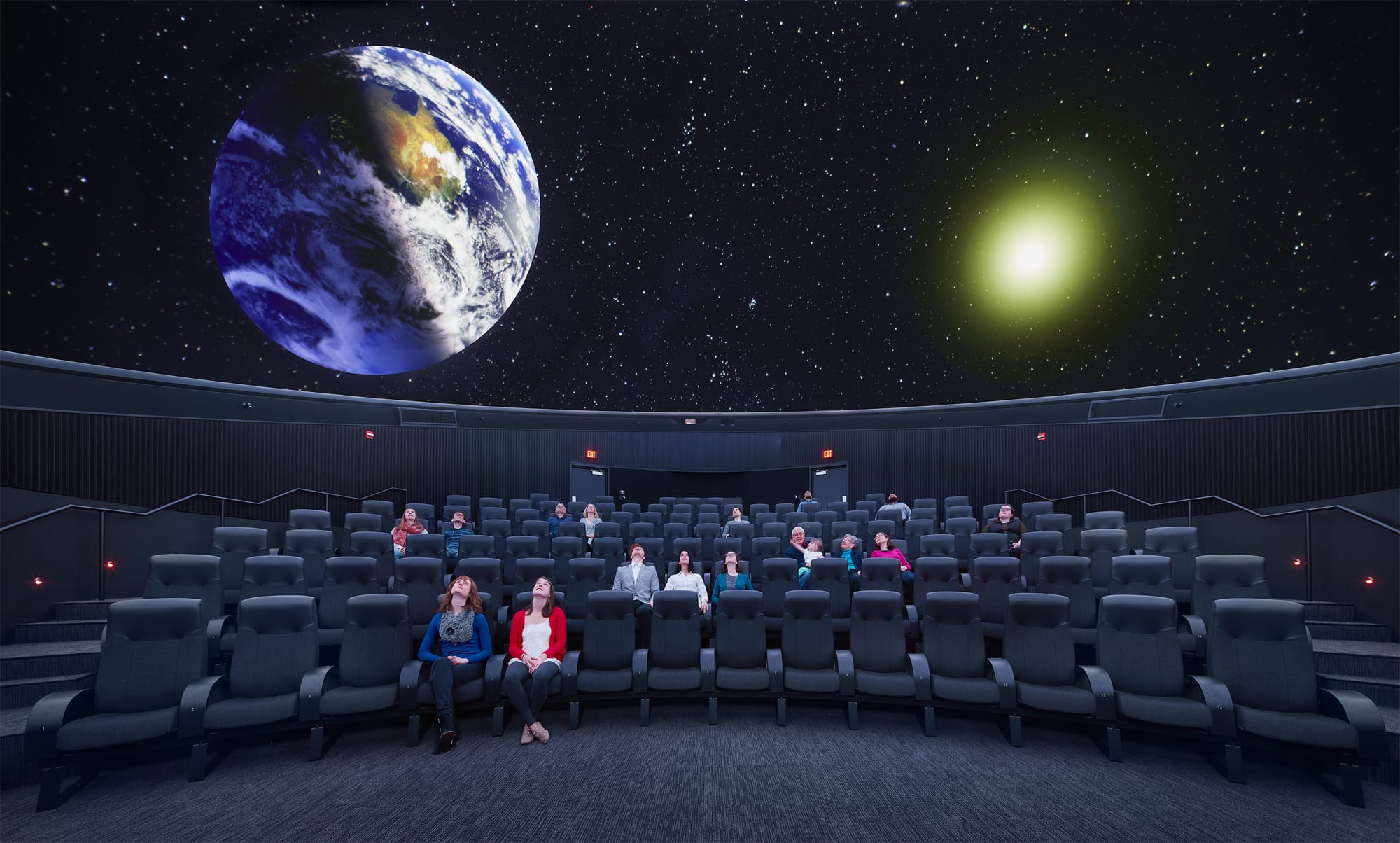
The Whitney and Elizabeth MacMillan Planetarium expands the museum’s scope from earthly ecosystems to cosmic scales. This digital facility projects visitors beyond Minnesota’s borders into deep space, traveling from nearby planets to distant galaxies billions of light-years away. Programs explore not just astronomical phenomena but also the connections between cosmic events and life on Earth: how stars forge the elements that make up our bodies, how the moon influences tides, how our planet’s position in space creates conditions for life.
The technology allows for journeys impossible in traditional planetariums. One moment you’re viewing Earth from space, watching weather systems swirl across continents. The next, you scale down to explore inside the human brain, seeing how neural networks process information. These visualizations make abstract scientific concepts concrete, showing rather than just explaining how systems work at both vast and microscopic scales.
The permanent galleries trace an arc from the universe’s beginning through the evolution of life on Earth, ending with Minnesota’s contemporary ecosystems and research at the University of Minnesota to address current environmental challenges. This narrative connects cosmic time scales to immediate concerns, helping visitors understand their place in both geological history and the ongoing story of life adapting to change.
A Living Laboratory
Outside, the Learning Landscape extends exhibits into the environment, featuring native plantings that support local wildlife, a green roof demonstrating sustainable architecture, and interpretive elements explaining Minnesota’s geology. This outdoor classroom operates during daylight hours Wednesday through Sunday, providing space for observation without the formality of indoor galleries. The landscape design teaches principles of ecology: how native plants support insects, which feed birds, which distribute seeds, creating interconnected systems.
The museum’s scientific collections remain active research tools rather than static archives. The herbarium preserves over 900,000 dried plant specimens representing botanical diversity across time and geography. Zoological collections encompass mollusks, crustaceans, fish, amphibians, reptiles, mammals, and birds, along with genetic material for ongoing studies. These holdings serve researchers studying everything from changes in species distributions to evolutionary relationships, with data shared through networks that make Minnesota’s natural history accessible to scientists worldwide.
As a Smithsonian Affiliate, the Bell Museum connects Minnesota to national resources while maintaining its local perspective. The facility opened in its current location in 2018, designed to integrate planetarium technology, collection access, and exhibition space in ways the previous building could not. The result tripled visitor capacity and created spaces that feel open and inviting rather than institutional.
The Bell Museum operates Wednesday through Sunday from 10 AM to 4 PM at 2088 Larpenteur Avenue West in St. Paul. Whether you are drawn by the chance to stand beneath a simulated Milky Way, examine specimens collected across Minnesota’s 87 counties, or spend time with the dioramas that have enchanted visitors for decades, the museum offers perspectives on nature that extend from the local to the cosmically vast. For more information visit www.bellmuseum.umn.edu.