Culturing a Sustainable Future at Shelburne Farms
Visit Vermont's Historic Working Farm for Award-Winning Cheese and Hands-On Agricultural Experiences
A 1,400-acre working farm in Vermont makes award-winning cheddar, teaches thousands of educators about sustainability, and preserves 19th-century architecture. Shelburne Farms is both a National Historic Landmark and an education nonprofit. Visitors can witness sustainable agriculture in action while exploring the transformed estate of one of America’s wealthiest families.
From Vanderbilt Fortune to Educational Mission
Lila Vanderbilt Webb inherited vast wealth when her father, William H. Vanderbilt, died in 1885 as one of the world’s richest men. She and her husband William Seward Webb used that fortune to assemble nearly 4,000 acres along Lake Champlain’s Shelburne Point, purchasing 33 farms between the 1880s and early 1900s. The consolidation displaced families who had farmed this land for generations, including the Tracys, Harts, Saxtons, and Comstocks. Some sought prosperity through the sale, while others felt pressured to sell.
The Webbs transformed these small farms into a showcase agricultural estate on a much larger scale. They invested in modern equipment and farming methods, running horse-breeding, dairy, sheep and pig operations, poultry houses, crop production, and greenhouse gardens that far exceeded what the original farmers could afford. The property also served as an entertainment venue for wealthy guests, with roads for scenic carriage rides, a private golf course, and elaborate flower gardens tended by Lila.
The estate’s glory days were short-lived. As the 20th century progressed, maintaining these labor-intensive operations became financially unsustainable, especially after Lila’s death in 1936. Operations scaled back dramatically. Financial pressures and inheritance divisions split off parcels of land and the massive buildings deteriorated without enough resources for upkeep.
The core property survived through family commitment to smaller-scale dairy and sheep farming, but by 1972, the fourth-generation Webb siblings faced a decision. Rather than sell to developers, they established Shelburne Farms as an education nonprofit, transforming their ancestors’ agricultural showcase into a teaching farm focused on reconnecting people with where food comes from and how land can be managed sustainably. When the property was bequeathed to the nonprofit in 1986, it came with a mission: use this land to teach sustainability.
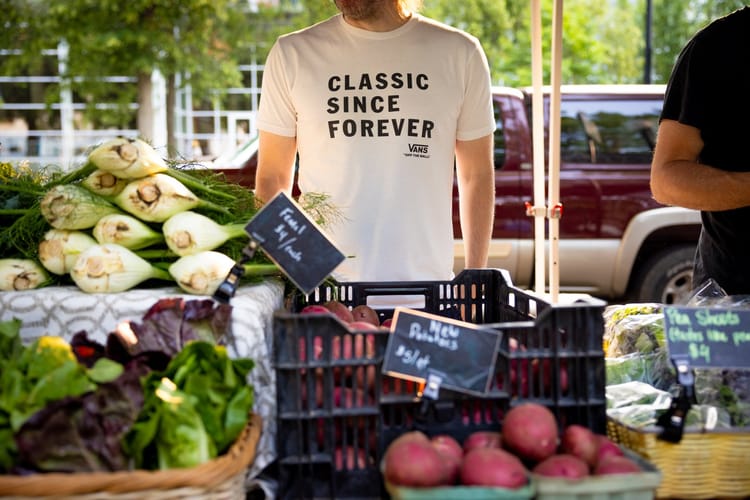
The transformation extended beyond education programs. The nonprofit launched initiatives supporting local food systems, including what became the Burlington Farmers Market and community garden plots throughout the area. The farm hosted various cooperative ventures, from a canning kitchen to a wool spinning operation, and continues today to house a working bakery and woodshop. Donor support has enabled the restoration of historic buildings and the expansion of education programs that now reach globally through the Institute for Sustainable Schools.
From Milk to Cheddar
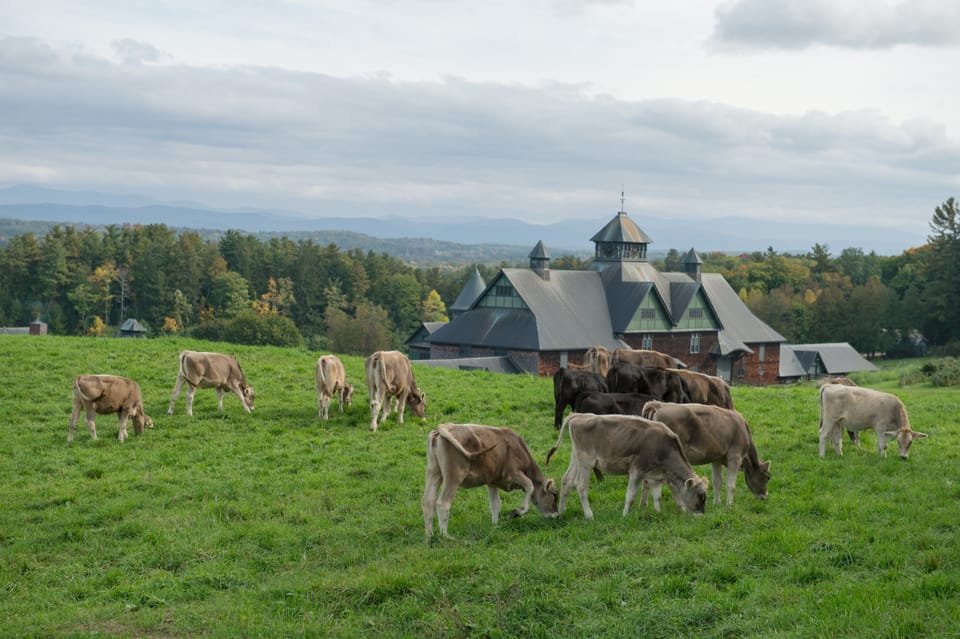
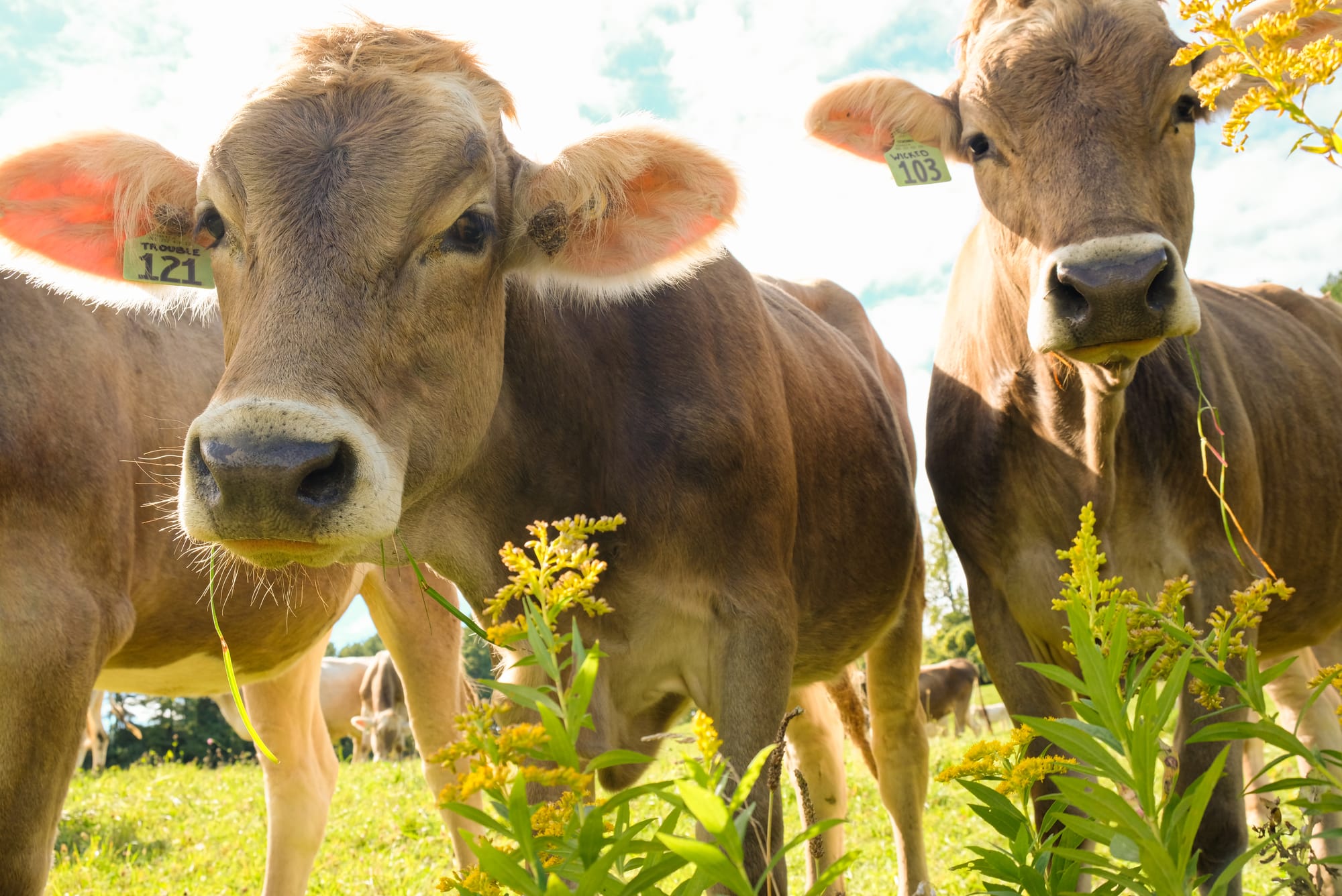
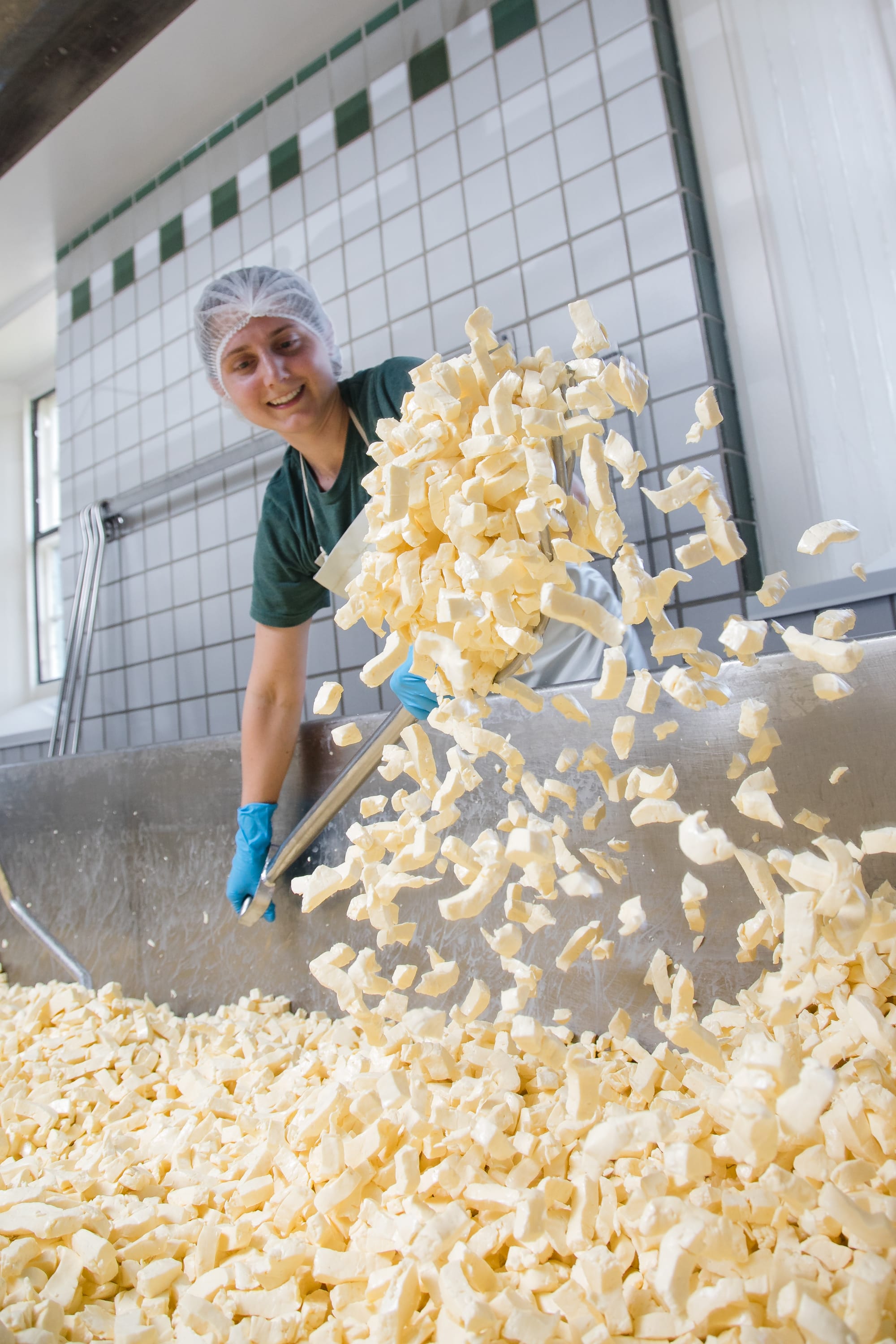
Nearly every day since 1980, cheesemakers at Shelburne Farms have turned fresh milk into raw milk cheddar. The recipe contains only salt, rennet, starter culture, and milk from the farm’s pasture-raised Brown Swiss herd. The 110 milking cows each produce about 50 pounds of milk per day during their 10-month lactation period, grazing on pastures managed without chemical herbicides, pesticides, or fertilizers.
The cheesemaking process requires constant attention to detail. As the cows’ diet shifts from spring grass to summer pastures to fall forage, cheesemakers monitor salt levels, moisture, and acidity to maintain consistent flavor while ensuring each batch reflects the season. The farm produces about 170,000 pounds of cheddar annually, available for purchase at the Farm Store alongside maple syrup tapped from nearly 2,400 trees on the property and organic vegetables from the seven-acre market garden.
Historic Buildings Worth the Visit
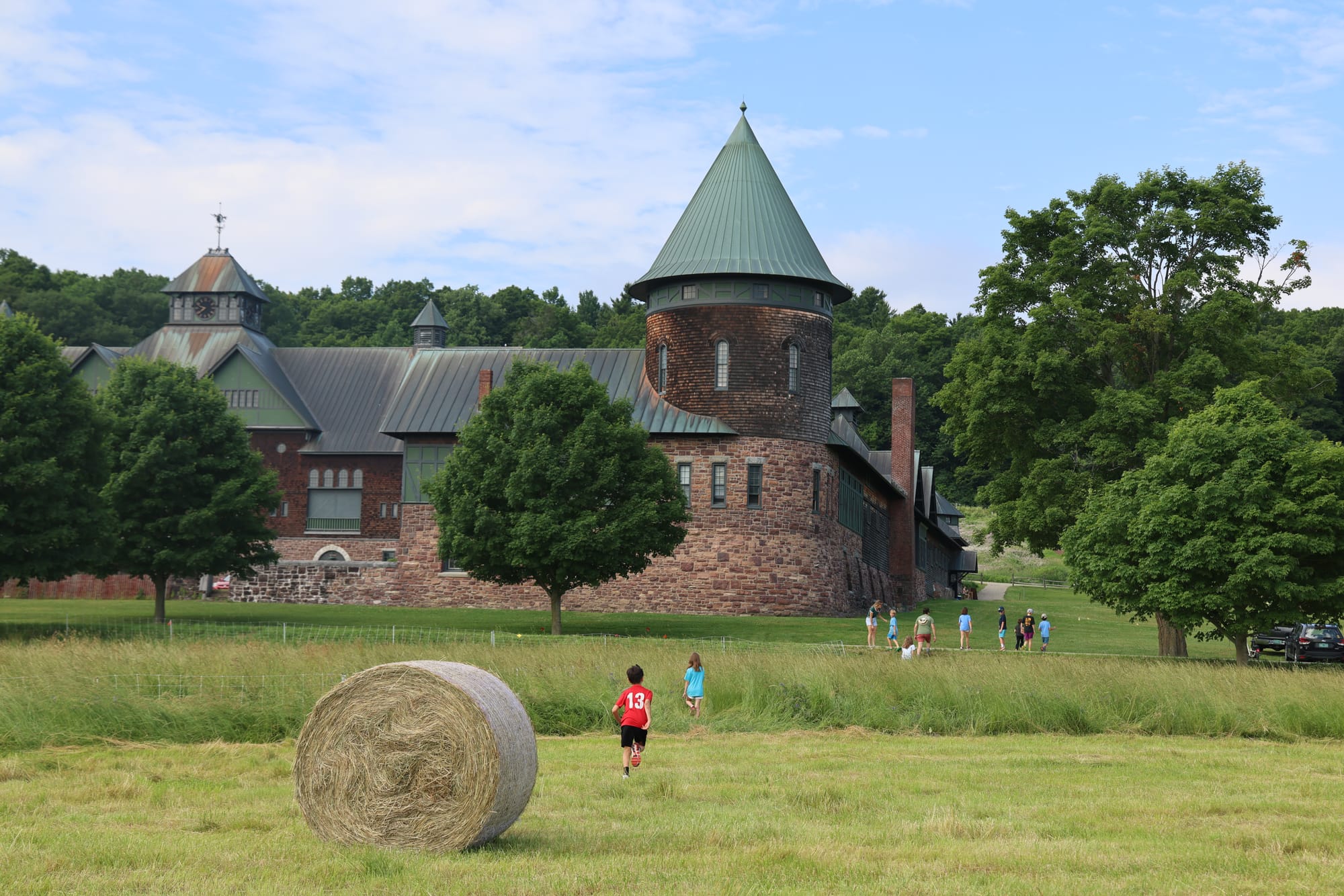
Four major structures anchor the campus, each telling part of the estate’s story. In addition to the Inn, which now offers seasonal overnight stays, three massive barns showcase the Webbs’ agricultural ambitions. The Farm Barn, completed in 1890, rises five stories with a courtyard spanning nearly two acres. Architect Robert H. Robertson designed it to house offices, workshops, and stables for the estate’s operations. After falling into disrepair, a $3 million renovation in the early 1990s transformed it into the nonprofit’s education center and administrative hub, where school groups and visitors now learn about sustainable agriculture in a building that once stored equipment for the Webbs’ farming empire.
Robertson’s last major project for the property was the Coach Barn, finished in 1902. It originally stabled carriage horses and stored sleighs for the Webb family. Like many of the estate’s buildings, it served various purposes over the decades as the farm’s operations changed. A 2024-2025 rehabilitation added geothermal heating and cooling while preserving the historic structure, and it now hosts the Institute for Sustainable Schools and community events.
Most impressive is the Breeding Barn, built between 1889 and 1891 to showcase W. Seward Webb’s Hackney horse breeding operation. Its 375-foot interior exercise ring made it America’s largest open-span wooden structure until 1939. The grand ambition ultimately failed, as the breeding program never achieved commercial success. The barn then spent decades storing hay and sheltering cattle before falling into severe disrepair. It is now being stabilized to become a future gathering hall for educational and agricultural programs.
The Visitor Experience
The Children’s Farm, accessible by walking trail or seasonal tractor shuttle, offers hands-on activities that connect visitors to food production. Guests can hand-milk a Brown Swiss cow at 10:30 AM and 2:00 PM daily, spin sheep’s wool into yarn bracelets, groom Angora rabbits and horses, bottle-feed calves, and visit education sheep in their pasture. The farm is home to sheep, cows, goats, rabbits, horses, pigs, and donkeys.
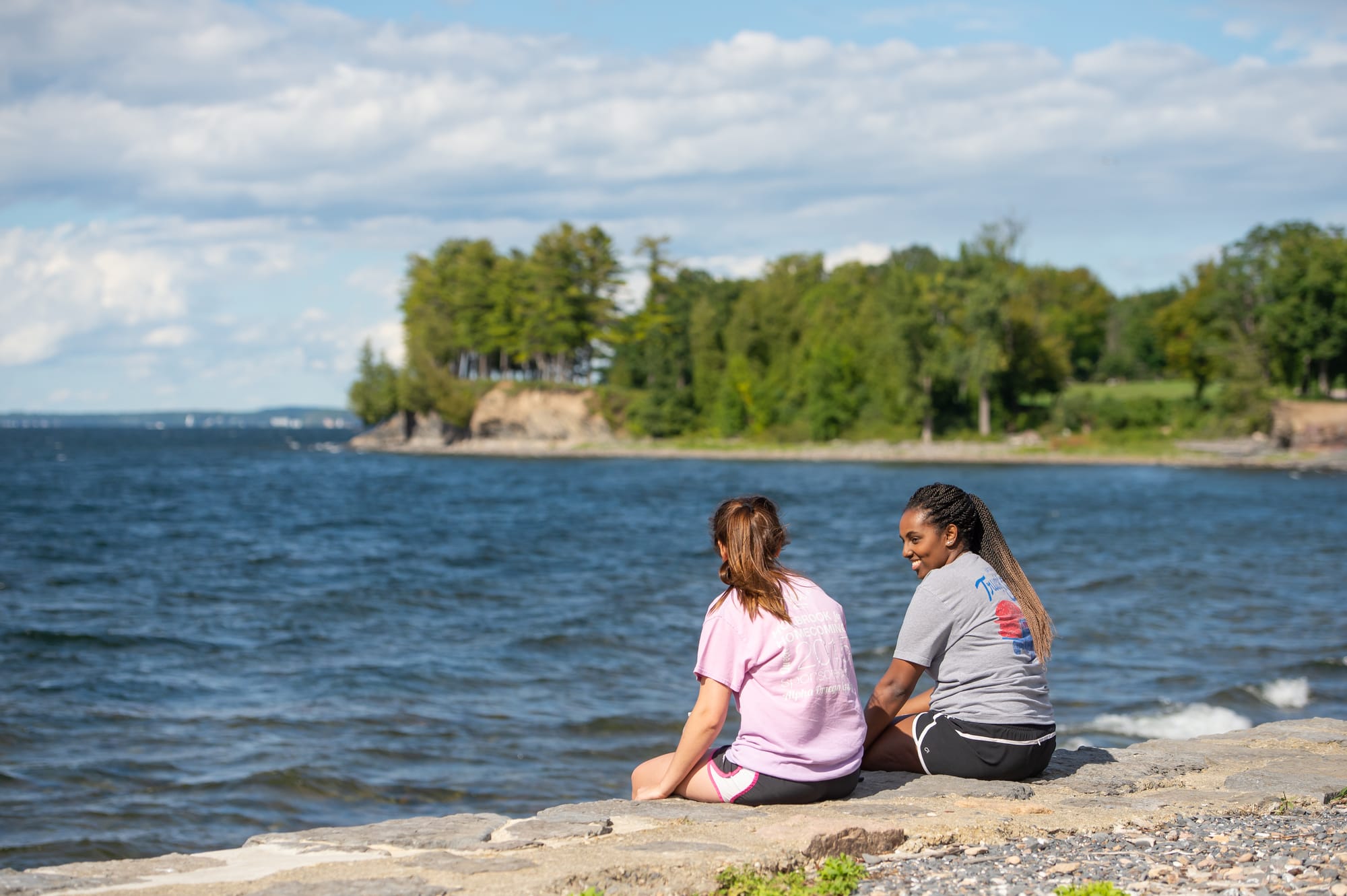
More than 10 miles of walking trails wind through the property, offering views of Lake Champlain and quiet spaces for exploration. Popular destinations include the Farm Barn and Lone Tree Hill. The Inn Flower Gardens and lakeshore require a longer four-mile out-and-back walk from the Welcome Center. Trails close at sunset, and bikes, drones, and pets (except trained service dogs) are not permitted.
The Farm Store and Welcome Center, originally the estate’s North Gatehouse, stocks products from Shelburne Farms and other Vermont producers. Beyond the farmstead cheddar and maple syrup, visitors can find organic vegetables and fruits, local meats, and Vermont-made goods.
Stay and Dine on the Farm
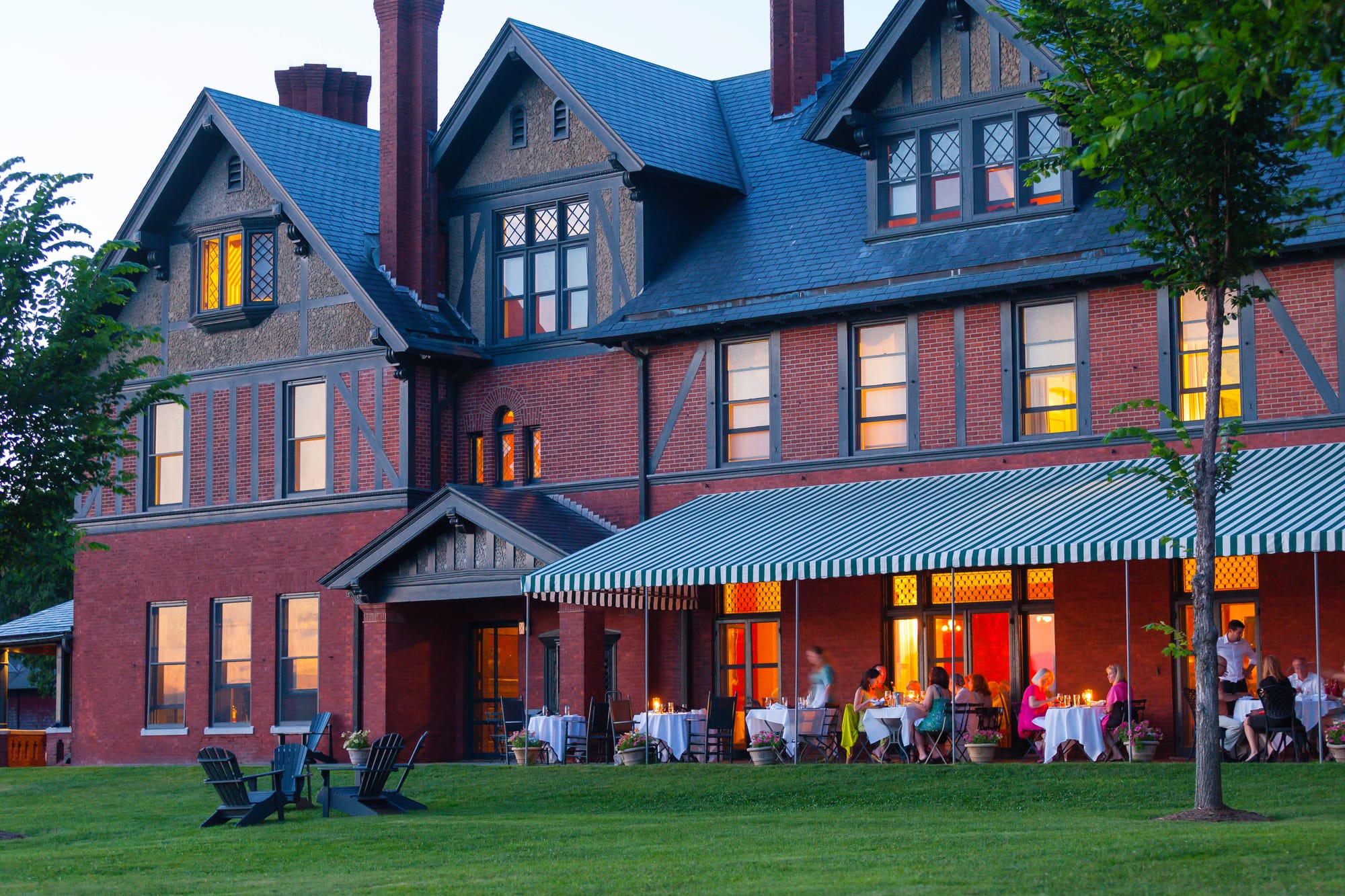
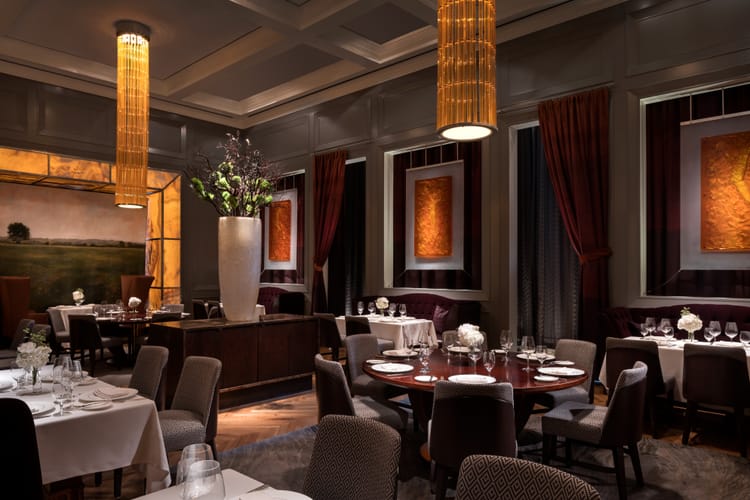
Shelburne Farms Inn operates seasonally from mid-May through mid-October, offering 24 guest rooms and several guest houses in the transformed 19th-century estate home. The farm-to-table restaurant serves meals prepared with Shelburne Farms cheese, meats, maple syrup, and organic produce, along with other local ingredients. Dining reservations for non-overnight guests open 30 days in advance. Overnight guests can book meals when making their room reservations. Proceeds from overnight stays and dining support the nonprofit’s education programs, which serve about 1,500 educators annually who carry these sustainability lessons back to their classrooms and communities.
Shelburne Farms is located at 1611 Harbor Road in Shelburne, Vermont. For more information and reservations, visit www.shelburnefarms.org or call 802-985-8498. The Farm Store maintains winter hours (10:00 AM - 5:30 PM daily, November through April, closed Thanksgiving and Christmas) and summer hours (9:30 AM - 5:30 PM daily through October). The Children’s Farm closes seasonally from mid-October through early May.