Fall in Love with Grand Teton National Park
Experience Wyoming's Most Spectacular Fall Foliage and Wildlife at Grand Teton National Park
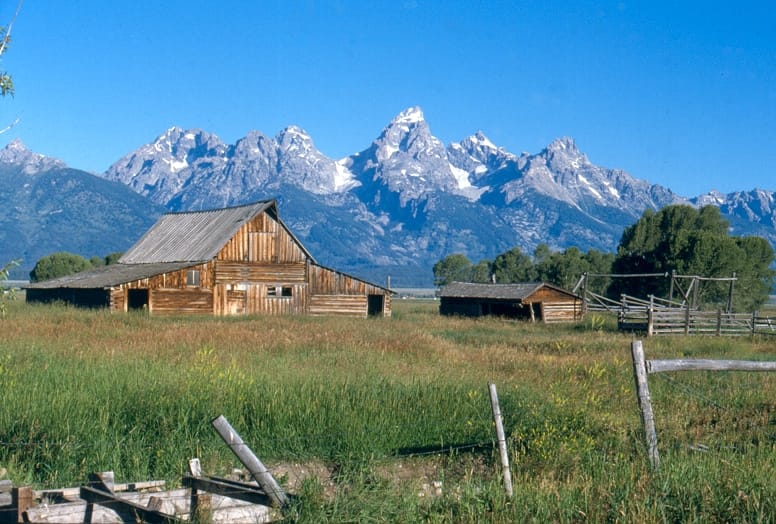
When autumn arrives in Wyoming, Grand Teton National Park becomes a spectacular showcase of nature's artistry. The towering Teton Range provides a dramatic backdrop as forests shift from summer green to brilliant golds, oranges, and reds. Cooler temperatures make outdoor exploration comfortable. Active wildlife and stunning foliage create unforgettable moments for visitors who venture into this alpine wonderland.
For more than 11,000 years, communities have called the valley known as Jackson Hole home, and the connection between people and these mountains runs deep. Today's visitors continue to discover why these peaks inspire such devotion, especially during autumn when the landscape reveals its most vibrant personality.
Nature's Color Palette
Understanding the science behind fall colors enhances appreciation for what unfolds across the park each September and October. Throughout spring and summer, chlorophyll converts sunlight into energy for plants, maintaining the familiar green appearance of leaves. As days shorten and temperatures drop, food production stops. Chlorophyll breaks down, revealing pigments that were always present but hidden beneath the green: carotenoids produce yellows and oranges, and anthocyanins create reds from trapped sugars.
Weather patterns influence the intensity and duration of autumn displays. The most spectacular colors usually follow wet growing seasons, dry sunny fall days, and cool nights above freezing. These conditions create the perfect chemistry for nature's annual exhibition.
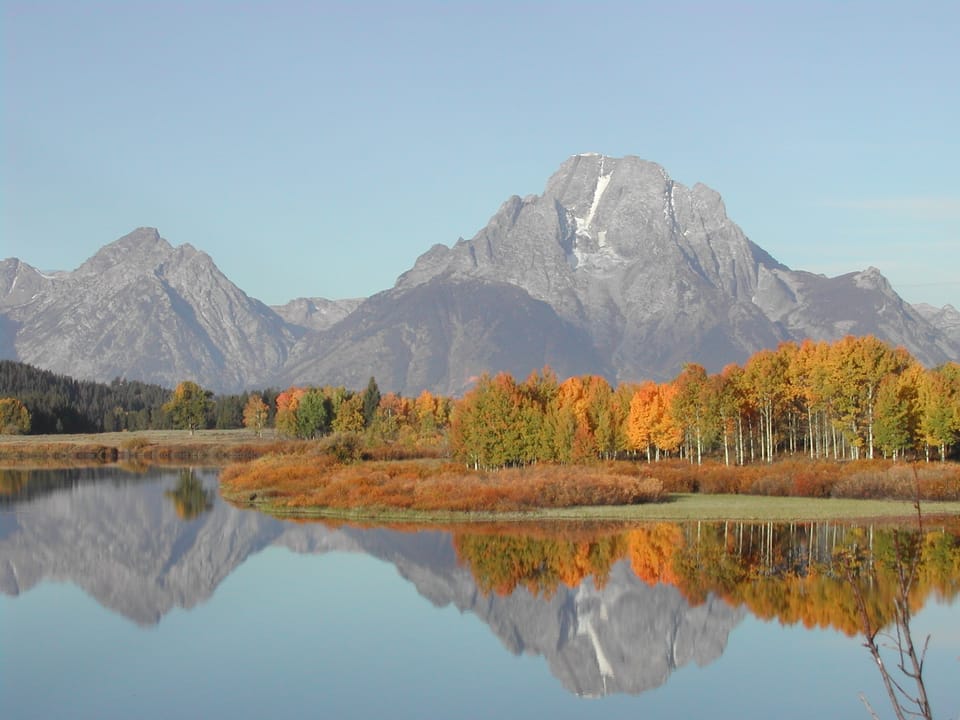
Quaking Aspen dominate the fall landscape throughout Grand Teton, mostly displaying rich yellow hues, though occasional orange and red specimens appear. These trees earn their name from the trembling motion of their leaves in the slightest breeze, creating a shimmering effect when sunlight catches thousands of golden leaves. Their white bark and habit of growing in large stands make them easy to identify. Healthy groves produce the most vibrant colors and retain foliage longer into the season. Prime viewing locations include Willow Flats Overlook, Snake River Overlook, Oxbow Bend, and Two Ocean Lake.
Narrowleaf Cottonwood trees become bright yellow beacons along waterways each fall. These riparian specialists grow only near streams and rivers, where their roots access consistent moisture. As leaves change, the trees adapt by moving water from cells to intercellular spaces where it can freeze without damage. Increased sugar concentrations inside cells provide natural antifreeze protection. Look for cottonwoods along the Gros Ventre River, Cottonwood Creek, and at Schwabacher's Landing.
Black Hawthorn adds dramatic red accents to the autumn palette. Growing as large shrubs or small trees, these plants have distinctive thorns and fan-shaped leaves that turn from green to crimson. In summer, they produce fruit that attracts birds and other wildlife, making them excellent spots for animal observation. Find black hawthorn along the Moose-Wilson Road and at Laurance S. Rockefeller Preserve, usually at lower elevations in moist areas with full sun.
Willow bushes create dense thickets in marshy areas throughout the park, serving as crucial habitat and food for wildlife. Elk and moose depend on willows, eating leaves in summer and stems in winter. From elevated positions, willow thickets in full autumn color look like bright carpets of yellow and orange across valley floors. The best views are from Blacktail Ponds Overlook, Willow Flats Overlook, and Christian Ponds.
Wildlife Encounters
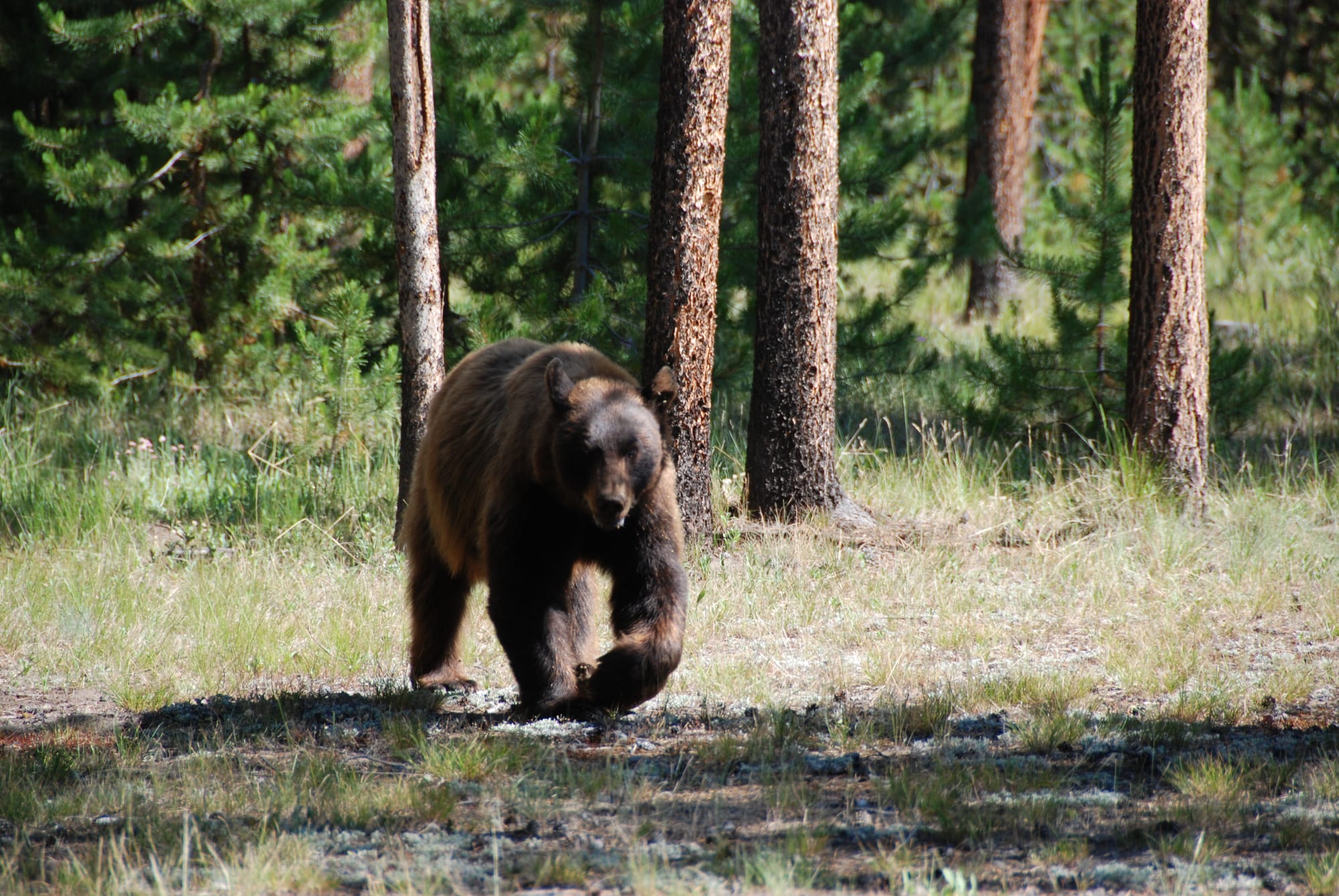
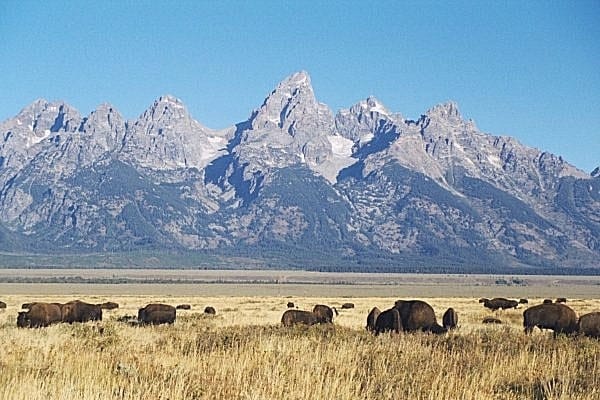
Autumn brings heightened animal activity as every species prepares for winter. Deer, elk, and moose enter their annual breeding season, with males pursuing females and sometimes engaging in dramatic displays of dominance. Bull elk bugle across meadows and valleys, their haunting calls echoing off mountain walls. Moose, usually solitary, become more visible as males search for mates.
Bears face the most critical autumn challenge. With only weeks before hibernation, they enter hyperphagia, an intense feeding period where they consume every available calorie. Berry patches get special attention, but bears will investigate any potential food source. This urgency makes them less predictable and more dangerous to humans who come too close.
Trail safety requires constant awareness. Make noise while hiking to avoid surprising animals. Carry bear spray and know how to use it. Never approach wildlife, no matter how docile they appear. Maintain distance: at least 100 yards from bears and wolves, 25 yards from all other animals. If an animal changes its behavior because of your presence, you are too close.
Trails for Every Ambition
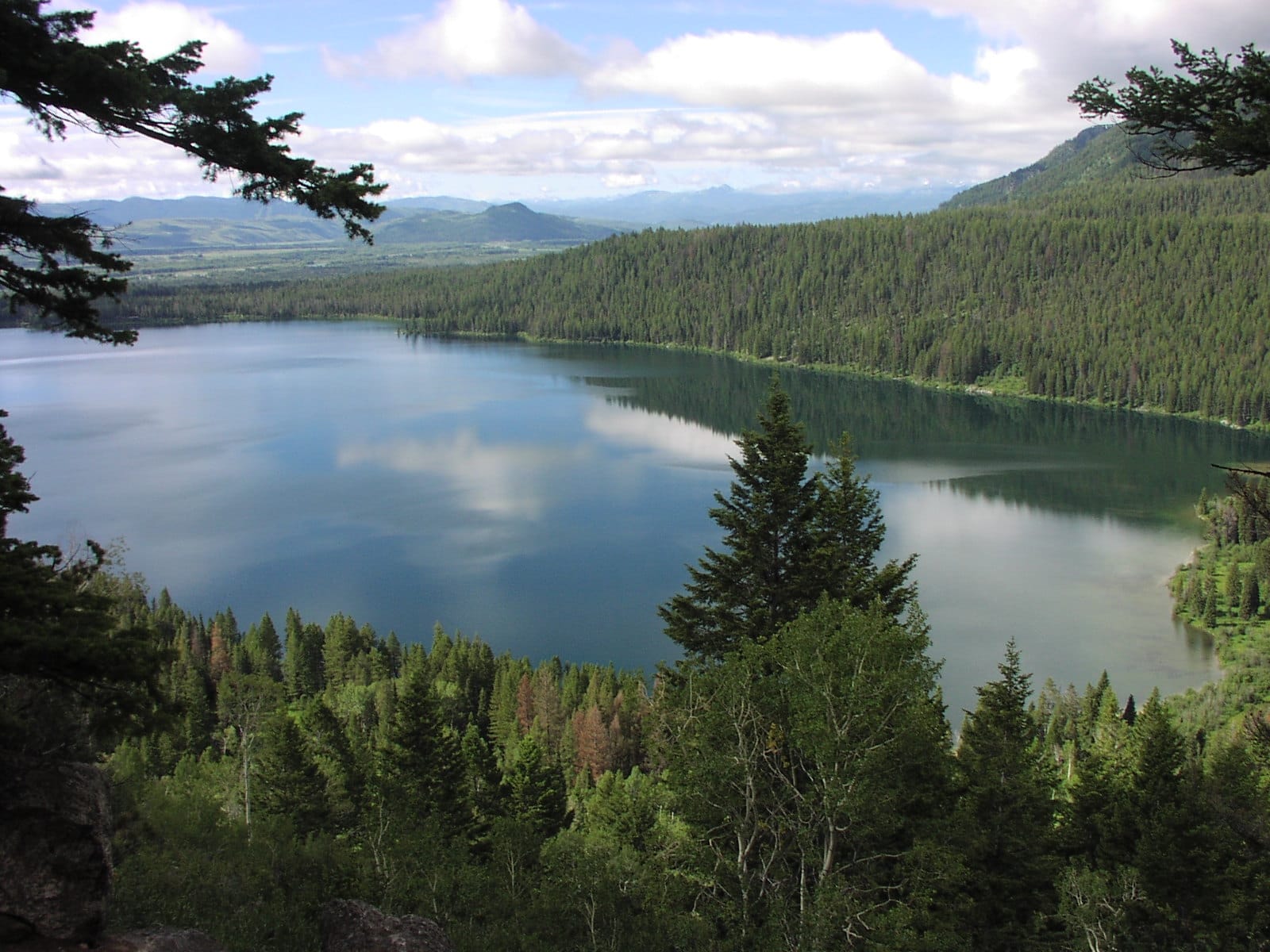
Grand Teton offers exceptional hiking opportunities, from easy strolls to challenging full-day adventures. Fall conditions make many trails especially rewarding, though higher elevations may get early snow that limits access.
The Phelps Lake Overlook Trail is an ideal introduction for those seeking modest exercise with substantial rewards. This easy out-and-back route takes one to two hours, beginning at Death Canyon Trailhead and traveling through forest before reaching an overlook high above Phelps Lake. The views include both the lake and surrounding valley. Hikers who want to reach the lakeshore can continue another mile downhill.
Polecat Creek Loop is another easy option near Flagg Ranch. This one to two-hour loop winds through forests, meadows, and wetlands while providing views of the John D. Rockefeller, Jr. Memorial Parkway. The varied terrain attracts many bird species and other wildlife.
For those seeking longer but gentle hiking, Hermitage Point offers four to seven hours of exploration starting from Colter Bay. The trail first follows the route toward Heron Pond before continuing to Hermitage Point instead of looping back to Swan Lake. Rolling terrain passes through forests, meadows, and wetlands before reaching the point, where hikers enjoy views of Jackson Lake with the Teton Range beyond. Clear signs mark the return loop to Colter Bay.
Emma Matilda Lake Loop is a 10.7-mile challenge requiring five to seven hours. Starting from Two Ocean Lake, this route circles the lakeshore while showcasing Teton Range vistas. Early and mid-summer visitors see abundant wildflowers, though fall colors provide equally stunning scenery. The marshy landscape supports many mosquitoes, making insect repellent essential.
The Valley Trail requires serious commitment with its strenuous seven to nine-hour journey connecting Teton Village to the park's valley lakes through alpine forests. Starting at the Teton Village base area, hikers first ascend via Jackson Hole Mountain Resort trails before reaching the Valley Trail. The route traverses rolling terrain to Phelps Lake Overlook, where hikers can return the same way or continue for further exploration.
Scenic Drives
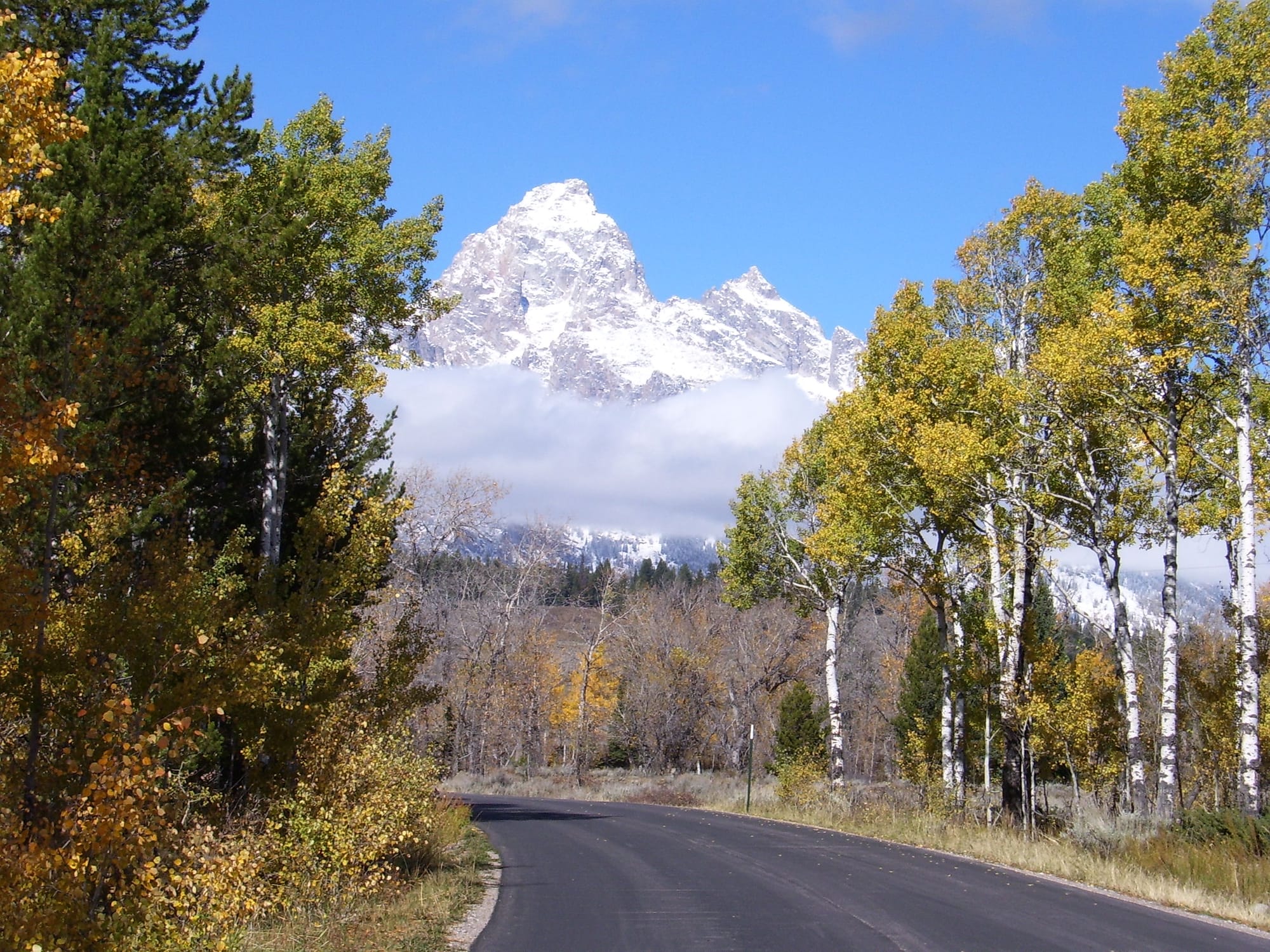
Not every Grand Teton experience requires hiking boots. Several roads wind through the park, offering extraordinary views from your vehicle and many opportunities to stop, explore, and photograph.
Teton Park Road is the park's main artery, running along the Teton Range base between Moose and Jackson Lake Junction. Multiple pullouts and overlooks punctuate the route, each offering different perspectives on the dramatic peaks. The road also provides access to trailheads including Taggart Lake, Lupine Meadows, Jenny Lake, String and Leigh Lakes, and Signal Mountain. Plan 30 to 60 minutes for the drive, though stops will extend that.
Jenny Lake Scenic Drive follows the lake's eastern shore along a one-way route with spectacular mountain views. Access begins at North Jenny Lake Junction: drive west toward the mountains, then turn left onto the scenic road. The route returns to Teton Park Road just north of South Jenny Lake. Allow 15 to 30 minutes, though frequent stops may double that time.
Signal Mountain Summit Road climbs 800 feet along a narrow, winding route to panoramic vistas of the Teton Range, Jackson Hole, and Jackson Lake. Two overlooks provide different perspectives on the valley below. Turn off Teton Park Road at the Signal Mountain Summit Road junction. Allow 30 to 60 minutes for the round trip.
Moose-Wilson Road connects its namesake towns, winding through forests and marshes that harbor diverse wildlife. This corridor provides access to Laurance S. Rockefeller Preserve and Granite and Death Canyon Trailheads. The road's narrow width and frequent curves require careful attention, and the excellent wildlife habitat means animals often appear near or on the pavement. Allow 20 to 60 minutes depending on stops and wildlife sightings.
No matter which route you choose, safe driving is essential. Large animals including elk, bison, mule deer, pronghorn, and moose often cross roads, especially during dawn, dusk, and nighttime. The speed limit on US Highway 26/89/191 drops to 45 mph between 30 minutes after sunset and 30 minutes before sunrise because of animal activity. Collisions with large animals at highway speeds have caused fatal accidents. Always use designated pullouts for viewing wildlife or taking photographs. Never stop in traffic lanes.
Planning Your Visit
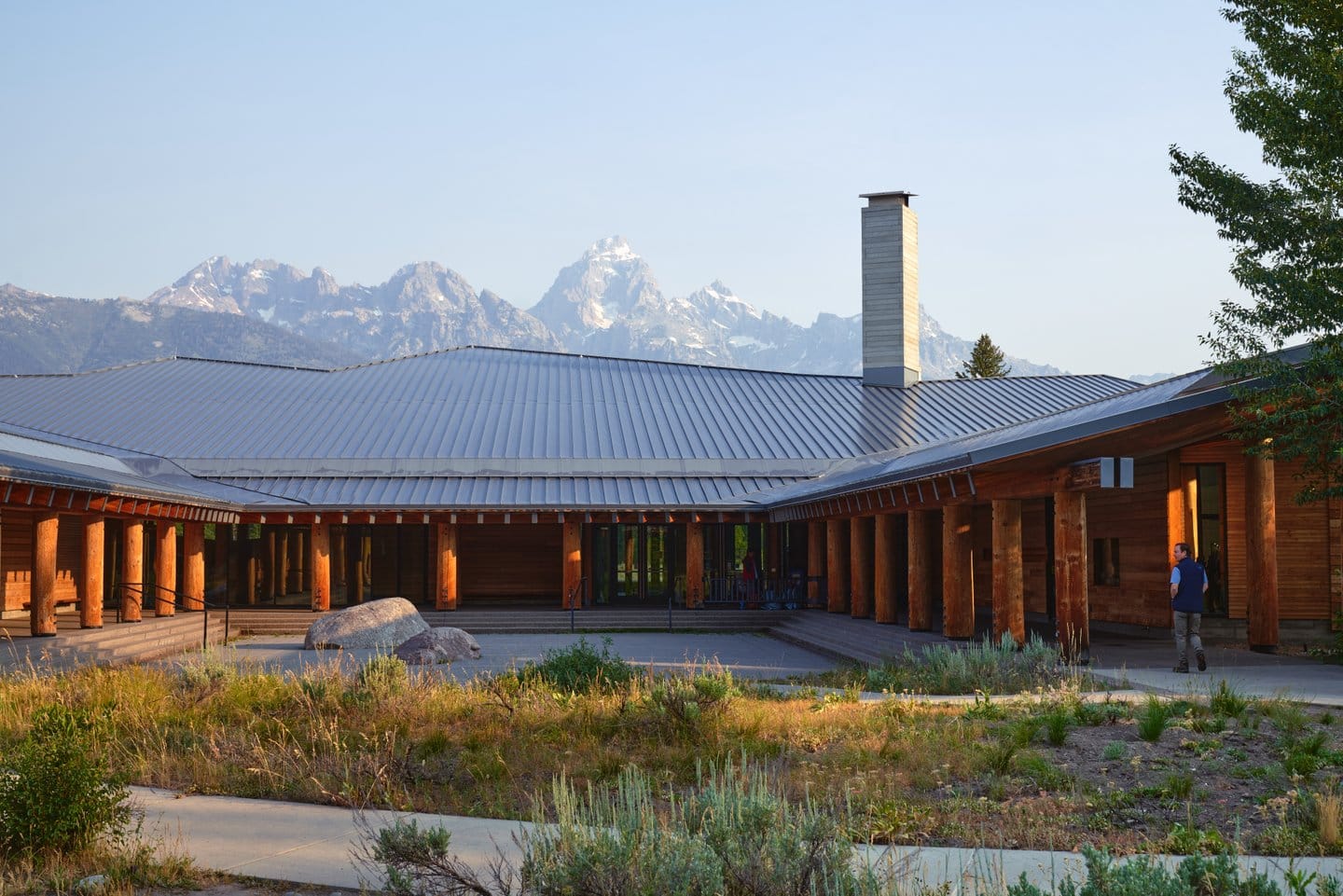
Several visitor centers throughout the park offer trip planning assistance, permits, exhibits, and ranger programs. The Craig Thomas Discovery & Visitor Center showcases the Teton Range through exhibits exploring the area's natural and human history, with emphasis on Indigenous tribes, mountaineering, and conservation. The Laurance S. Rockefeller Preserve Center presents the conservation legacy of its namesake through multi-sensory exhibits and provides access to Phelps Lake trails. Jenny Lake Visitor Center occupies what was originally built as an artist's studio in 1921 and now highlights connections between art and inspiration in Grand Teton.
For those planning backcountry adventures, Jenny Lake Ranger Station issues permits for climbing, mountaineering, and Garnet Canyon camping. Climbing rangers provide route conditions, safety information, and perform mountain rescues when necessary. Colter Bay Visitor Center features the Indigenous Arts and Cultural Demonstration Program where visitors meet artists and view exhibits celebrating native cultures.
Mountain weather changes rapidly, especially at higher elevations where snow storms occur throughout fall. Check forecasts before departing and prepare for conditions worse than predicted. Pack extra layers, enough food and water, and inform someone of your plans before entering backcountry areas.
Grand Teton National Park in autumn offers experiences unavailable any other season. The combination of spectacular foliage, active wildlife, comfortable temperatures, and relative solitude compared to summer crowds creates ideal conditions for exploration. Whether hiking forest trails, driving scenic routes, or sitting quietly to observe nature's rhythms, fall visitors discover why this landscape has captivated people for millennia.
For comprehensive trail information, current conditions, and detailed planning resources, visit www.nps.gov.