The Quincy-ssential Boston Experience: Food, History and Fun at Quincy Market
Explore America's Oldest Food Hall on Boston's Freedom Trail
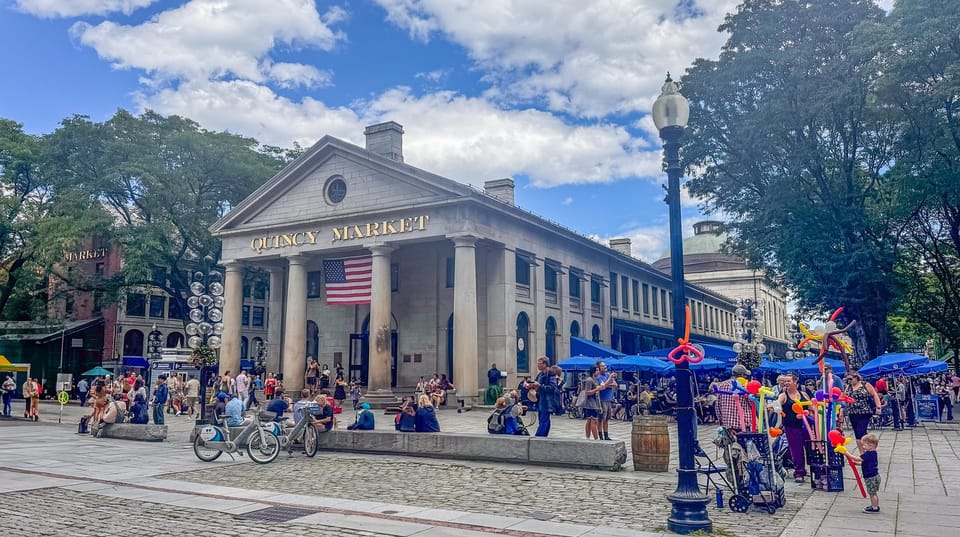
In the heart of Boston's historic downtown, where cobblestone walkways meet Greek Revival architecture, Quincy Market stands as a testament to American ingenuity and preservation. This isn't just another tourist attraction; it's the country's oldest and largest food hall, a National Historic Landmark, and one of the top ten destinations in the United States. For nearly two centuries, this vibrant marketplace has brought locals and visitors together to savor exceptional food, enjoy street entertainment, and walk through living history.
From Crisis to Landmark
Boston's transformation into an official city in 1822 brought immediate challenges. The bustling crowds at Faneuil Hall, built in 1742 by merchant Peter Faneuil, had outgrown the building. Mayor Josiah Quincy led the city's first major civic project: an expanded marketplace that would bear his name.
Architect Alexander Parris designed an ambitious structure between 1824 and 1826, creating a Greek Revival masterpiece. The central building features impressive columns, dignified pediments, and a copper dome that still commands attention. Open-air walkways flank the main structure, while granite-paved plazas with benches and well-placed lighting create an inviting atmosphere. The North and South Market buildings, completed in 1827, extended the complex and provided more vendor space while maintaining architectural harmony.
The marketplace thrived throughout the 1800s as a commercial center where fishermen, merchants, and produce vendors conducted business alongside political discourse and community gatherings. Faneuil Hall earned its designation as "The Cradle of Liberty" by hosting the nation's most influential orators and serving as a platform for revolutionary ideas. Yet it's important to acknowledge that Peter Faneuil's considerable wealth, which funded the original hall, derived from the slave trade—a complex legacy that forms part of Boston's honest reckoning with its past.
By the mid-twentieth century, economic shifts and neglect had taken their toll. The once-thriving marketplace deteriorated, with many buildings empty and slated for demolition. Preservationists recognized the site's architectural and cultural significance, leading to a groundbreaking restoration effort by the Boston Redevelopment Authority in 1966. Benjamin Thompson & Associates and Pressley Associates led the project, pioneering adaptive reuse: transforming historic structures into contemporary spaces without sacrificing their character.
The restoration, completed in the 1980s, did more than save buildings; it created the original "Festival Marketplace" concept that revitalized the area. This innovative approach to urban renewal became a model across the country, proving that historic preservation and modern commerce could coexist.
A Culinary Destination
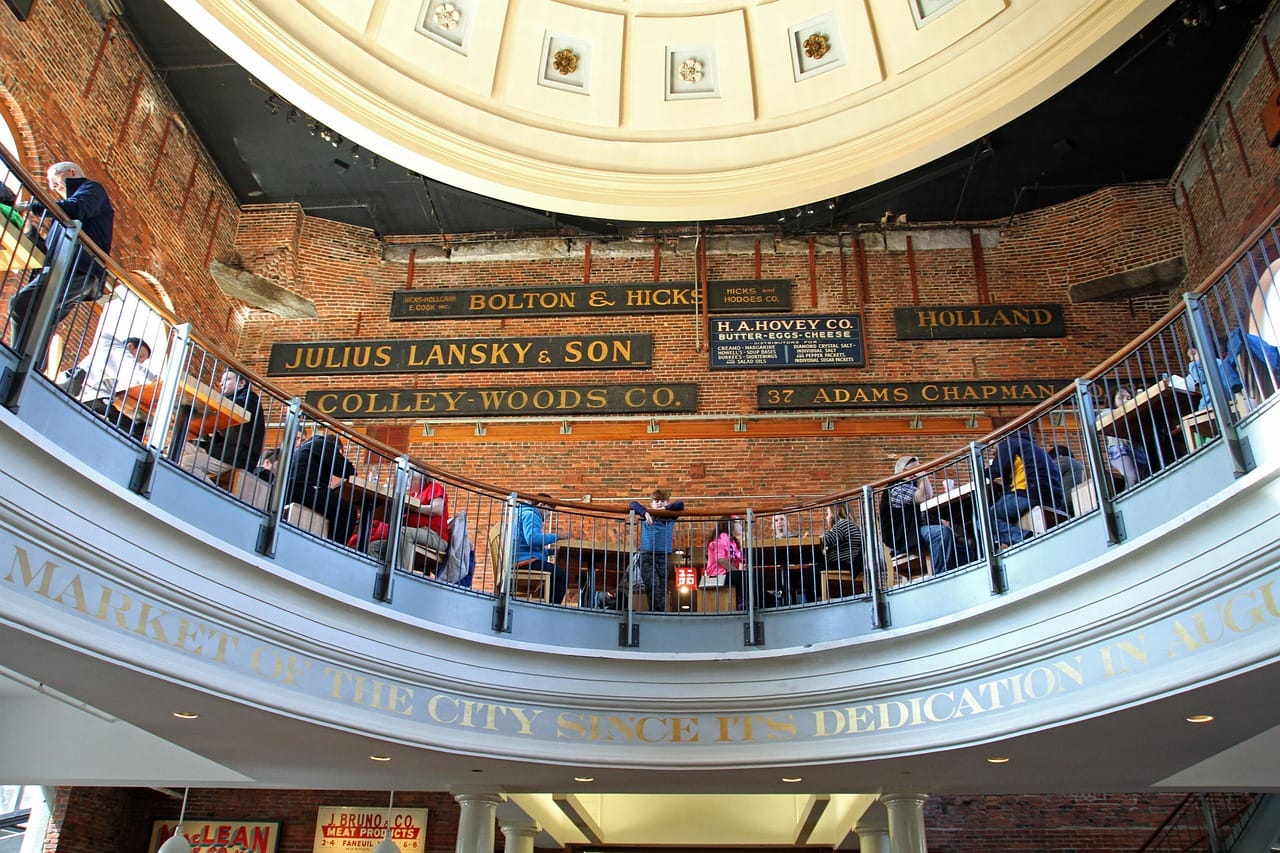
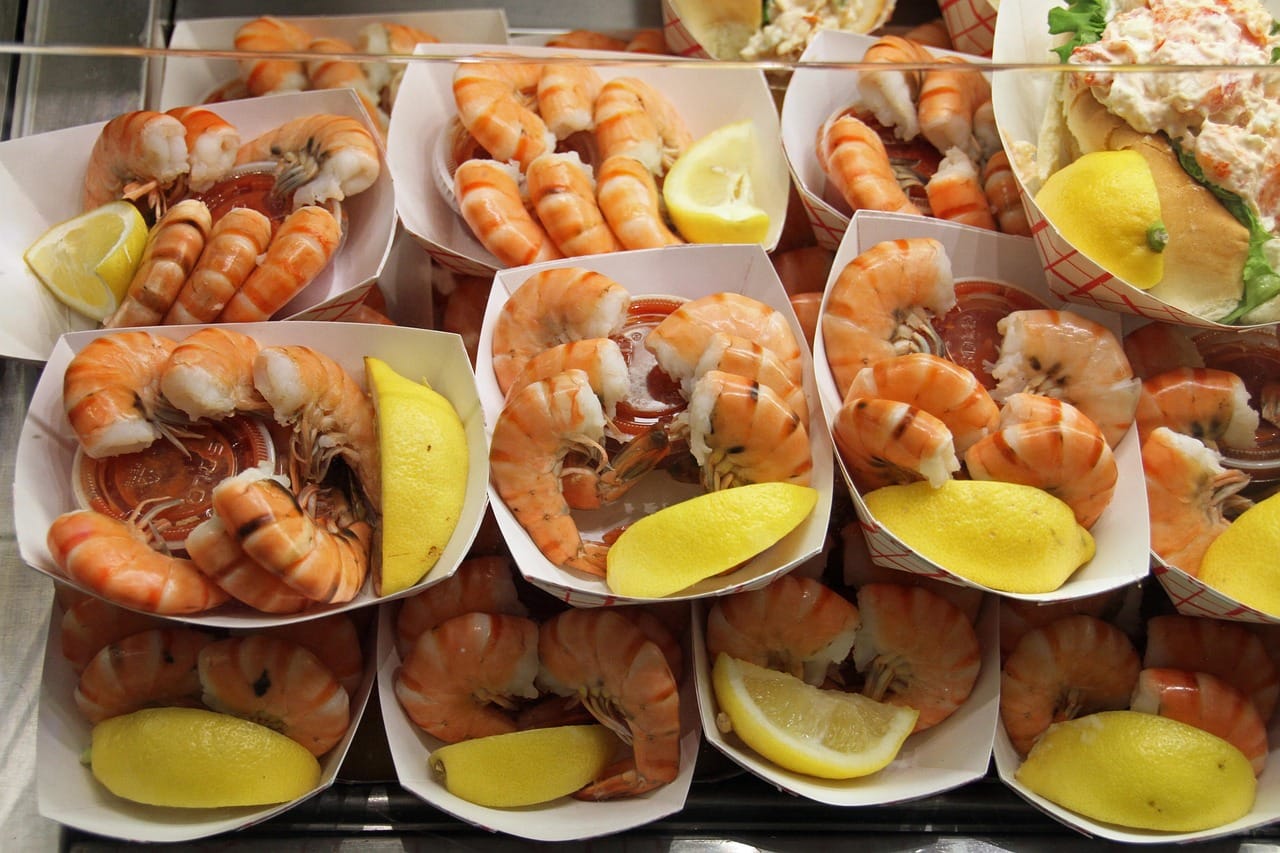
Today's Quincy Market food colonnade is a culinary paradise with more than 30 vendors representing regional traditions and global flavors. The central hall buzzes as visitors navigate between stalls, choosing from Boston classics to international specialties.
No visit feels complete without sampling the city's legendary clam chowder. Boston Chowda Co. serves this creamy soup in edible bread bowls that soak up every drop of rich broth. Neptune Oyster draws crowds with lobster rolls: buttery, toasted buns filled with succulent meat that captures the essence of New England seafood. Sweet treats hold equal appeal. Boston cream pie, the city's signature dessert, has delighted generations with its layers of cake, custard, and chocolate. Fresh cannoli filled with sweet cream offer a lighter option that still satisfies dessert cravings.
The marketplace embraces global cuisine with equal enthusiasm. Greek gyros in warm pita, aromatic Indian curries over fluffy rice, and carefully prepared Japanese sushi show the breadth of options. This diversity ensures every dietary preference and restriction is accommodated, making the market accessible to all.
Retail and Entertainment
While the food colonnade garners most attention, Quincy Market includes over 200,000 square feet of retail space with more than 80 businesses. Local artisans display handcrafted goods alongside national retailers, offering shopping opportunities from unique souvenirs to quality merchandise.
The cobblestone promenades become performance venues throughout the day as internationally acclaimed street performers and musicians entertain crowds. These artists bring remarkable talent: juggling acts that defy gravity, musical performances across genres, and interactive shows that draw audiences into the spectacle. Their energy adds another dimension to the marketplace atmosphere.
Quincy Market's location along the Freedom Trail makes it an ideal stop for history enthusiasts exploring Boston's Revolutionary War sites. Steps from the waterfront and surrounded by historic downtown, the marketplace serves as both a destination and a convenient rest point during urban exploration.
Visiting Information
The marketplace welcomes visitors year-round, offering different experiences each season. Summer brings the largest crowds and most active street performances, while quieter months allow for more intimate exploration. The Greek Revival architecture photographs beautifully in any season, with the copper dome a distinctive landmark visible from surrounding streets.
Access is straightforward; the marketplace occupies a central downtown location easily reached by public transportation or on foot from many Boston hotels. The open layout accommodates various mobility needs, though weekend and summer crowds can make navigation more challenging.
Whether seeking authentic New England cuisine, admiring architectural achievement, shopping for distinctive gifts, or simply absorbing the atmosphere where American democracy took root, Quincy Market delivers experiences that justify its status among the nation's premier destinations. The marketplace succeeds because it honors its past while serving present needs; this balance keeps both residents and visitors returning across generations.
Faneuil Hall Marketplace is located at 4 South Market in Boston. For current hours and special events, visit www.faneuilhallmarketplace.com.