Reframing History at the National Museum of Women in the Arts
Explore the World's First Museum Dedicated to Women Artists in Washington, D.C.
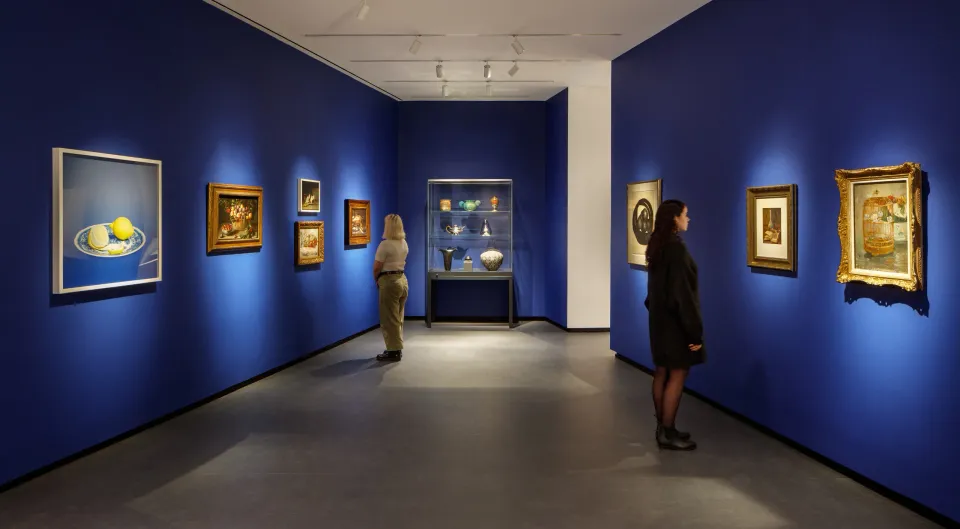
Step off the beaten path of D.C.’s monumental corridor and discover a treasure tucked in a stately 1908 former Masonic Temple at 1250 New York Avenue, just blocks from the White House. The National Museum of Women in the Arts is the world’s first museum dedicated solely to women’s artistic achievements—five centuries’ worth of masterful paintings, intricate sculptures, and dazzling decorative arts that reshape our understanding of art history.
A Female Perspective
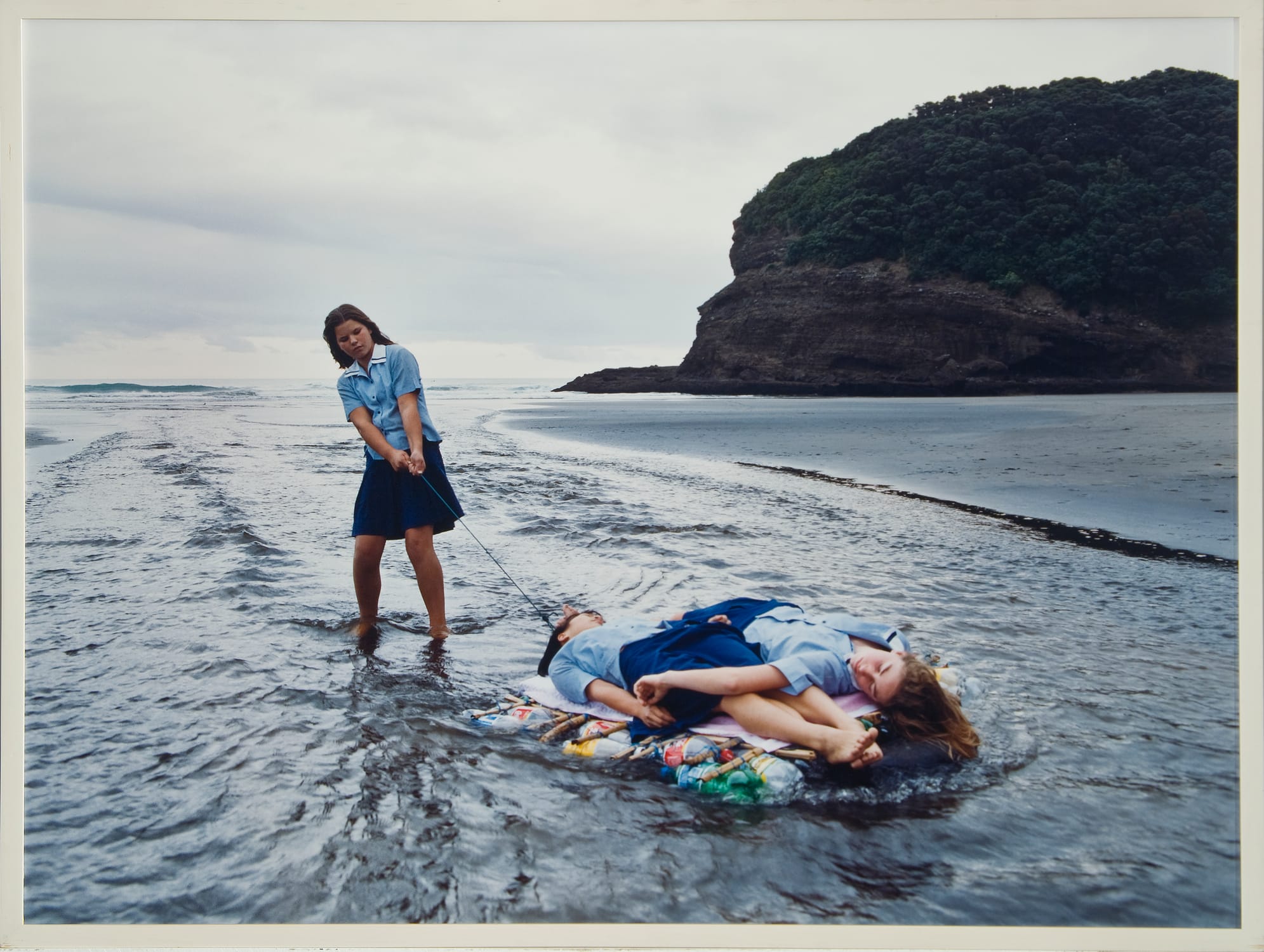
For centuries, women created powerful works of art behind the scenes—often unable to study, exhibit, or even sign their names. Some labored in secret, others saw their masterpieces attributed to fathers or teachers, and many vanished from the record altogether. In the 1970s, Wilhelmina Cole Holladay and her husband Wallace began collecting works by women to correct this imbalance. Their passion became the museum’s foundation, giving these artists the recognition they deserve.
A recent renovation added 2,500 square feet of gallery space and dedicated educational studios. Wander through rooms that span from Renaissance portraits to cutting‑edge contemporary installations. Peek behind the scenes in interactive labs where you can watch conservators restore hidden details and learn the methods experts use to attribute unsigned works.
Can you name 5 women artists?
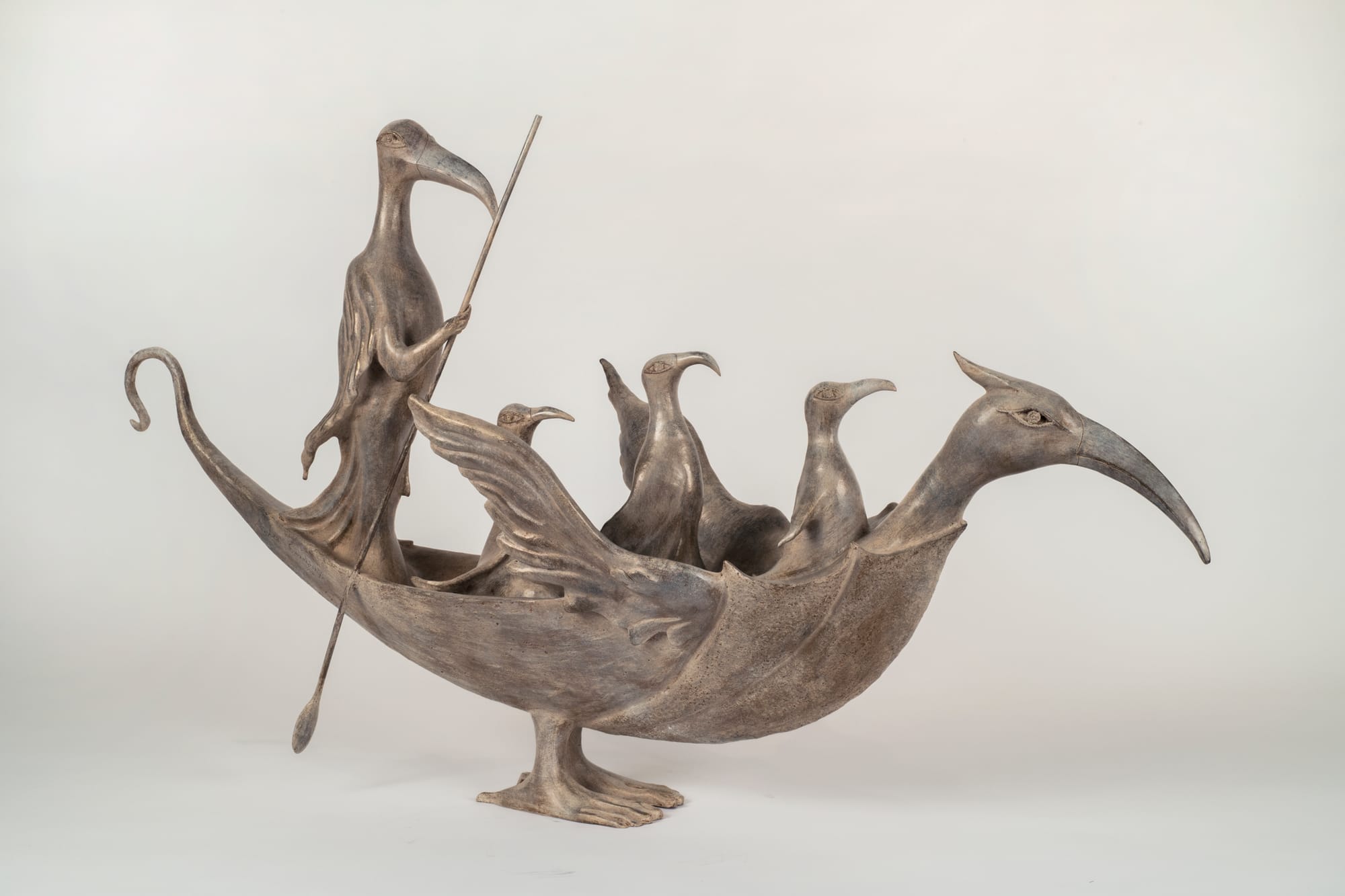
This question forms the centerpiece of the museum's annual social media campaign each March. Since 2016, the #5WomenArtists challenge has encouraged people worldwide to consider why so few women artists come readily to mind when discussing art history.
The campaign reveals ongoing imbalances in how cultural institutions present art. While progress has occurred, women artists today still encounter barriers in gallery representation, museum acquisitions, and market recognition. The museum uses its platform to advocate for changes in these systems.
In 2026, the campaign celebrates its tenth anniversary by showcasing the artists, museums, and cultural organizations that have joined the movement over the past decade. The initiative continues advocating for gender equity in the art world while highlighting the progress made and work still needed for women and nonbinary artists.
The museum partners with universities, archives, and living artists to unearth forgotten figures, confirm attributions, and champion women whose work is just beginning to be seen. This advocacy extends beyond simply displaying art to actively working for systemic change.
The museum is located at 1250 New York Avenue, NW in Washington D.C. For current exhibitions and programs, visit www.nmwa.org.