Life in the Fast Lane at the National Corvette Museum
Explore American Automotive History in Bowling Green, Kentucky
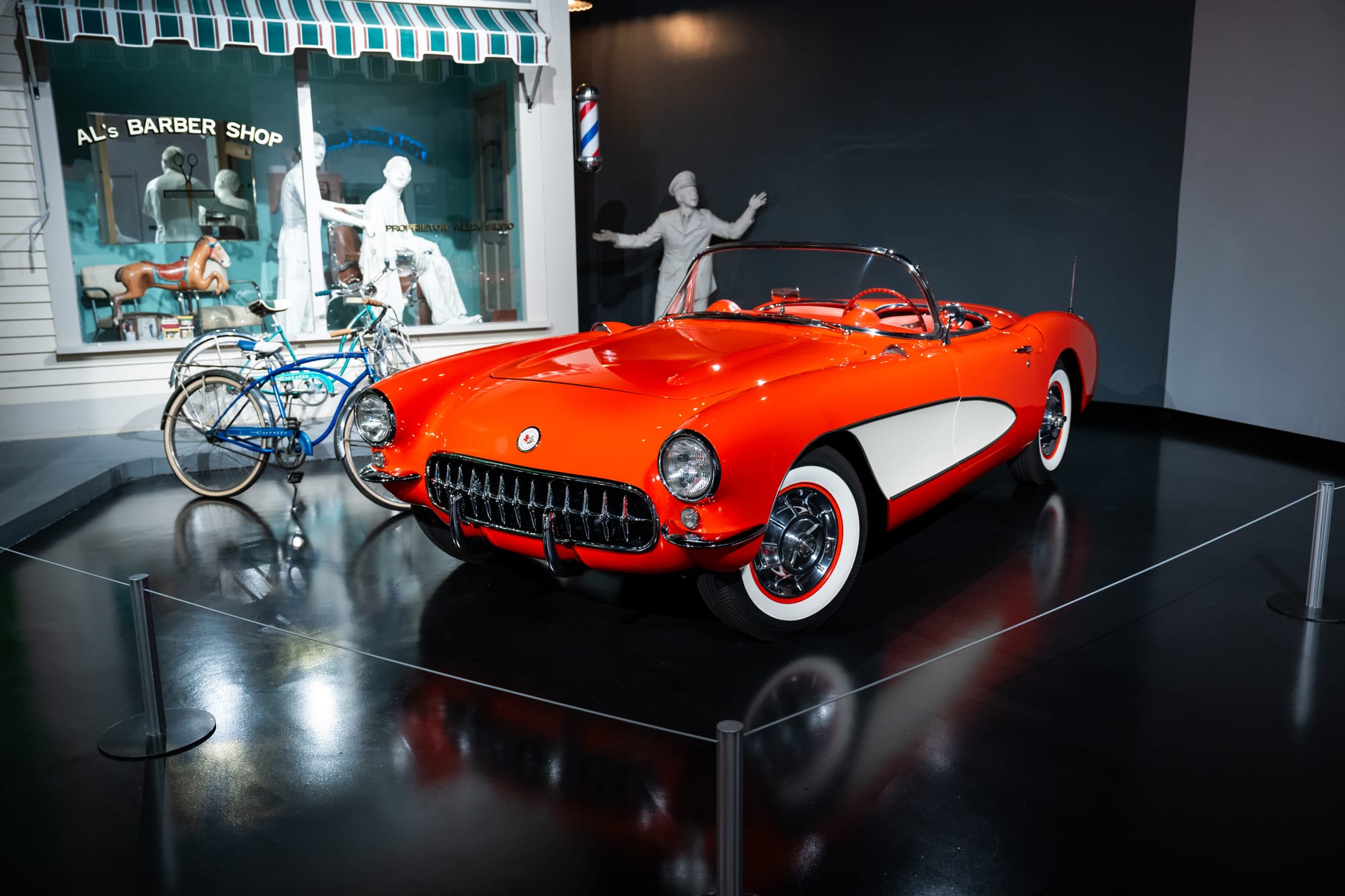
In January 1953, General Motors unveiled a revolutionary concept at the Waldorf Astoria Hotel in New York City. The sleek, fiberglass "dream car" called the Corvette represented America's bold attempt to create a world-class sports car. By June, the first production model rolled off the assembly line in Flint, Michigan. Chevrolet built 300 of these pioneering vehicles that first year and sold fewer than 200.
What happened next defines the American spirit of persistence and reinvention. Rather than abandoning the project, Chevrolet engineers recognized they needed to refine their vision. Today, the Corvette stands as the world's longest-running, continuously produced passenger car and an undeniable symbol of American automotive achievement. The story of this transformation lives on in Bowling Green, Kentucky, where the National Corvette Museum celebrates more than seven decades of innovation, performance, and cultural impact.
From Modest Beginnings to American Icon
The first Corvette featured a Blue Flame inline-six engine that produced 150 horsepower, respectable for the era but insufficient for the performance image Chevrolet wanted to establish. The 1955 model introduced a 4.3-liter V-8 engine that boosted power to 195 horsepower, providing the performance and sound buyers expected from a sports car.
Chevrolet continued refining the design and engineering throughout the following decades. The iconic 1963 Sting Ray established the distinctive design that would define Corvettes for generations. The 1968 model featured T-top removable roof panels and pop-up headlights that became Corvette signatures. A major aerodynamic redesign in 1984 dramatically improved performance while the 2019 ZR1's 755 horsepower demonstrated how far American engineering had advanced. The eighth-generation Corvette, introduced in 2020, moved the engine behind the driver for the first time in Corvette history, fundamentally changing the car's design and performance characteristics. The mid-engine layout allows it to rocket from 0 to 60 in under three seconds, competing with supercars like the Lamborghini Aventador and Porsche 911 Turbo.
Cultural Impact
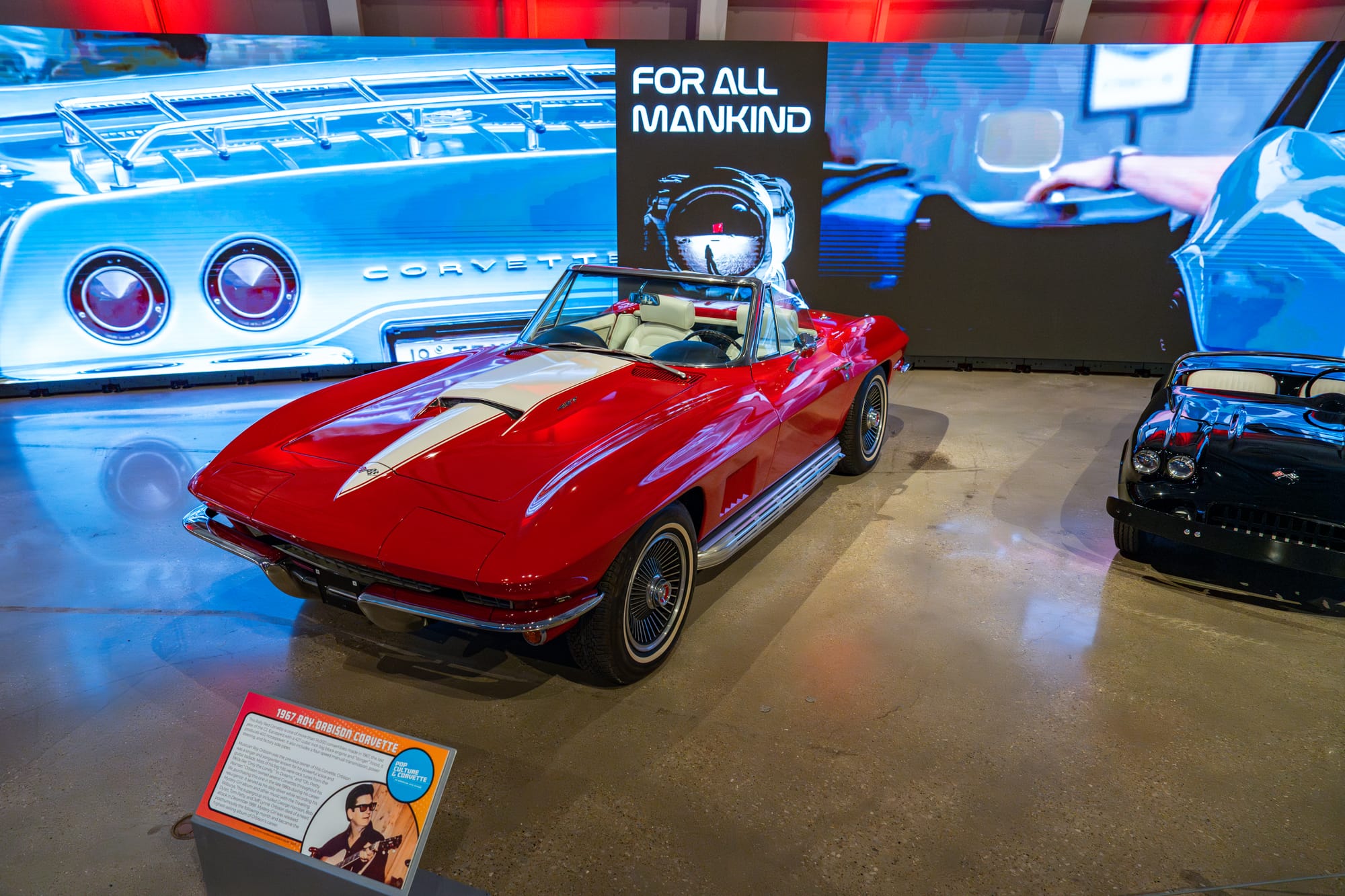
The Corvette's influence extends far beyond automotive circles into the heart of American popular culture. Music history intertwines with Corvette legacy across multiple genres. Prince immortalized the car in "Little Red Corvette," while surf music pioneers like the Beach Boys and Jan and Dean frequently referenced Corvettes in their songs during the 1960s. Country music embraced the Corvette in songs like George Jones' "The One I Loved Back" and David Ball's haunting "Riding With Private Malone," about a 1966 Corvette owned by a Vietnam veteran.
Hollywood reinforced the Corvette's image as the ultimate American sports car through decades of film and television appearances. From the 2009 Star Trek reboot showing young Captain Kirk behind the wheel to the more recent Hawaii Five-0 series, the Corvette consistently represents freedom, rebellion, and success in American popular culture.
The Museum Experience
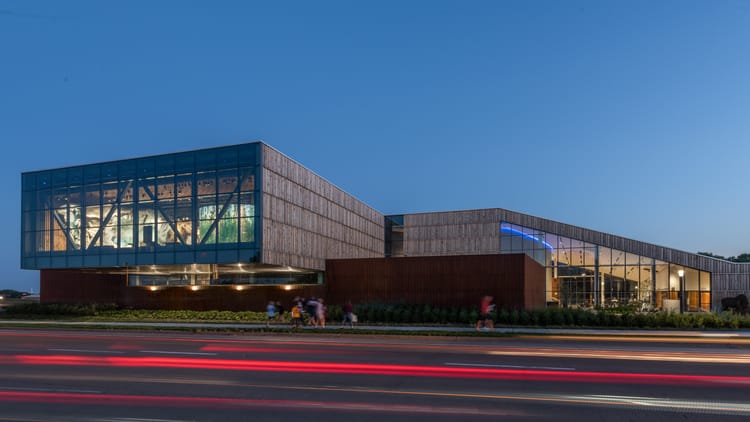
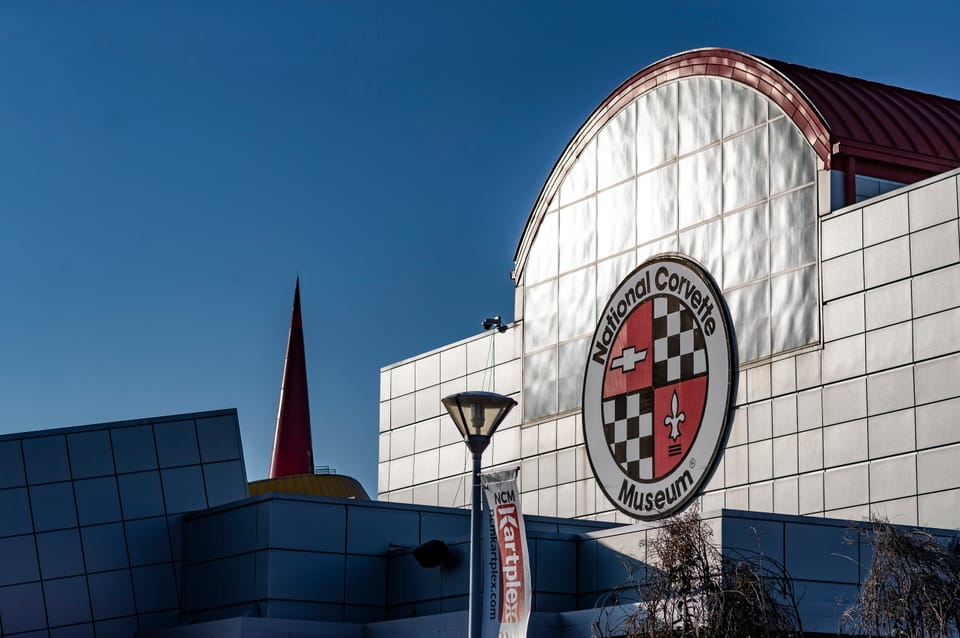
The National Corvette Museum sits less than a mile from the Bowling Green Assembly Plant, where every Corvette has been manufactured since production moved from St. Louis in 1981. The museum's most distinctive feature is the bright yellow Skydome, a towering structure with a red spire reaching 128 feet into the Kentucky sky. When viewed from above, the round building resembles a Corvette speedometer, while its vivid colors make it a landmark visible from Interstate 65.
The museum houses comprehensive exhibits spanning Corvette's evolution from experimental design to modern supercar. The newly opened education gallery recreates the legendary Studio X - the basement workspace where GM designer Bill Mitchell and select engineers created groundbreaking models like the XP-87 Stingray Racer, Mako Shark, and Manta Ray. That small space inspired the design innovations that would define Corvette styling for decades.
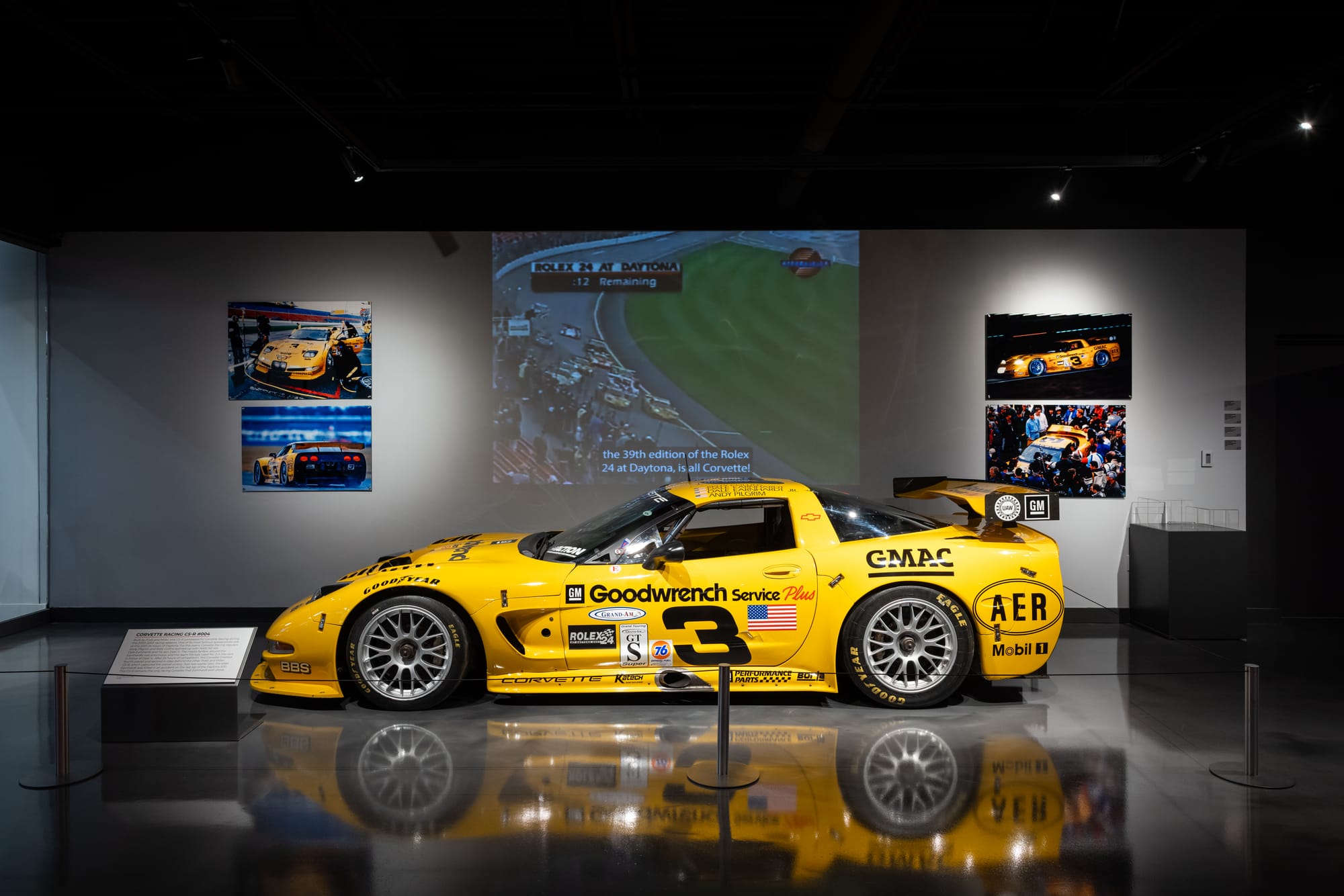
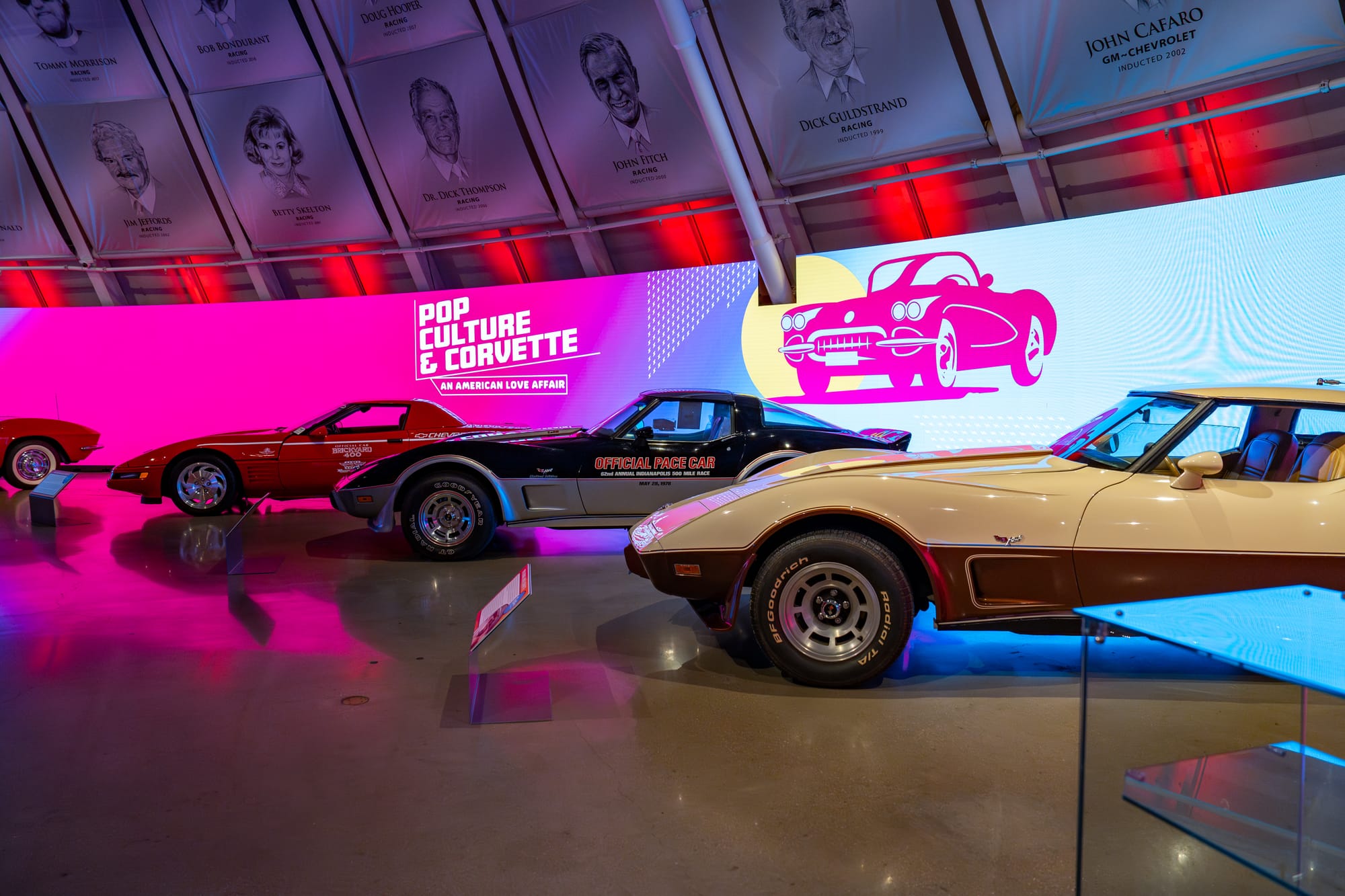
The E. Pierce Marshall Memorial Performance Gallery chronicles Corvette's motorsports achievements, while current exhibitions explore both racing heritage and pop culture impact. Visitors can see everything from custom guitars inspired by classic models to vehicles that appeared in major films and television shows.
On February 12, 2014, a massive sinkhole opened beneath the Skydome floor, swallowing eight historic Corvettes and creating international headlines. The dramatic recovery effort saw some vehicles restored while others remain on display in their damaged state as reminders of this extraordinary event.
The museum's Library & Archives preserves extensive documentation of Corvette development, while the Nostalgia Gallery traces the car's journey through different production eras. Visitors can enjoy lunch at the Stingray Grill, and plant tours of the nearby Bowling Green Assembly facility are available during select months, offering the chance to witness current Corvette production.
The National Corvette Museum demonstrates how one ambitious automotive project became a symbol of American ingenuity and cultural achievement.
The museum is located at 350 Corvette Drive in Bowling Green, Kentucky. For more information about exhibits, hours, and plant tours, visit www.corvettemuseum.org.