History Comes to Life at the Museum of Appalachia
Explore Southern Appalachian Heritage at a Living History Museum in East Tennessee
Deep in East Tennessee, where the foothills roll toward the Great Smoky Mountains, lies a remarkable 65-acre recreated community that brings Southern Appalachian history to life. The Museum of Appalachia in Clinton preserves not just buildings and artifacts, but the stories of the mountain people who shaped this region for generations.
John Rice Irwin founded the museum in 1969 after spending decades traveling the back roads of Southern Appalachia, collecting everyday items from mountain families. His dedication to preserving disappearing ways of life resulted in more than 250,000 artifacts displayed in three multi-story exhibit buildings, plus 35 historic log structures relocated from their original sites throughout the region. The museum earned recognition as a Smithsonian Affiliate in 2007 and welcomes 100,000 visitors annually.
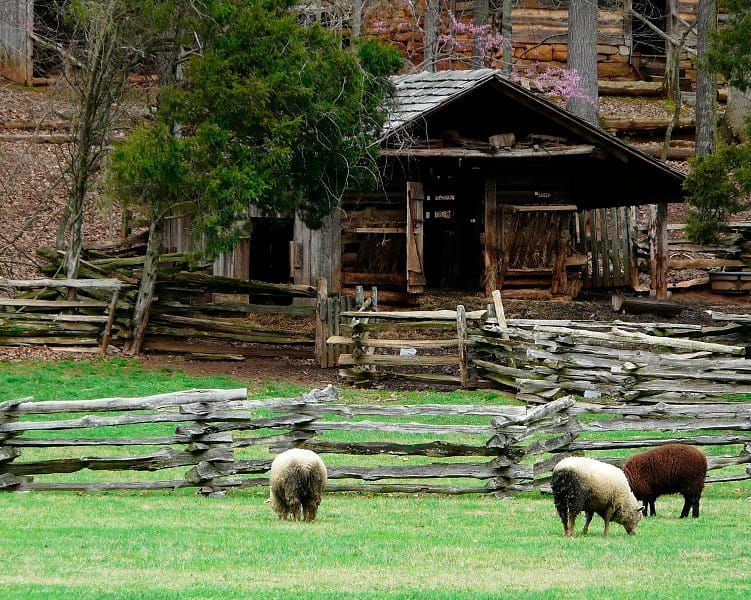
Each building tells a specific story about Appalachian life, from the challenges of frontier living to the ingenuity required for survival in isolated mountain communities. The recreated village includes log cabins, barns, churches, schools, gardens, and farm animals, all connected by split-rail fences that define this authentic mountain farm setting.
Home Sweet Home
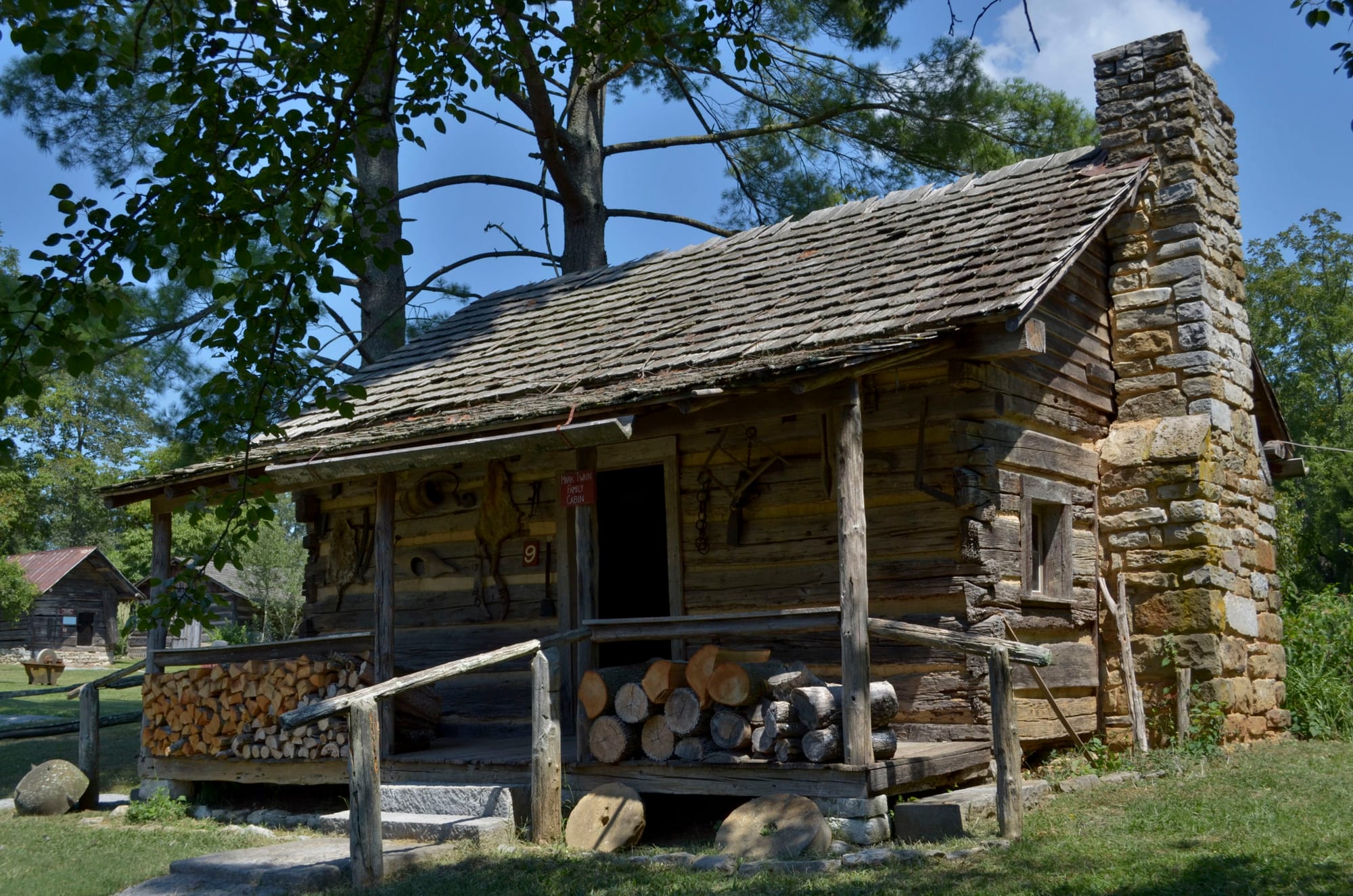
Among the most intriguing structures is the Mark Twain Family Cabin, originally located in Possum Trot, Tennessee, where experts believe the renowned author was likely conceived. Samuel Clemens' father, John, served as the first postmaster of the Pall Mall Post Office after moving to East Tennessee in the early 1820s. John and his wife Jane raised four children in this log home before departing for Missouri in 1835. Five months after their move, their son Samuel was born, eventually becoming the literary giant known as Mark Twain.
The General Bunch House, the first cabin erected when the museum opened, came from one of Tennessee's most isolated locations at Double Camp Creek. Eight-year-old General Bunch helped his father Pryor build the home by dragging logs from the mountains with oxen. The family of twelve lived in just two rooms, walking twelve miles across mountains to reach the nearest store for necessities like salt.
The Tom Cassidy House, measuring just eight feet by eight feet, represents mountain living at its most compact. Tom Cassidy lived alone in this tiny cabin until his death in 1989.
Authentic Mountain Life
The museum's buildings demonstrate the self-sufficiency required for mountain living. A functional blacksmith shop, complete with wooden bellows, showcases one of Appalachia's most essential trades. Virtually all tools, weapons, and implements were made, repaired, and recycled in such shops scattered throughout the mountains.
The underground dairy illustrates how families preserved food without refrigeration, while the leather and saddle shop contains the complete equipment used by Hobart Hagood of Persia, Tennessee. Starting as a rural mail carrier in 1920, Hagood became a master craftsman whose harnesses supplied Amish communities in Pennsylvania, pleasure horses in Florida, and mining operations throughout Kentucky and Virginia.
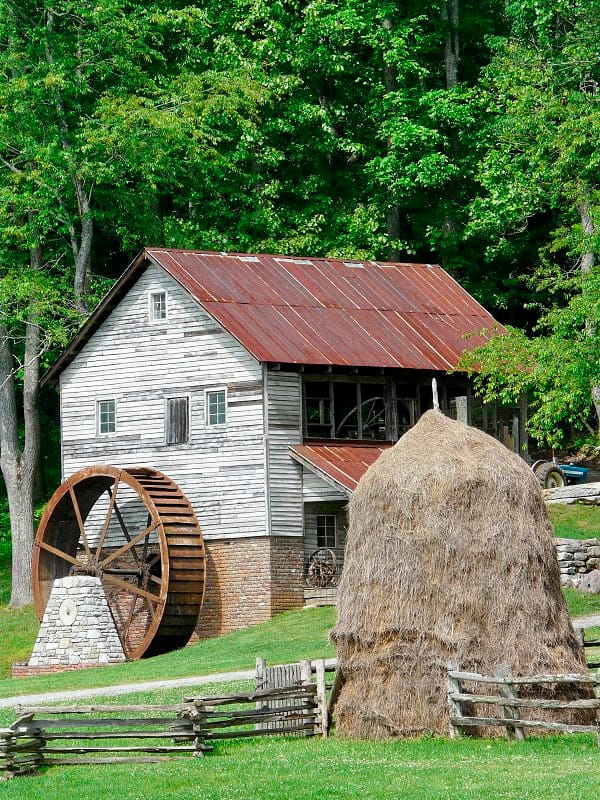
More unusual structures include an authentic whiskey still built by legendary moonshiner Marvin "Popcorn" Sutton, and a rare cantilever barn featuring the distinctive overhang design found almost exclusively in East Tennessee. The 1790 grist mill, which operated for over two centuries at Boone's Creek, demonstrates how communities gathered to process their grain harvests.
The 1874 jail cells from Madisonville reveal harsher realities, where four inmates shared each six-by-nine-foot cell through scorching summers and brutal winters, with only a tiny opening in the door providing light. The Big Tater Valley School House, built in the early 1800s by Crocket Skeens, served the neighborhood for nearly a century and still hosts educational demonstrations today. Irwin's Chapel, a log church built around 1840 in Hamburg, North Carolina, continues its community role by hosting weddings and special services.
A Living Connection to the Past
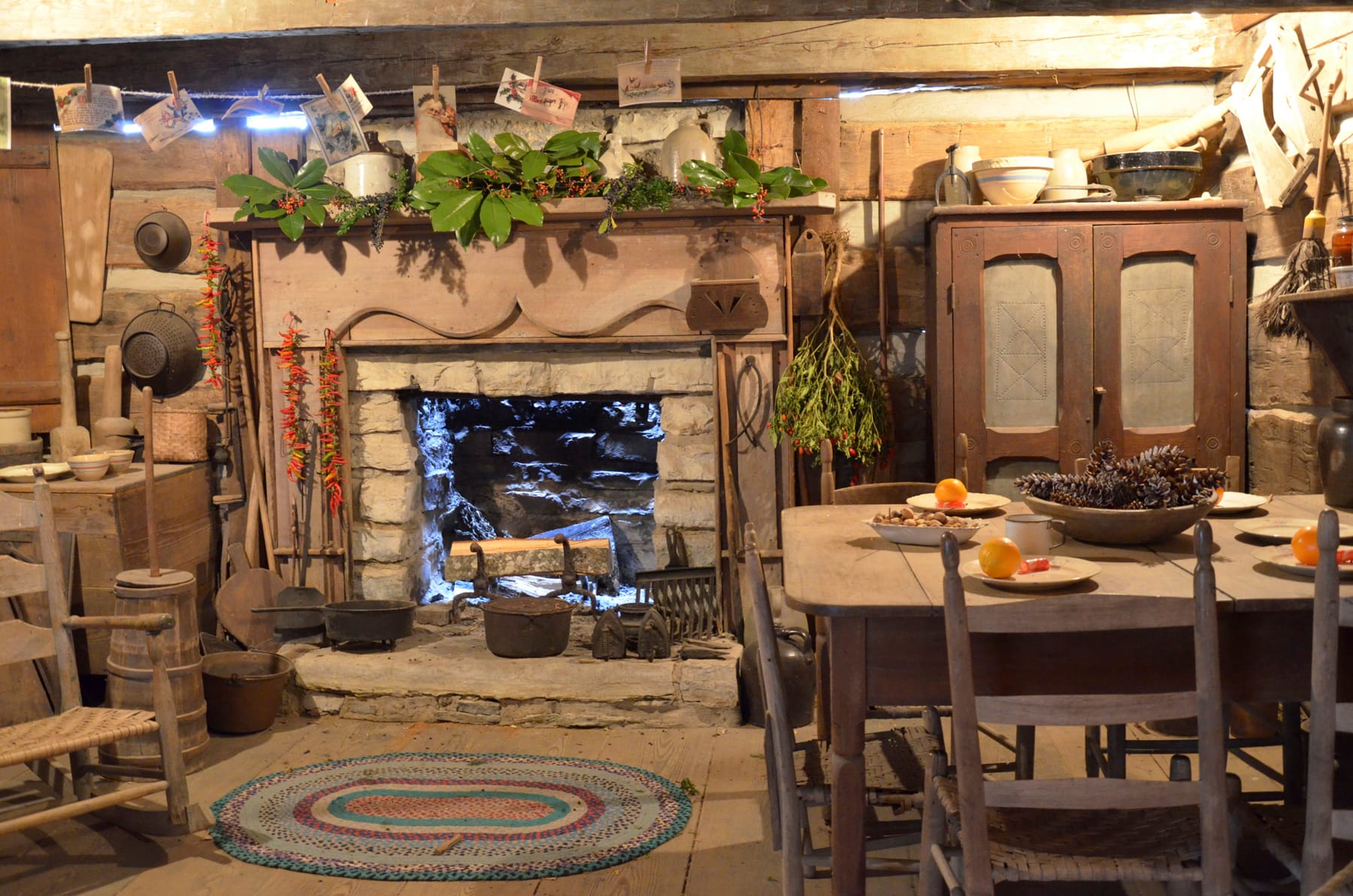
The museum's three exhibit buildings contain vast collections of folk art, musical instruments, baskets, quilts, and Native American artifacts that illuminate daily life in Southern Appalachia. These items, arranged as they might have appeared in mountain homes, provide context for understanding how families lived, worked, and entertained themselves in challenging environments.
The museum restaurant serves Southern Appalachian cooking daily from 11 AM to 3 PM, featuring traditional casseroles, hearty entrees, and homemade desserts prepared as they have been in country kitchens for generations. The shop showcases work by regional artisans, from locally-made honey to hand-crafted pottery, supporting contemporary Appalachian traditions.
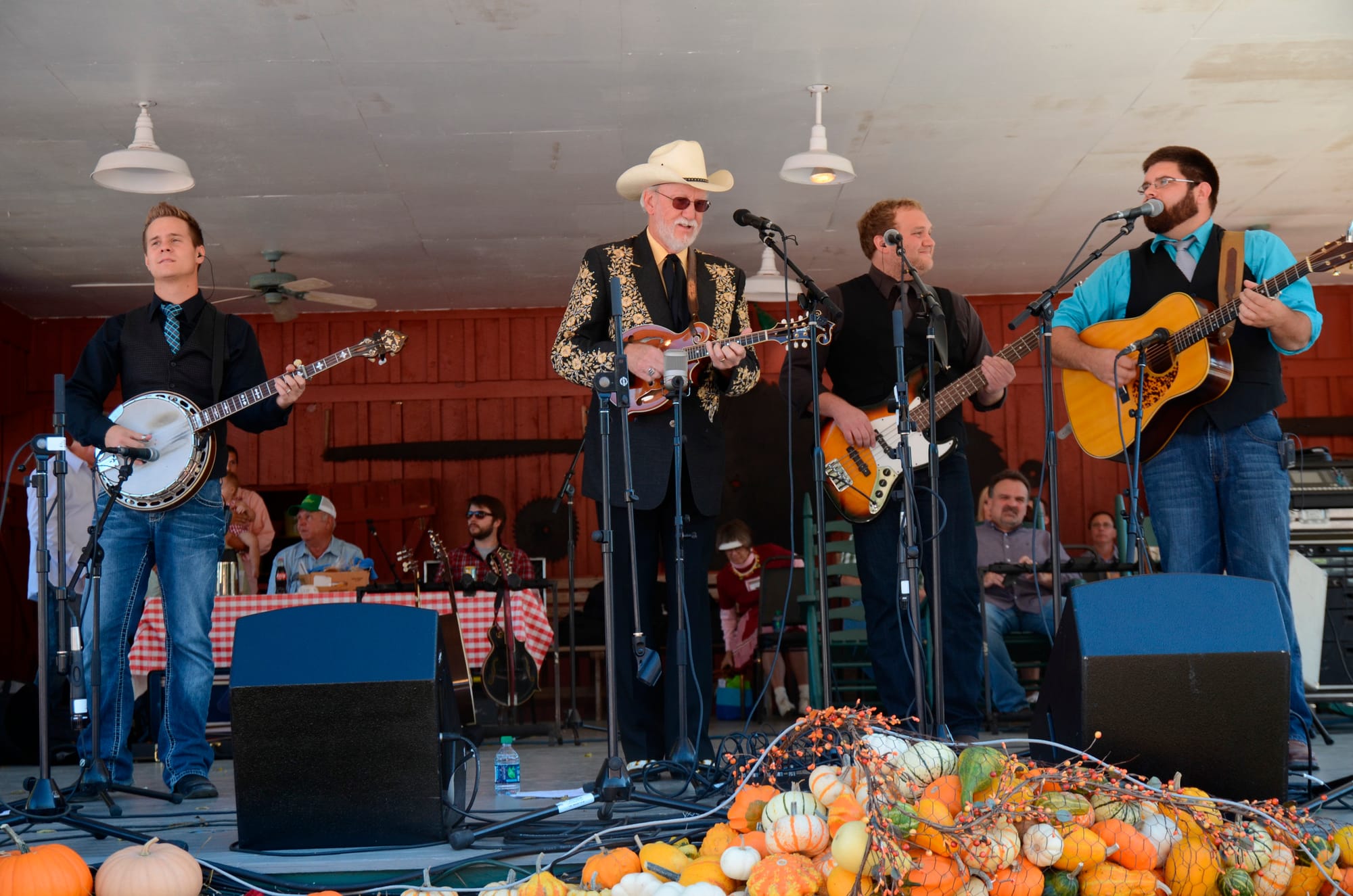
The village comes alive throughout the year with weekly events like live music performances and seasonal activities such as sheep shearing in the spring. Major celebrations including the Tennessee Fall Homecoming and July 4th festivities feature demonstrations of traditional crafts, music, and mountain skills. The historic chapel hosts weddings and services, continuing its role as a community gathering place more than 180 years after its construction.
This living history museum preserves not just the physical remnants of Appalachian life, but the spirit of resilience, creativity, and community that defined mountain culture. For visitors seeking to understand American heritage beyond textbooks and distant historical sites, the Museum of Appalachia offers an authentic encounter with the people who carved lives from these ancient mountains.
The museum is located at 2819 Andersonville Hwy. in Clinton, Tennessee. For more information about tours, events, and hours, visit www.museumofappalachia.org.