Museum Hill: Santa Fe's Cultural Treasure
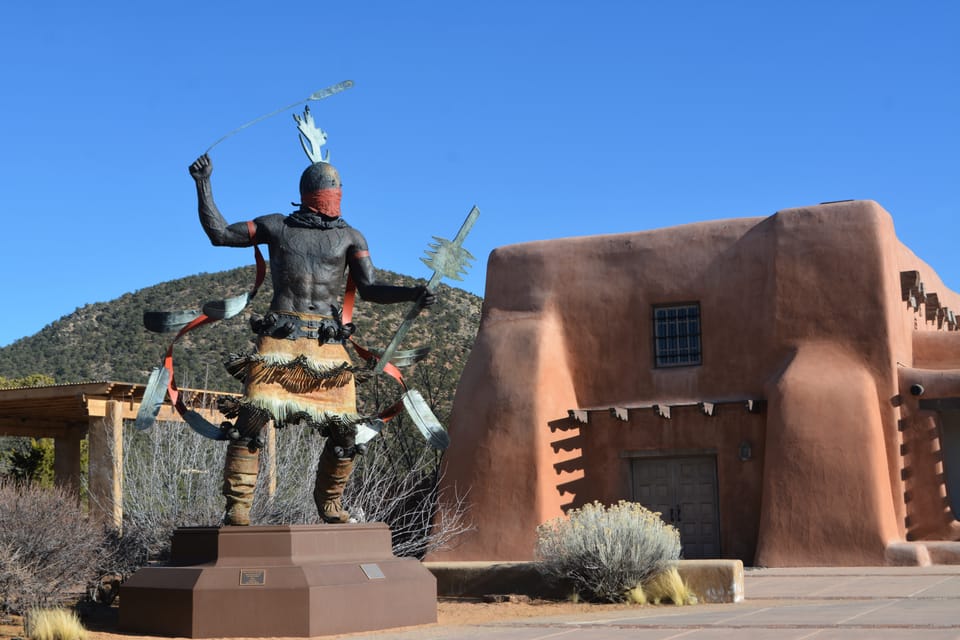
Known as "The City Different," Santa Fe sits on the ancestral homeland of the Tewa people and has earned its nickname through a distinctive blend of Native American, Hispanic, and Anglo cultures. Tucked into the foothills of the Sangre de Cristo Mountains, Santa Fe is home to Museum Hill – a cultural complex featuring four museums and botanical gardens that showcase international folk art, Native American heritage, and regional culture.
Just a short drive from downtown Santa Fe, Museum Hill serves as both an introduction to the region's rich heritage and a showcase of international artistry. The hill itself functions as a sculpture garden, with notable artworks displayed throughout the grounds, while beautiful views of the surrounding high desert landscape provide a dramatic backdrop for your visit.
Nuevo Mexicano Heritage Arts Museum
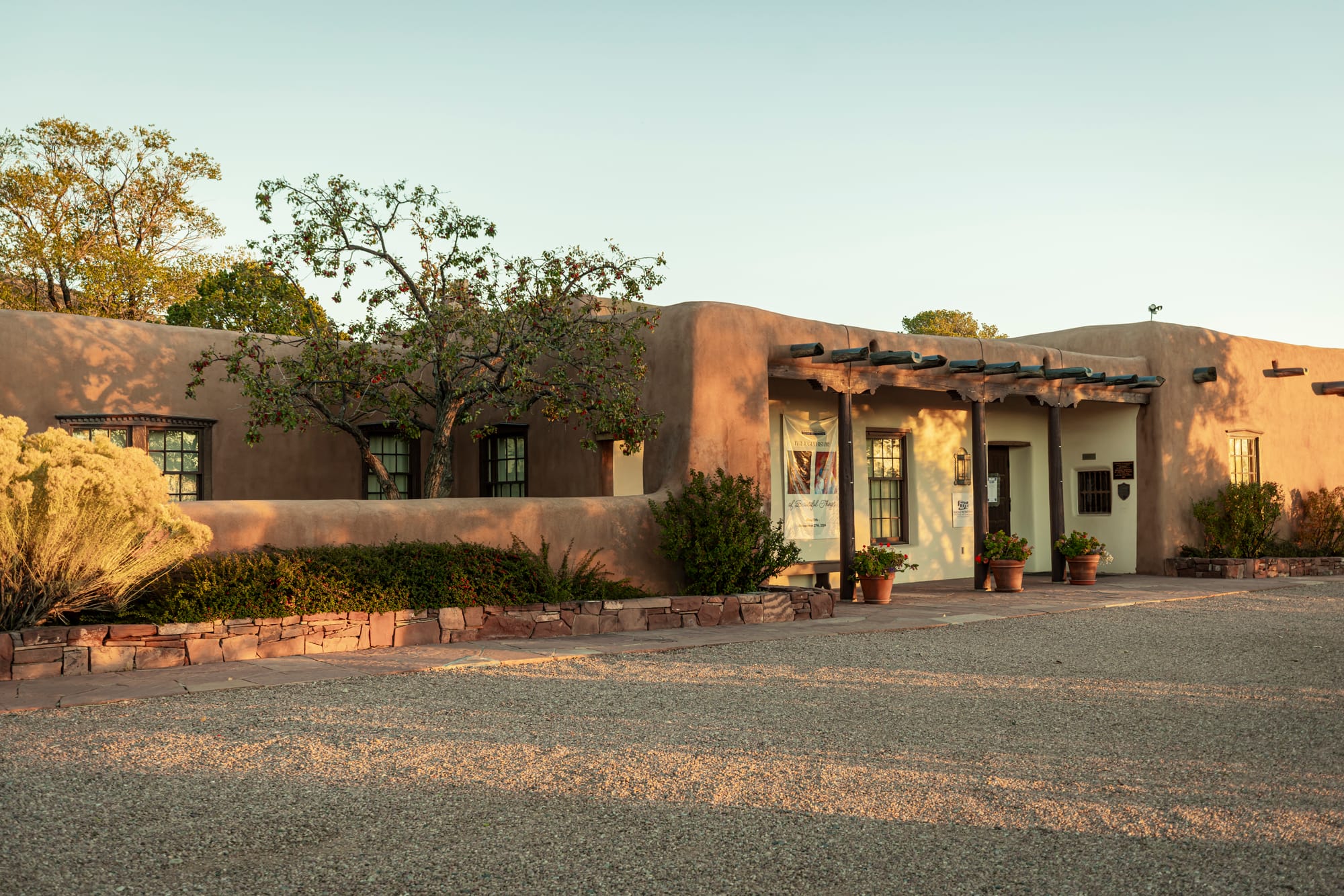
The Nuevo Mexicano Heritage Arts Museum houses the world's only collection dedicated specifically to Nuevo Mexicano heritage arts, featuring more than 4,000 pieces that span from the colonial period to contemporary works. The Museum occupies a historic 1930 residence designed by John Gaw Meem, the architect credited with defining Santa Fe Style. This Pueblo-Spanish Revival building is the only Meem-designed residential structure open to the public in Santa Fe. Built using hollow-tile blocks rather than traditional adobe, the structure was hand-sculpted to mimic earth construction while providing greater durability. Meem worked alongside architects like Isaac Hamilton Rapp and Mary Coulter to develop what became known as Santa Fe Style architecture.
Nearly half the collection showcases pieces by Spanish Market artists from the 1920s to present day, while earlier works date from the colonial period of 1598-1821. For more information about current exhibitions, visit www.nmheritagearts.org.
Museum of International Folk Art
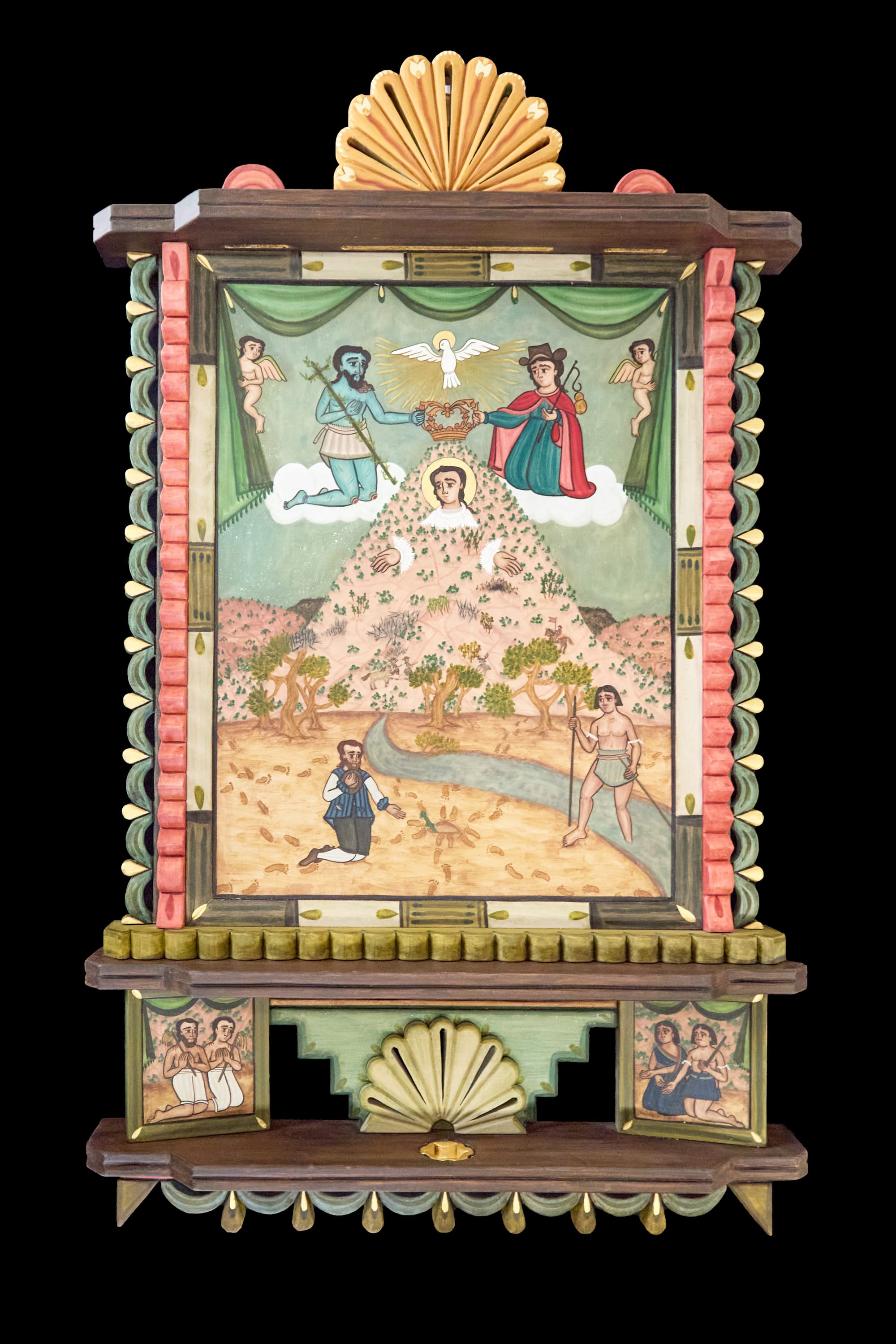
The Museum of International Folk Art was founded in 1953 by Florence Dibell Bartlett, a Chicago philanthropist who began visiting New Mexico in the 1920s. Having lived through two world wars, Bartlett sought ways to bring cultures together through shared appreciation of traditional crafts. She believed that folk art could reveal the common threads of human creativity across different societies, and her museum was designed to demonstrate these universal connections through its collections.
Bartlett funded the original building, also designed by architect John Gaw Meem, and donated the founding collection of over 2,500 objects. The museum she envisioned has grown to house an incredible collection of 150,000 artifacts spanning more than 150 countries, making it the world's largest repository of folk art.
The Museum's innovative approach to display creates an immersive experience where toys, textiles, and traditional crafts tell stories of human creativity across cultures. The Alexander Girard wing features elaborate miniature dioramas that are truly captivating with their intricate detail and thoughtful presentation. For current hours and special exhibitions, visit www.internationalfolkart.org.
Wheelwright Museum of the American Indian
The Wheelwright Museum has a unique founding story rooted in an unlikely friendship between Boston philanthropist Mary Cabot Wheelwright and renowned Diné ceremonial practitioner Hastiin Klah. The two met in the 1920s and collaborated for over a decade to preserve Navajo ceremonial knowledge through recordings, weavings, and paintings. Their partnership resulted in this distinctive museum, originally designed to house and share this cultural documentation.
In 1977, the Museum voluntarily repatriated ceremonial materials to the Ned A. Hatathli Cultural Center Museum at Diné College in Tsaile, Arizona - one of the first institutions in North America to do so. This marked the Museum's transition to focusing on contemporary Native American arts, with the main gallery renamed in Klah's honor.
Today the Museum operates within a distinctive eight-sided building that honors traditional Navajo architecture. The Museum's commitment to supporting living artists means exhibitions regularly feature emerging and established Native American creators, offering visitors insight into evolving artistic traditions. The Case Trading Post museum shop features an impressive selection of vintage jewelry and crafts by local Native American artists. For information about current exhibitions and artist programs, visit www.wheelwright.org.
Museum of Indian Arts & Culture
The Museum of Indian Arts & Culture emerged from early 20th-century efforts to systematically preserve Southwestern indigenous culture. Anthropologist Edgar Lee Hewett founded the Museum of New Mexico in 1909 to collect Southwest Native American artifacts, while John D. Rockefeller established the Laboratory of Anthropology in 1927 to study the region's indigenous cultures. When these institutions merged in 1947, they created the most comprehensive collection of Southwestern anthropological artifacts in the country.
The Museum opened in 1987 as a 31,000 square foot exhibition space for this extensive collection. The institution preserves and interprets the heritage of the Southwest's indigenous peoples through more than 70,000 artifacts and 10 million archaeological specimens from thousands of excavated sites across New Mexico.
The permanent exhibition "Here, Now and Always" represents a groundbreaking approach, developed by Southwest Indian peoples and museum professionals working together. Incorporating voices of more than 75 Native Americans, the exhibition tells complex stories of Pueblo, Navajo, Apache, and other Southwestern cultures through their own words and 1,300 carefully selected objects. The Buchsbaum Gallery displays both modern and historic pottery from regional pueblos, while the outdoor sculpture garden provides space for rotating works by contemporary Native American artists. For more information about current exhibitions and events, visit www.indianartsandculture.org.
The Santa Fe Botanical Garden
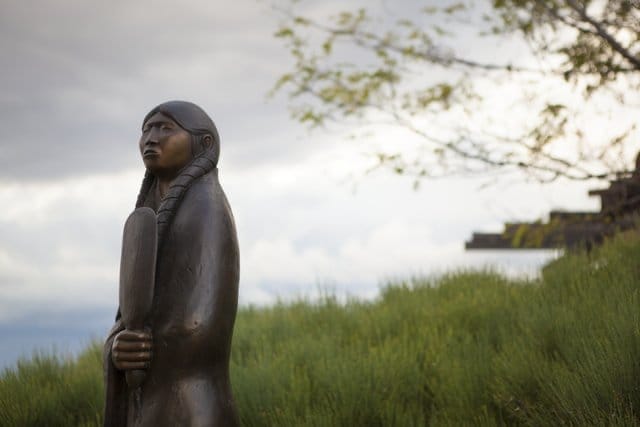
The Santa Fe Botanical Garden completes the Museum Hill experience by celebrating the natural heritage of northern New Mexico. The Garden's thoughtfully designed sections showcase both cultivated beauty and native high desert ecosystems.
La Rambla, a meandering rock channel, slows rainwater flow to maximize plant irrigation. The Meadow Garden features a broad, shallow bowl designed to collect rainwater, supporting native plants and wildflowers that provide dramatic seasonal interest. Candyce Garrett's sculpture "Emergence" serves as a focal point.
Walking through the Orchard Gardens feels like discovering an abandoned orchard of fruit trees nestled among meadows of grasses and wildflowers, though the fruit grown here is actually donated to local food banks each year. The Xeric Garden relies entirely on rainwater, featuring sophisticated plantings with varied textures and colors that echo the Santa Fe landscape.
An Art Trail winds through the gardens, offering sculptures surrounded by naturalistic plantings. The trail leads to one of the Garden's most beloved features - the historic red bridge, also known as Kearny's Gap Bridge. Built in 1913 by the Missouri Valley Bridge and Iron Company, this 62-foot Warren truss bridge originally served along a route following the Santa Fe Trail. When highway improvements left the bridge abandoned on the Bibb Ranch, it found new purpose connecting the botanical garden across the Arroyo de los Pinos, offering views of a historic 1930s Civilian Conservation Corps gabion dam and distant Jemez Mountains. For more information about visiting hours and seasonal highlights, visit www.santafebotanicalgarden.org.
The Museum Hill complex is located off Camino Lejo in Santa Fe, New Mexico. The free Santa Fe Pick-Up shuttle provides service to Museum Hill from various locations throughout Santa Fe. For more information about Santa Fe attractions, visit www.santafe.org.