Animal Magnetism at Lincoln Park Zoo
Discover Chicago, Illinois' Historic Free Zoo with Lions, Penguins, and River Otters
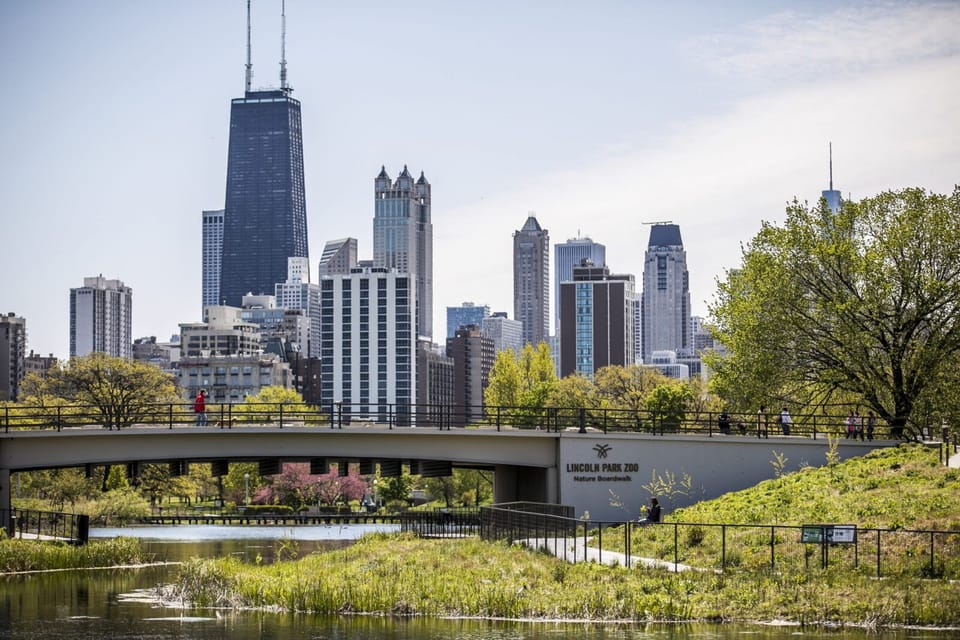
Spend an afternoon discovering nearly 200 species from around the globe at Lincoln Park Zoo. This 49-acre Chicago zoo has operated since 1868, evolving from a simple collection of swans into a world-class zoo housing animals from across continents. Watch playful river otters dive and swim, observe majestic African lions in their expansive habitat, and meet gentle alpacas who recently made the zoo their home. More than 850 plant species create a green sanctuary featuring century-old oak trees that provide habitat for native wildlife including birds, insects, turtles, frogs, and fish. Gates open at 8 a.m., with animal buildings opening at 10 a.m., and best of all, the zoo does not charge admission.
Exciting New Arrivals
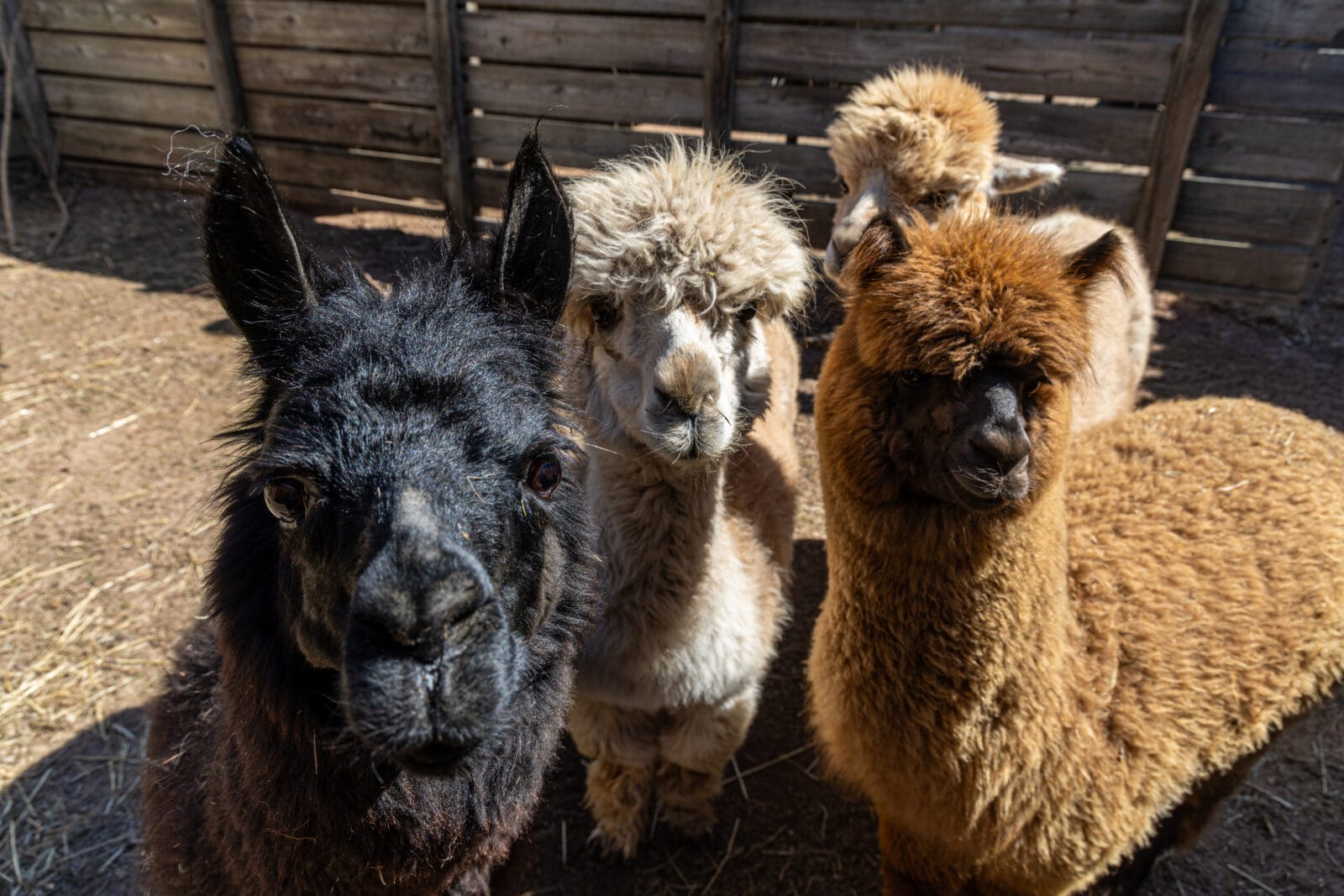
Spring and summer 2025 brought new animals to Lincoln Park Zoo. Six female alpacas arrived in spring, moving into their new habitat. The herd includes Starlight, Zsa Zsa, Maya, Sara, Grettle, and Gracie, with ages from 1 to 24 years. Each alpaca displays distinct characteristics - from Starlight's light fleece with curly topknot to Maya's dark black coat. These South American natives adapt well to Chicago's climate thanks to their thick fleece, originally developed for the high-altitude Andes Mountains.
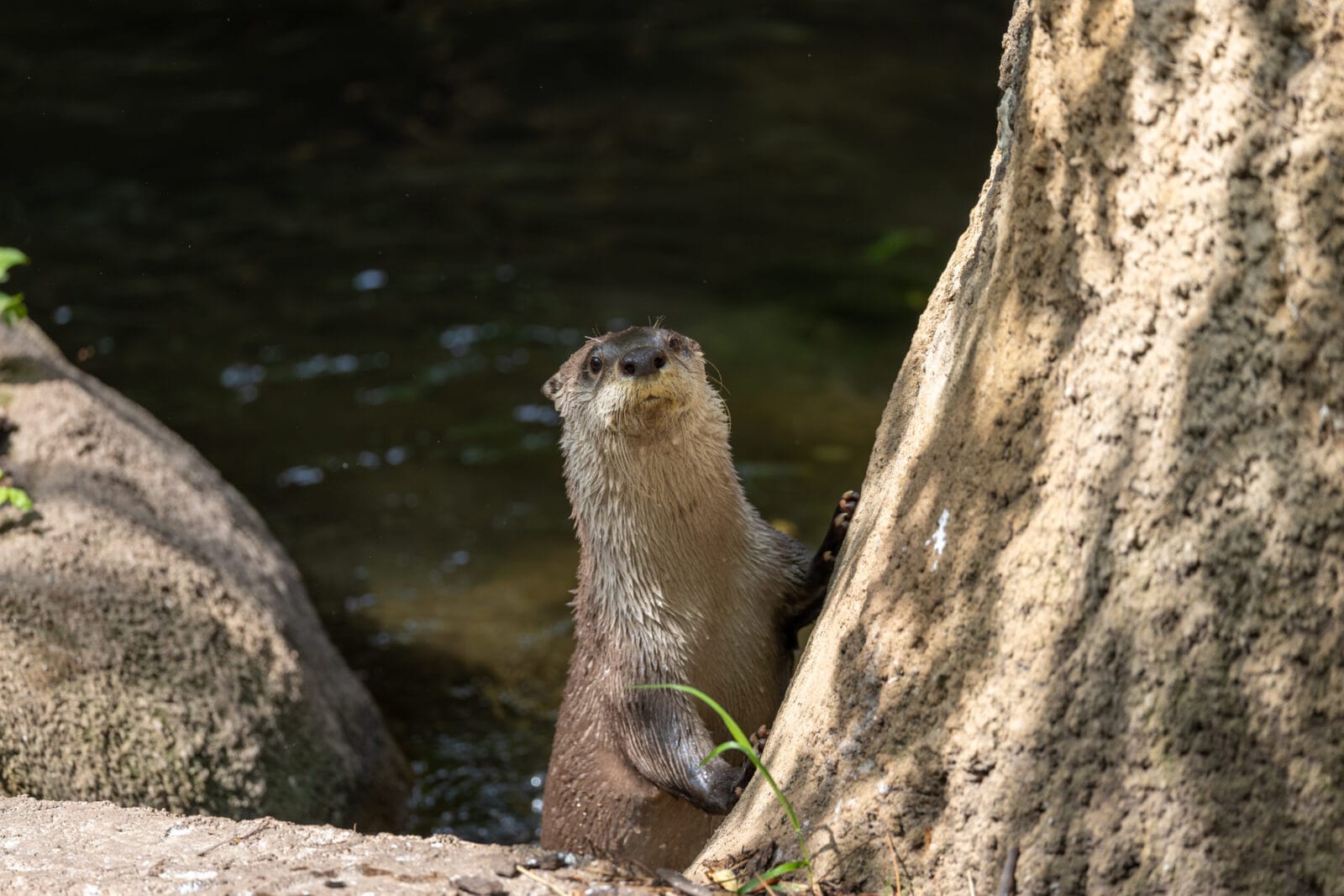
Tucker the North American river otter joined the zoo in June 2025. The 6-year-old male transferred from Roosevelt Park Zoo in North Dakota as part of the Species Survival Plan, a collaborative population management program. Tucker demonstrates remarkable intelligence with puzzle feeders and shows a particular fondness for rib bones, which the zoo's Nutrition Center incorporates into his customized diet.
In April 2025, JC the lar gibbon celebrated her sixth birthday upon reaching Lincoln Park Zoo. This young female joined Murray, a white-cheeked gibbon, at Helen Brach Primate House, creating an interesting mixed-species pairing. While Murray sports black hair, JC displays a distinctive creamy white coat. Born at Columbus Zoo to parents Chanee and Leo, JC quickly adapted to her new environment, engaging in training sessions and showing preference for hard-shelled nuts and grapes.
The Pride of the Zoo
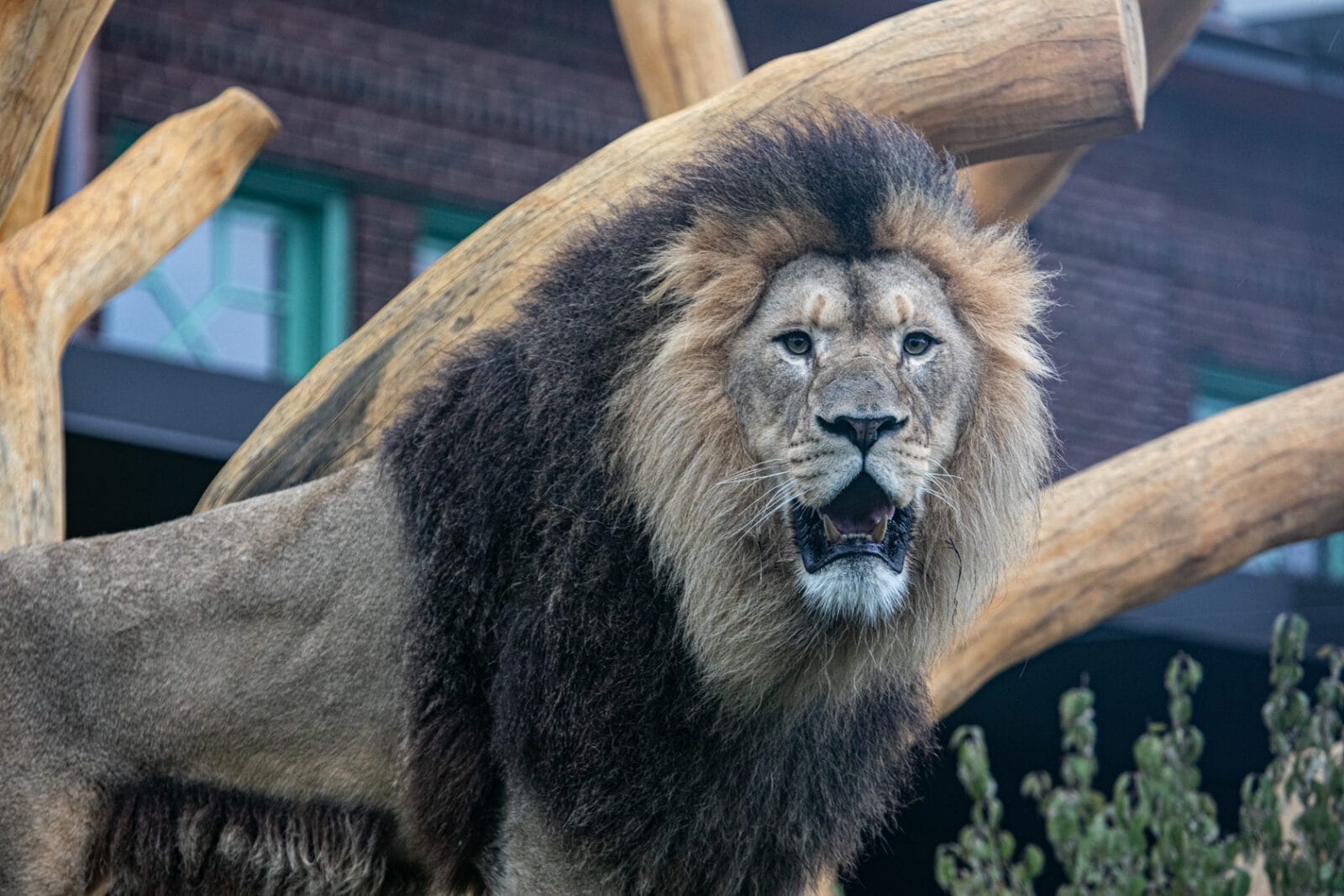
The Pepper Family Wildlife Center represents the zoo's most ambitious recent project, opening in October 2021 as the final phase of a $135 million capital campaign. This 18,300-square-foot exhibit houses two prides of African lions alongside red pandas, snow leopards, and Canada lynx.
The habitat's design stems from extensive research on lion behavior and space preferences. The savanna-style environment spans the building's entire northern side, featuring elevated rocks for vantage points, climbing structures made from Forest Stewardship Council-certified trees, and thermal comfort zones with embedded heating and cooling systems. Food zip lines simulate prey movement, providing enrichment opportunities during feeding time.
Visitors experience multiple viewing perspectives, including the innovative Lion Loop that allows observation from the habitat's center, providing side and overhead views of the animals. A demonstration training wall enables guests to watch lions participate in their healthcare.
The lion house itself holds designation as a Chicago Landmark, representing exceptional 1912 Arts and Crafts architecture. The building features patterned and glazed brickwork, ornamental cast iron, clay tile roofing, terra cotta details, and a restored Gustavino vault ceiling that was enhanced during the recent renovation.
Zoo Highlights
Lincoln Park Zoo offers diverse experiences across multiple themed areas. Farm-in-the-Zoo opened in 1964 and was renovated in 2002, incorporating domestic farm animals and play-based learning stations where guests experience farm life through multiple senses. The Main Barn provides open-ended play for toddlers and young children, while the Livestock Barn and Dairy Barn feature outdoor yards for goats, pigs, cows, and ponies. Seasonal programs allow early learners to feed chickens and cows when the animals choose to participate.
At the Pritzker Family Children's Zoo, visitors focus on North American species through expert animal care and interactive learning elements. This area provides close views of American beavers, black bears, red wolves, and river otters while teaching about the interdependency of living things.
Eight naturalistic habitats make up Helen Brach Primate House, complete with vines, trees, murals, and natural lighting that mimics forest ecosystems. Some habitats house multiple species, encouraging animals to coexist as they would in the wild, while a large outdoor space provides additional enrichment for white-cheeked gibbons during warmer months.
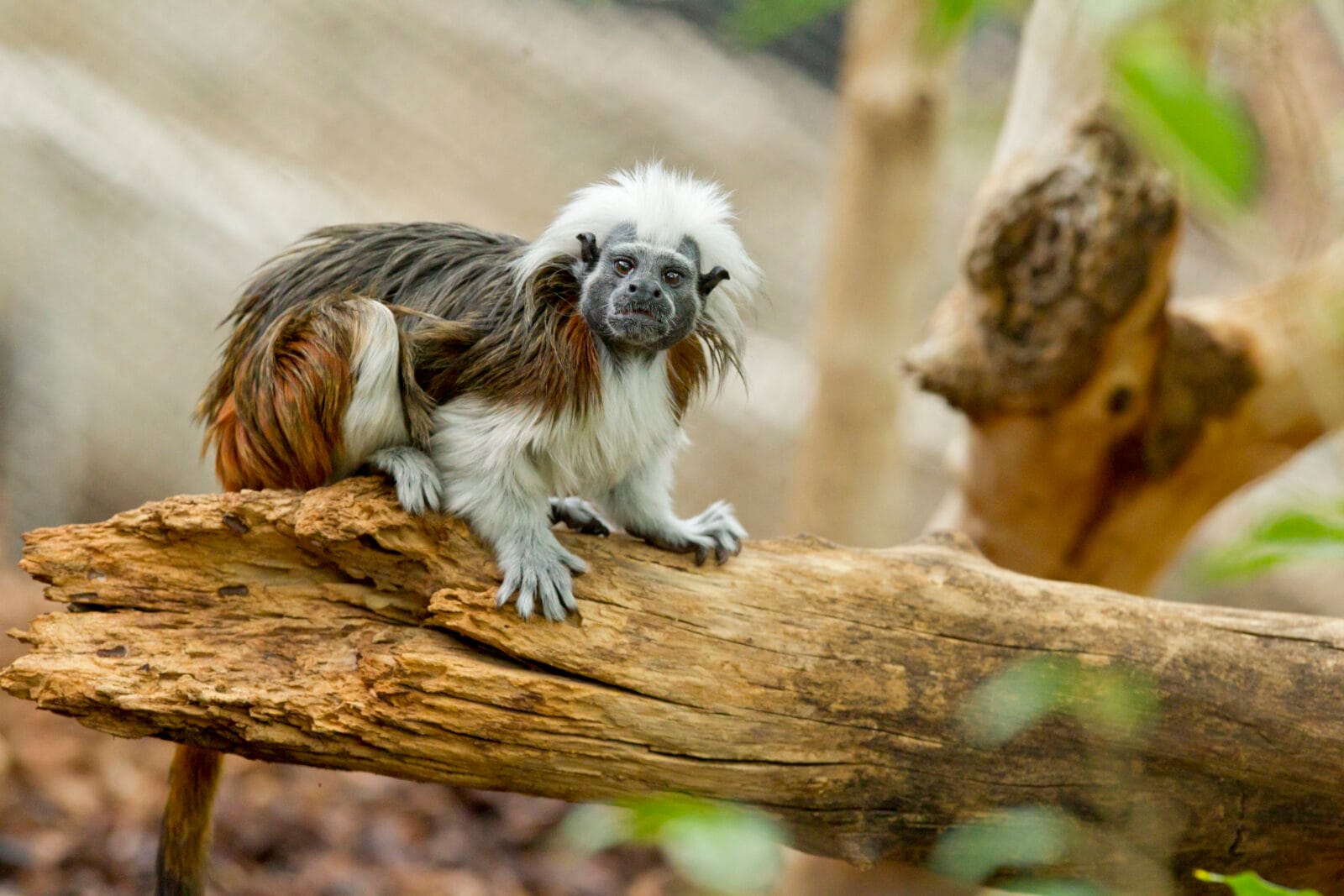
Kovler Seal Pool combines above and below-water viewing in its open design. The underwater area features rock formations and kelp, with special lighting that enhances evening visits. On land, seals can move between sunny spots and shaded areas as they prefer. Daily training demonstrations show how keepers use positive reinforcement and favorite treats to encourage seals to participate in health check routines, with visitors able to observe these interactive sessions.
Through four African ecosystems, Regenstein African Journey takes visitors from tropical rainforests to dry deserts. More than two dozen African species live here, including pygmy hippopotamuses, dwarf crocodiles, eastern black rhinoceroses, and African painted dogs. The space features split-level views of terrestrial and aquatic habitats, water features, lush jungle landscaping, and interactive elements like brass animal statues and squishy flooring that imitates damp shorelines.
The award-winning Regenstein Center for African Apes houses endangered chimpanzees and western lowland gorillas in naturalistic indoor and outdoor habitats designed based on behavioral research. The spaces include fallen logs, water features, dozens of trees, and 5,000 feet of artificial vines for climbing. The chimpanzee habitat features functional termite mounds, while behind-the-scenes areas support Project ChimpCARE and great ape cognition research conducted by the Lester E. Fisher Center for the Study and Conservation of Apes.
Protecting Wildlife
Lincoln Park Zoo operates one of the country's largest zoo-based conservation and science programs. Research teams study urban wildlife usage, conduct conservation work in African savannas and forests, monitor animal behavior to improve welfare standards, and collaborate on projects spanning from Chicago to the Republic of Congo.
The zoo's Urban Wildlife Institute has documented the remarkable recovery of North American river otters in Illinois. Once endangered by the late 1980s due to habitat loss, poor water quality, and overhunting, river otters now thrive throughout all 102 Illinois counties with an estimated population of 15,000. The species has even established populations along the Chicago River, with the Institute capturing their presence on camera for the first time in 2024. River otters serve as keystone species whose populations indicate ecosystem health. Their presence signals healthy aquatic environments that can support diverse wildlife communities.
Since 1868, Lincoln Park Zoo has evolved from simple animal displays into a sophisticated facility balancing entertainment, education, and conservation. The zoo's privately managed status allows operational flexibility while preserving its free admission policy, creating opportunities for families regardless of economic circumstances to connect with wildlife from around the world.
The zoo is located at 2400 North Cannon Drive in Chicago. For events and current information, visit www.lpzoo.org. Can't visit today? View the animals now through the zoo's live cameras at www.lpzoo.org/live-cams/.