Taking the High Road: New Hampshire's Kancamagus Scenic Byway
Connecting Lincoln to Conway, the 34.5-mile Kancamagus Highway winds through pristine White Mountain National Forest as one of America's most spectacular scenic drives. This American Scenic Byway (pronounced "Kank-ah-mah-gus") offers an uninterrupted journey through wilderness that draws visitors year-round.
A Road Through History
The Kancamagus Highway is named after a 17th-century leader of the Penacook Confederacy. Kancamagus "The Fearless One" was the grandson of Passaconaway "Child of the Bear," who united 17 Native American tribes across central New England in 1627 to form the Penacook Confederacy.
Passaconaway ruled until 1669, passing leadership to his son Wonalancet, who governed until 1684 when Kancamagus became the third and final leader of the confederacy. Despite his grandfather's legacy of peace, Kancamagus faced increasing conflict with English settlers around 1690 and ultimately led his people north toward the Canadian border region.
The highway itself began as two separate town roads - one in Lincoln and another in Passaconaway, with the latter completed in 1837. These roads were extended and connected in 1937, but the highway didn't open to through traffic until 1959. Originally a dangerous dirt road, it was paved in 1964 and remained closed during winter months until 1968, when year-round plowing began.

Natural Wonders and Protected Wilderness
The highway passes through the 800,000-acre White Mountain National Forest, established under the Weeks Act of 1911 and protected since 1918. This vast wilderness provides areas for recreation and visitor enjoyment while serving as a vital wildlife habitat and maintaining the region's largely undeveloped character.
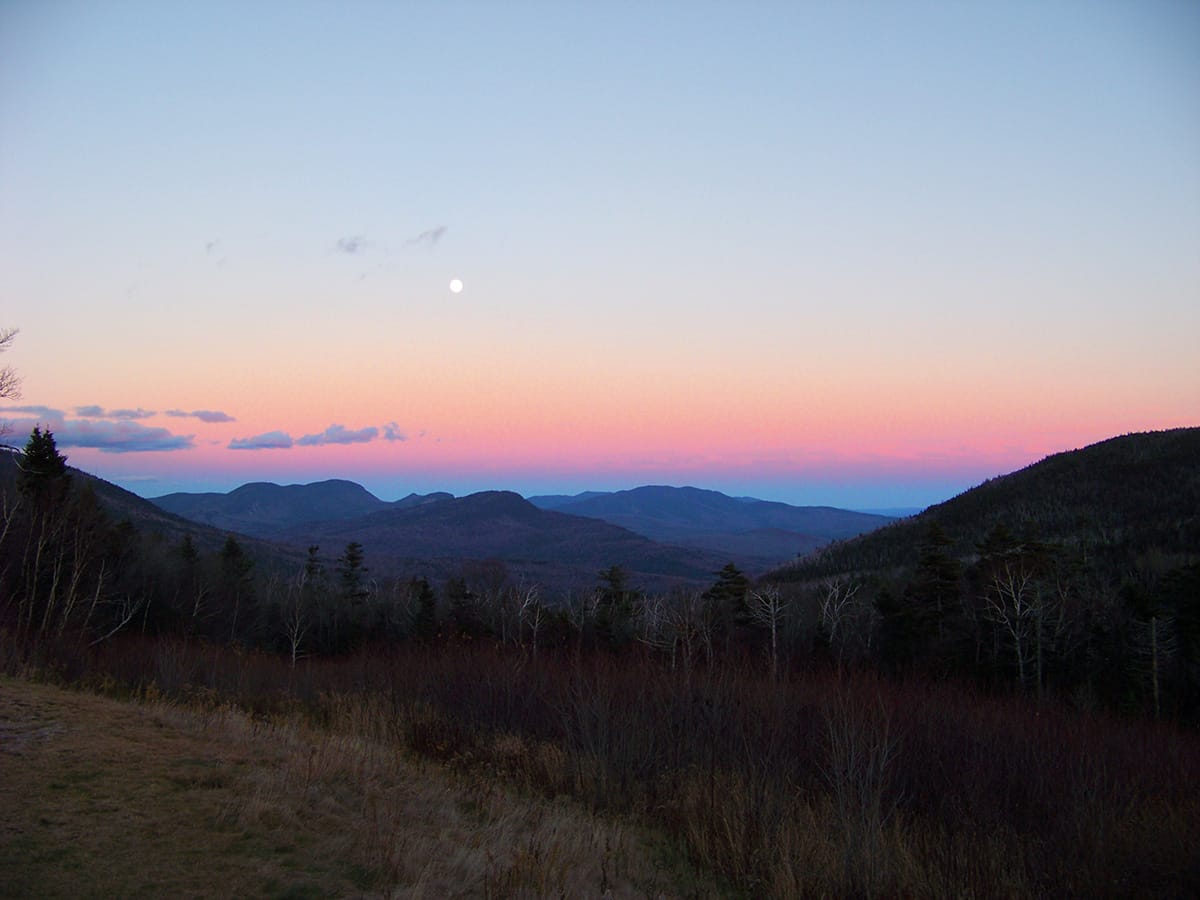
The Kancamagus climbs to nearly 3,000 feet at Kancamagus Pass, offering breathtaking views of the White Mountains while following the Swift River through much of its length. The highway maintains its wilderness character with no commercial development - gas stations, restaurants, and hotels are available at both ends but not along the 34.5-mile stretch itself.
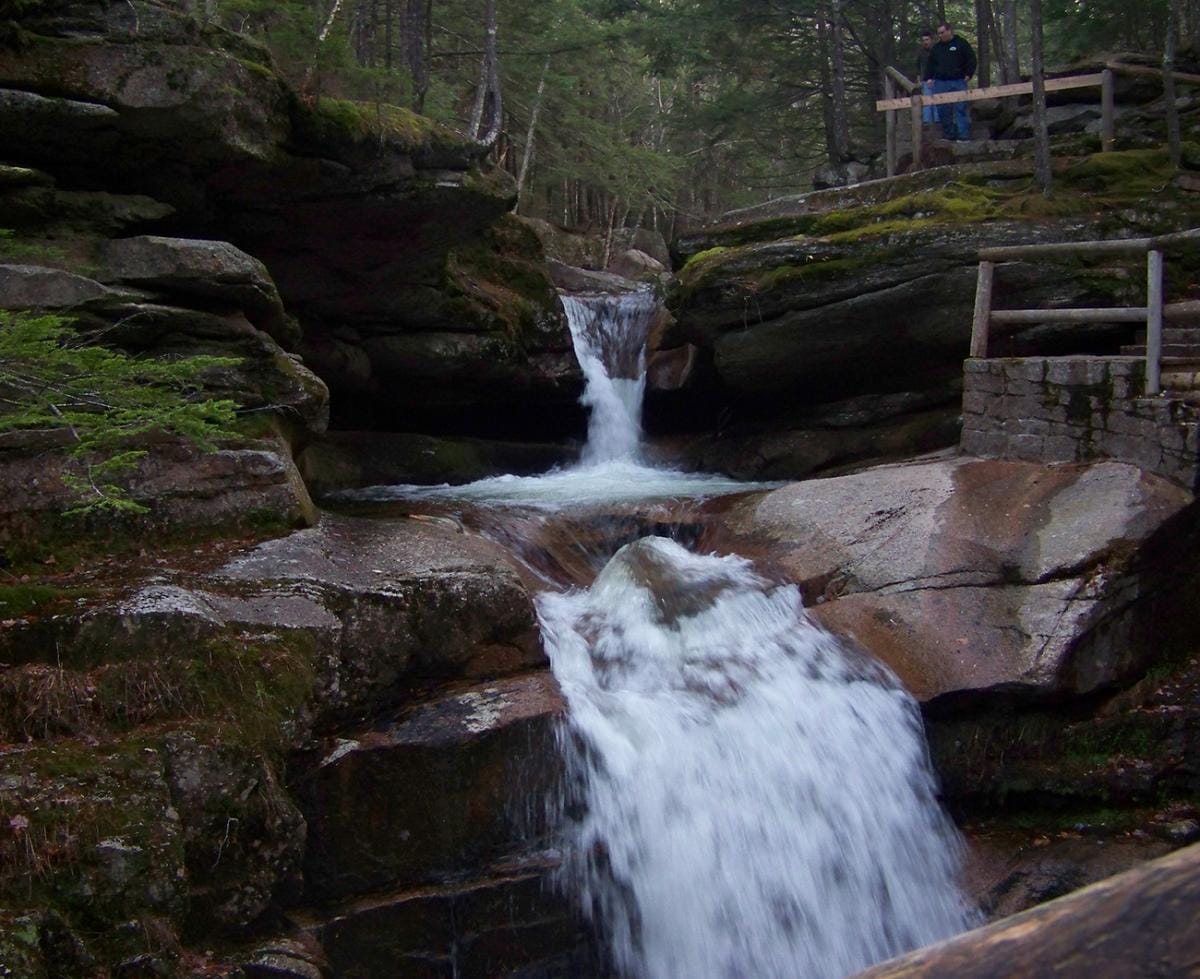
Four waterfalls make popular stops along the highway. One of New Hampshire's most visited waterfalls, Sabbaday Falls, features a 45-foot drop with an accessible gravel pathway, wooden rails, and stairways. The hike takes about 1.5 hours including viewing time, with informational postings along the trail. Swimming is not allowed, but picnic areas and bathrooms are available near the parking area.
Carved by glaciers, Rocky Gorge offers a powerful 10-foot drop with rapids rushing through the narrow channel. An easy, accessible walk from the parking lot leads over a footbridge across the Swift River, where visitors can stand directly above the gorge. Continuing past the gorge leads to the picturesque Falls Pond, surrounded by dense forest.
During summer months, Lower Falls becomes especially popular as a swimming spot when the Swift River current calms and water temperatures rise. The area includes picnic tables, outdoor grills, and bathroom facilities near parking.
About 70 feet of cascades make up Champney Falls, which are spectacular during high water but slow to a trickle in dry weather. The best viewing follows rainfall or during late spring snowmelt. The round-trip hike takes about 2.5 hours.
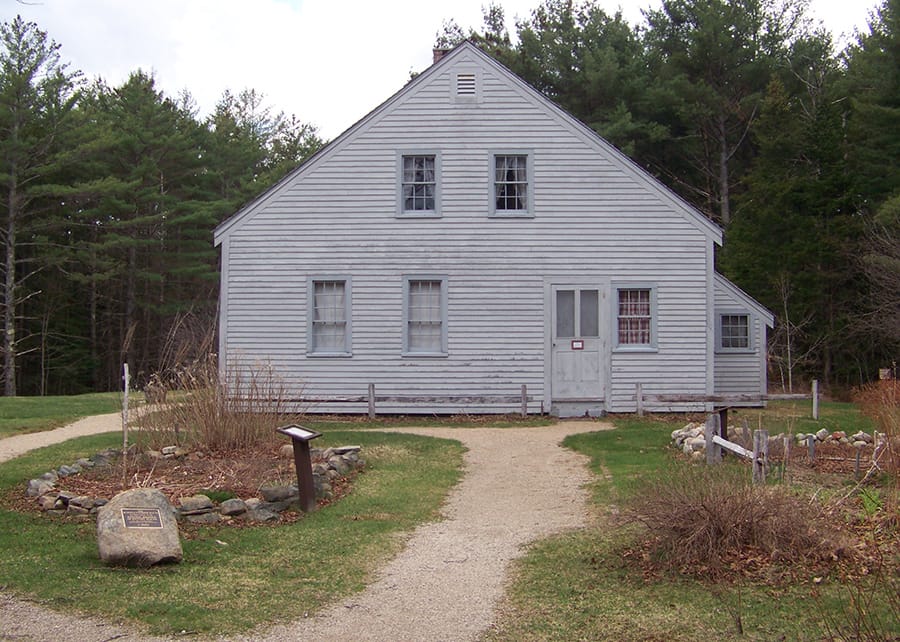
Along the route, the Russell-Colbath Homestead provides a window into 19th-century mountain life. Built in the early 1830s by Thomas Russell and his son Amzi, this National Register property was purchased by the US Forest Service in 1961 for preservation and education. Visitors can explore the historic home with period interpreters in authentic clothing and see household items that illustrate daily life in the early to mid-1800s.
Wildlife Watching Opportunities
While many visitors hope to spot moose along the Kancamagus, success requires patience and timing. The best opportunities occur around sunrise and sunset - plan to arrive 1-2 hours before these times and stay 1-2 hours after. Fall offers the highest likelihood of moose sightings during September and October rutting season, when males venture beyond their normal territories seeking mates.
However, fall also brings the heaviest crowds, particularly during the first two weeks of October when foliage peaks. Weekend traffic and crowds tend to keep wildlife away from the roadway, so weekday visits during early morning or evening hours provide the best chances for animal encounters.
Planning Your Journey
The drive takes under an hour without stops, but most visitors should plan 2-3 hours to experience key attractions. Many people easily spend an entire day exploring hiking trails, photographing waterfalls, and picnicking at scenic overlooks. Six campgrounds along the route accommodate visitors who want to extend their stay. Dogs are welcome on leash throughout the forest areas.
Fall foliage season runs from mid-September through early October, with peak colors typically occurring during the first two weeks of October when the forest displays spectacular reds, oranges, and golds. During this time, expect heavy traffic and crowded parking areas at popular stops.
Several tour companies offer bus excursions from southern New England states, providing luxury transportation with amenities for those who prefer not to drive. These tours often combine the Kancamagus with other New England destinations and range from day trips to week-long packages.
Since no services exist along the route, fill your gas tank and bring snacks and water before starting your journey. The highway remains open year-round, though winter conditions can be challenging. Spring and summer offer excellent hiking opportunities with fewer crowds, while fall provides the famous foliage display that attracts hundreds of thousands of visitors annually.
For more information about the Kancamagus Highway, visit www.kancamagushighway.com.