Joshua Tree: Two Deserts, One Extraordinary Park
Joshua Tree National Park in Southern California stands out because it sits at the meeting point of the Mojave and Colorado deserts, each with unique plants and animals. The park is one of the most diverse and beautiful places in the American Southwest, attracting over three million visitors every year and ranking among the ten most-visited national parks in the country. Whether you enjoy hiking, climbing, birdwatching, stargazing, horseback riding, or camping, there is something here for everyone. With 150 miles of trails, 8,000 climbing routes, and International Dark Sky status, visitors have many ways to explore. The park’s strong winds, occasional desert rains, rich cultural history, and unusual rock formations make it even more special.
Two Ecosystems, One Park
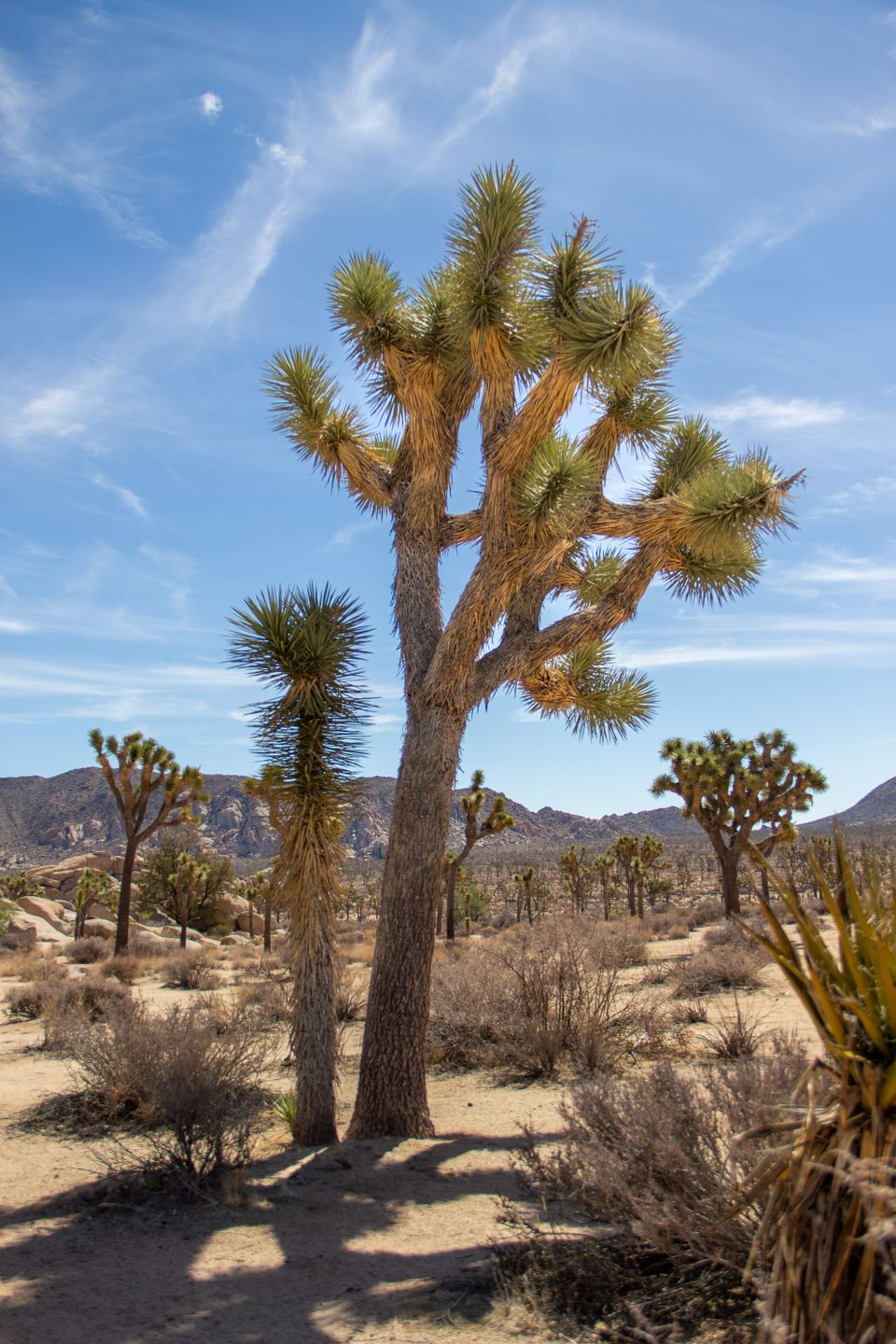
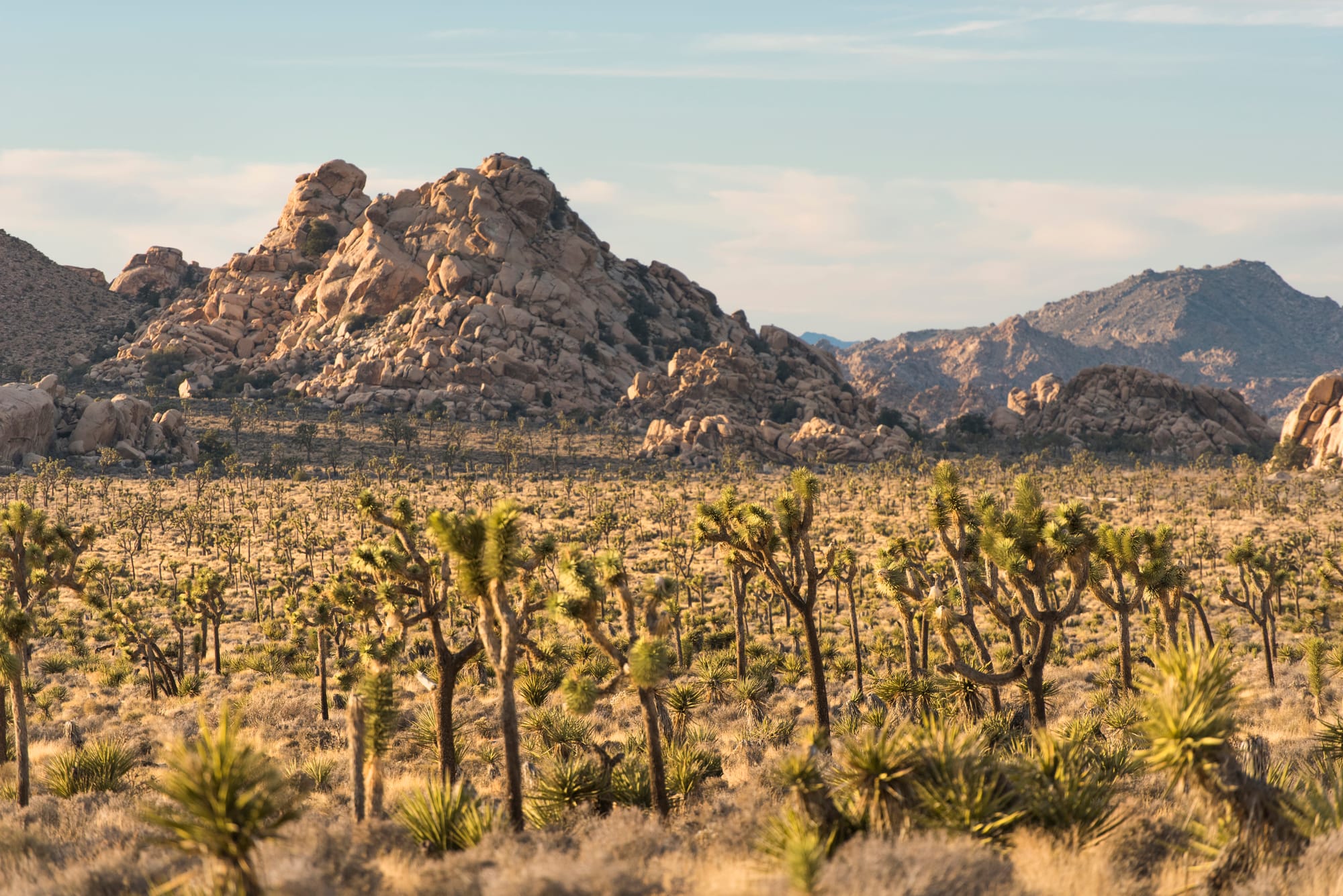
The higher elevations of the park are part of the Mojave Desert, where the iconic Joshua tree, a member of the agave family that can live for hundreds of years, dominates the landscape. Twisted, sculptural, and unlike anything else in the plant kingdom, Joshua trees give the park its name and its most recognizable silhouette.
Drop in elevation and the landscape shifts. The lower Colorado Desert is hotter, drier, and defined by a different cast of plants: cholla cactus, ocotillo, and smoke trees replace Joshua trees, creating terrain that feels ancient and elemental. The transition between the two ecosystems is one of the park’s quiet marvels worth seeking out on its own.
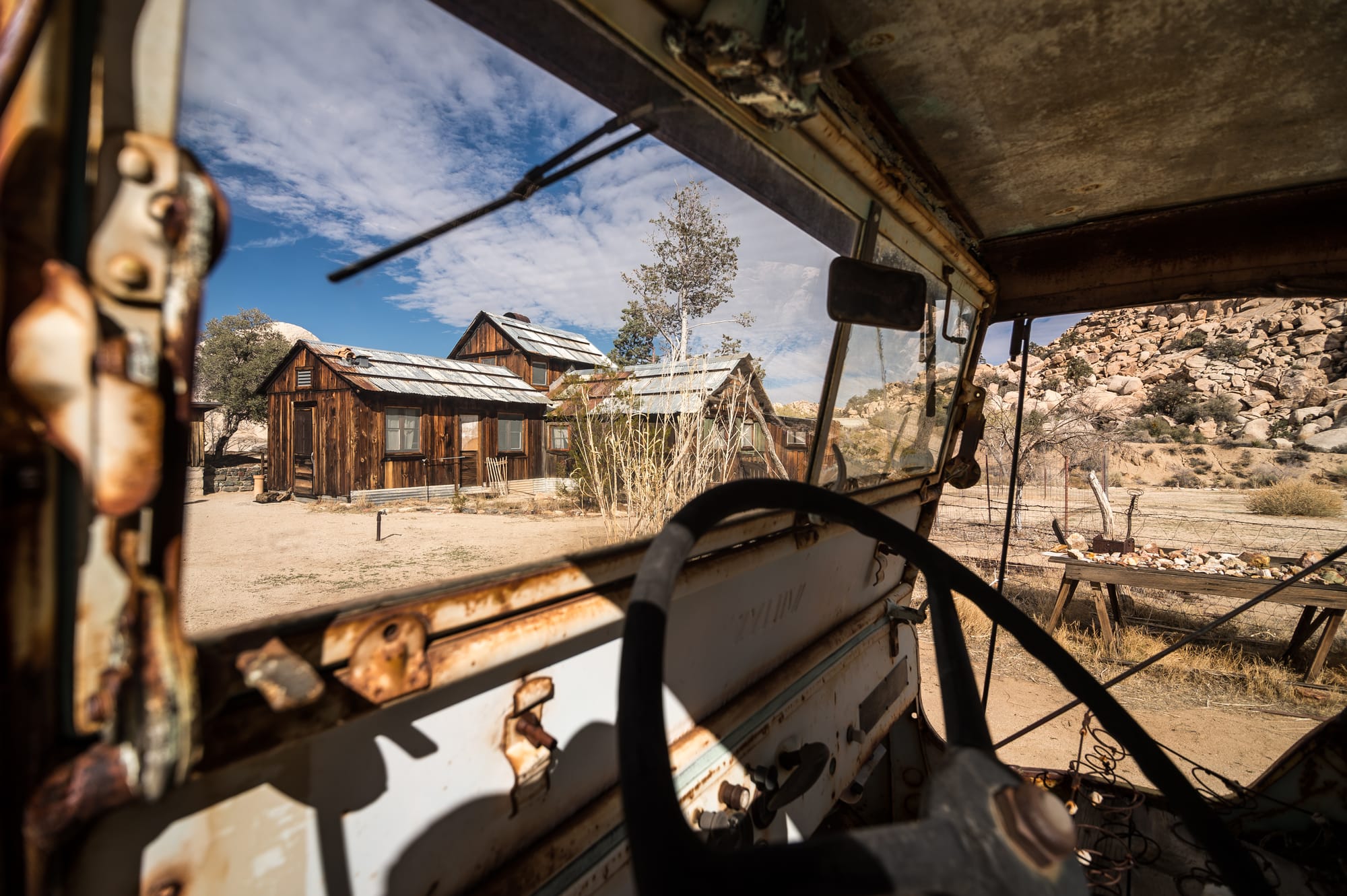
On the Trails
Joshua Tree offers more than 150 miles of hiking trails ranging from short, accessible walks to multi-day wilderness routes. Here are some highlights:
For an easy introduction, the Cap Rock loop covers less than half a mile through boulder formations and desert plants. The Hidden Valley loop, just over a mile long, winds through a rock-walled valley with a colorful history. Barker Dam, also about a mile, passes a water tank built by early cattle ranchers and offers good opportunities to spot bighorn sheep.
For moderate hikers, Lost Horse Mine is a four-mile out-and-back trail to one of the park’s most historically significant gold mining sites. Ryan Ranch, a gentle mile-long walk along an old ranch road, leads to a preserved adobe structure with views of the mountains.
Those looking for a challenge should consider Ryan Mountain, a three-mile round trip with over 1,000 feet of elevation gain and sweeping views from the summit. The Boy Scout Trail covers eight miles through the Wonderland of Rocks, one of the park’s most otherworldly landscapes, and is best done as a one-way hike with a vehicle shuttle.
A few important notes: no food, water, or gasoline is available anywhere in the park, so arrive fully stocked. Pets are not allowed on any trails except the paved Oasis of Mara path. Hiking apps and crowd-sourced trail information can be unreliable. The NPS app offers free offline maps and accurate trail details worth downloading before you lose cell service.
Climbing and Bouldering
Joshua Tree is a world-renowned climbing destination, attracting climbers and boulderers from across the globe. The park’s monzogranite formations offer more than 8,000 climbing routes and 2,000 boulder problems, with challenges suited to every ability level. If you are new to climbing or want to develop your skills, guided instruction is available from permitted guides who hold the highest levels of rock-guiding certification. When hiring a guide, confirm they are permitted to operate within the park.
The Night Sky
Joshua Tree is a designated International Dark Sky Park, recognized for some of the darkest nights in southern California. Away from the light pollution of surrounding communities, the Milky Way is visible to the naked eye on clear, moonless nights, an experience that stops most people in their tracks.
Four designated stargazing areas are located at the parking lots of Quail Springs, Hidden Valley, Cap Rock, and Ryan Mountain. A few practical tips: use red lights only to preserve your night vision, which takes 20 to 30 minutes to develop. Dress in layers because desert temperatures drop sharply after sunset. Check the moon’s phase before you go, as a full moon will wash out many fainter stars. The park also hosts an annual Night Sky Festival with programming for all ages.
Birds and Wildlife
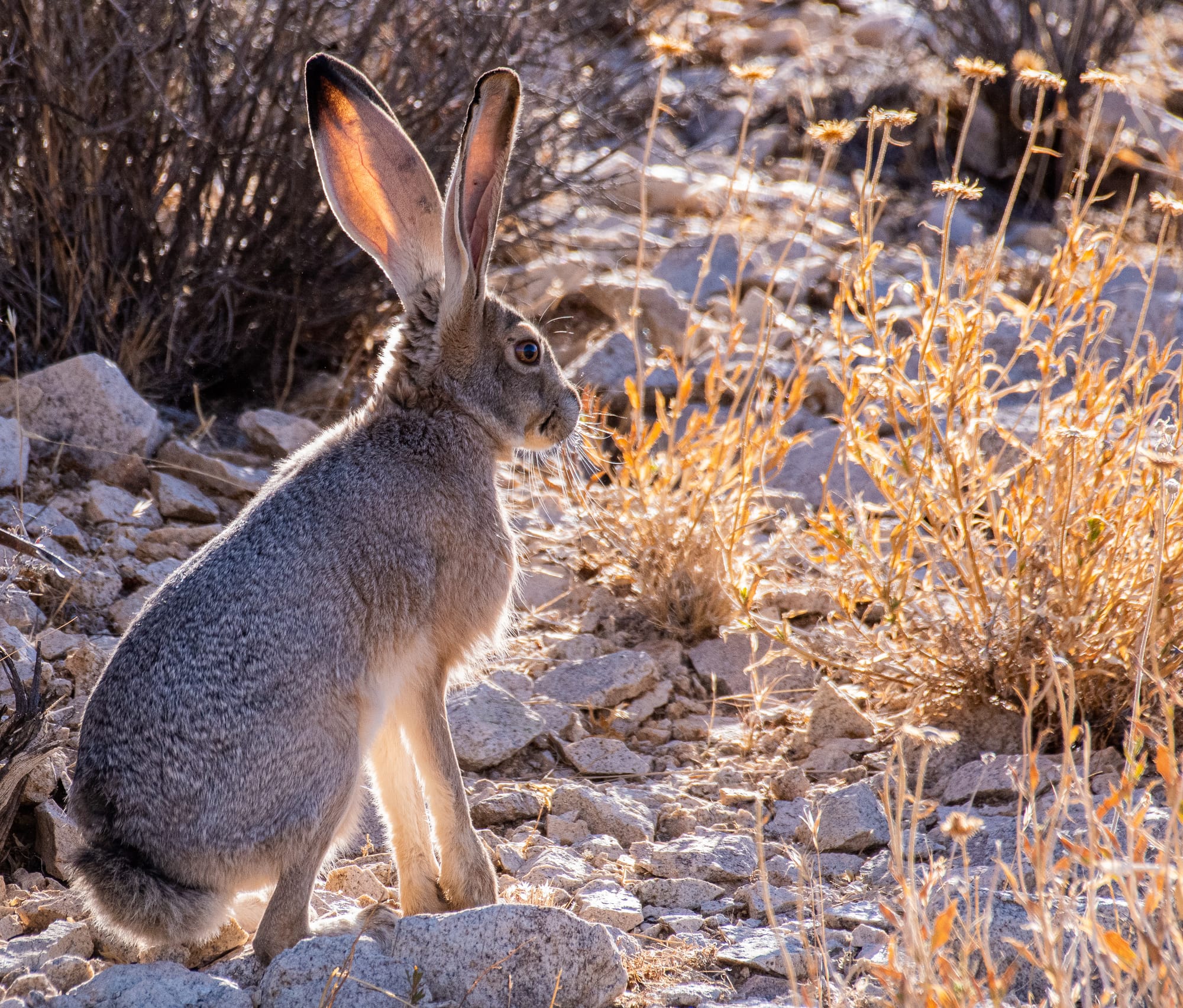
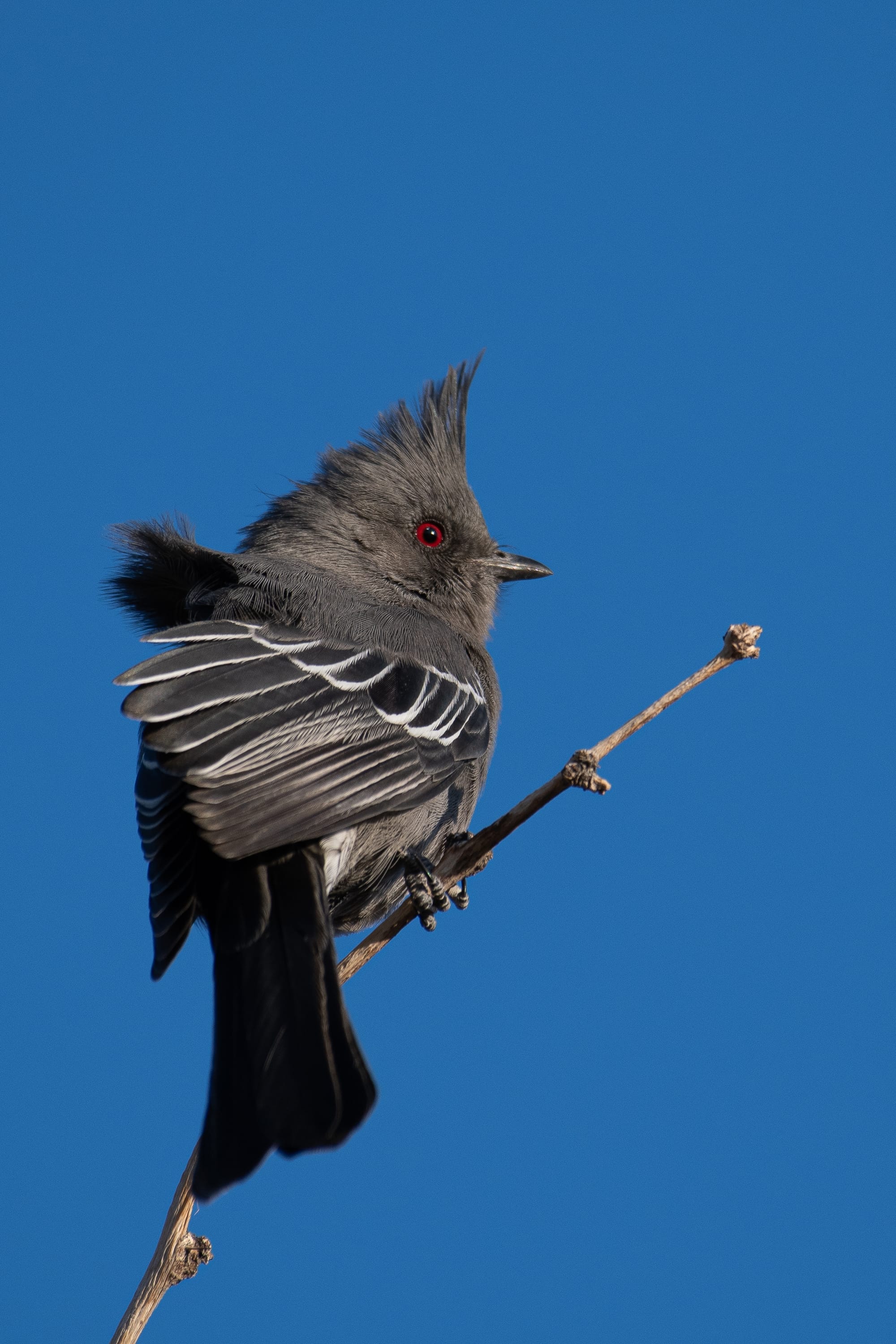
The convergence of two desert ecosystems makes Joshua Tree a remarkably productive destination for birdwatchers. Year-round residents include the greater roadrunner, cactus wren, Gambel’s quail, phainopepla, and Le Conte’s thrasher, along with several resident raptors, including the prairie falcon and red-tailed hawk.
Winter brings white-crowned sparrows, dark-eyed juncos, cedar waxwings, and hermit thrush. Come spring, the park fills with nesting species, including Scott’s oriole, western bluebird, and ash-throated flycatcher. Migration season delivers waves of colorful warblers, including Wilson’s, Nashville, yellow, and black-throated gray, as well as western tanagers, black-headed grosbeaks, and lazuli buntings.
Fan palm oases and water sources are the most reliable spots for bird activity. The Oasis of Mara in Twentynine Palms, Cottonwood Spring, and Lost Palms Oasis are all worth visiting. In spring, groups of turkey vultures sometimes number in the hundreds at the Oasis of Mara, spreading their wings in the early morning sun in a spectacle that is hard to forget.
Wildflowers
Spring transforms the desert floor. Wildflowers bloom low to the ground, conserving energy in harsh conditions, so slow down and look carefully. Staying on designated trails is essential because desert soils are fragile and take years to recover from foot traffic. The blooms are worth photographing but should never be picked because it is prohibited and each flower represents future seeds.
Getting There and Getting Around
Joshua Tree National Park is open around the clock, every day of the year. The park has three entrance stations: the North Entrance in Twentynine Palms, the West Entrance in the town of Joshua Tree, and the South Entrance off Interstate 10. The West Entrance sees the most traffic and the longest waits. Purchasing your pass in advance at recreation.gov is strongly recommended during busy periods.
Nearly 85 percent of the park’s 515 campsites require reservations, bookable up to 6 months in advance at recreation.gov. The remaining sites are first-come, first-served and fill quickly, often by midday on Fridays. Parking lots at popular sites, including Hidden Valley, Barker Dam, and Keys View, can reach capacity and close temporarily during peak periods.