US-Canadian Friendship Flourishes at the International Peace Garden
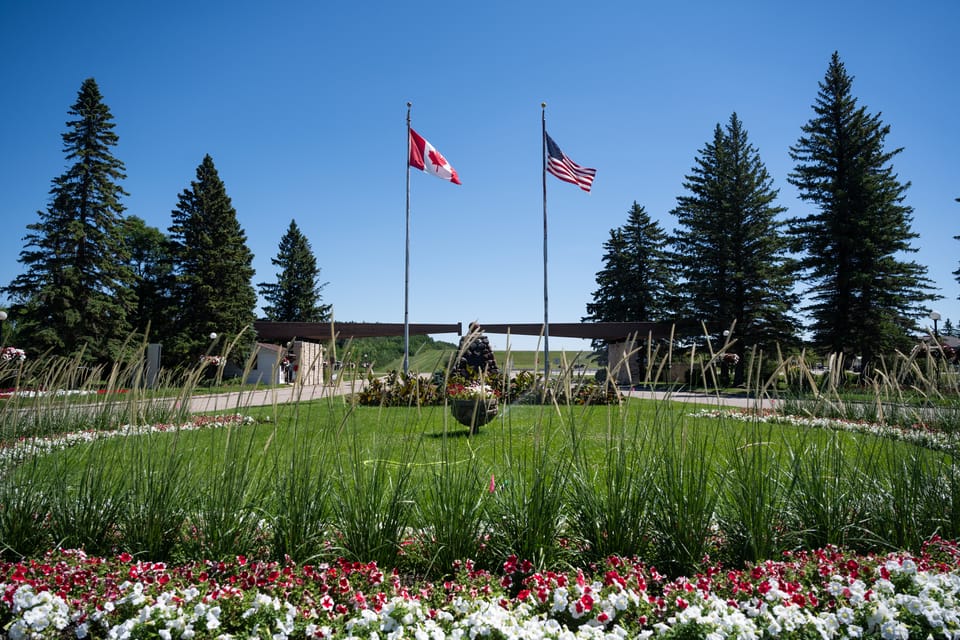
Straddling the border between North Dakota and Manitoba, the International Peace Garden stands as a living monument to cooperation between nations. Nearly 2,400 acres of maintained grounds show what is possible when countries choose friendship over division. Since its dedication in 1932, this destination has welcomed visitors to experience gardens that belong equally to the United States and Canada.
The concept came from Dr. Henry J. Moore of Islington, Ontario, who envisioned a garden on an international boundary where people could gather to celebrate shared interests and lasting friendship. In 1928, he brought his idea to the National Association of Gardeners, who approved the plan. The organization selected a site near the center of North America, and on July 14, 1932, an estimated 50,000 people traveled from both countries to witness the groundbreaking ceremony.
The Garden became reality through generosity. Manitoba contributed 1,451 acres while North Dakota purchased and donated 888 acres along the boundary. A Minneapolis landscape architect turned vision into design, and by 1934, operations were underway. The Civilian Conservation Corps arrived to perform the physical labor of transforming prairie and forestland into cultivated gardens.
These early years brought challenges. The Garden was born during the Great Depression and its formative period spanned World War II. Yet despite economic hardship and conflict, the Garden persevered, serving as a beacon showing that friendship between nations could survive and strengthen during difficult times.
Gardens and Landscapes
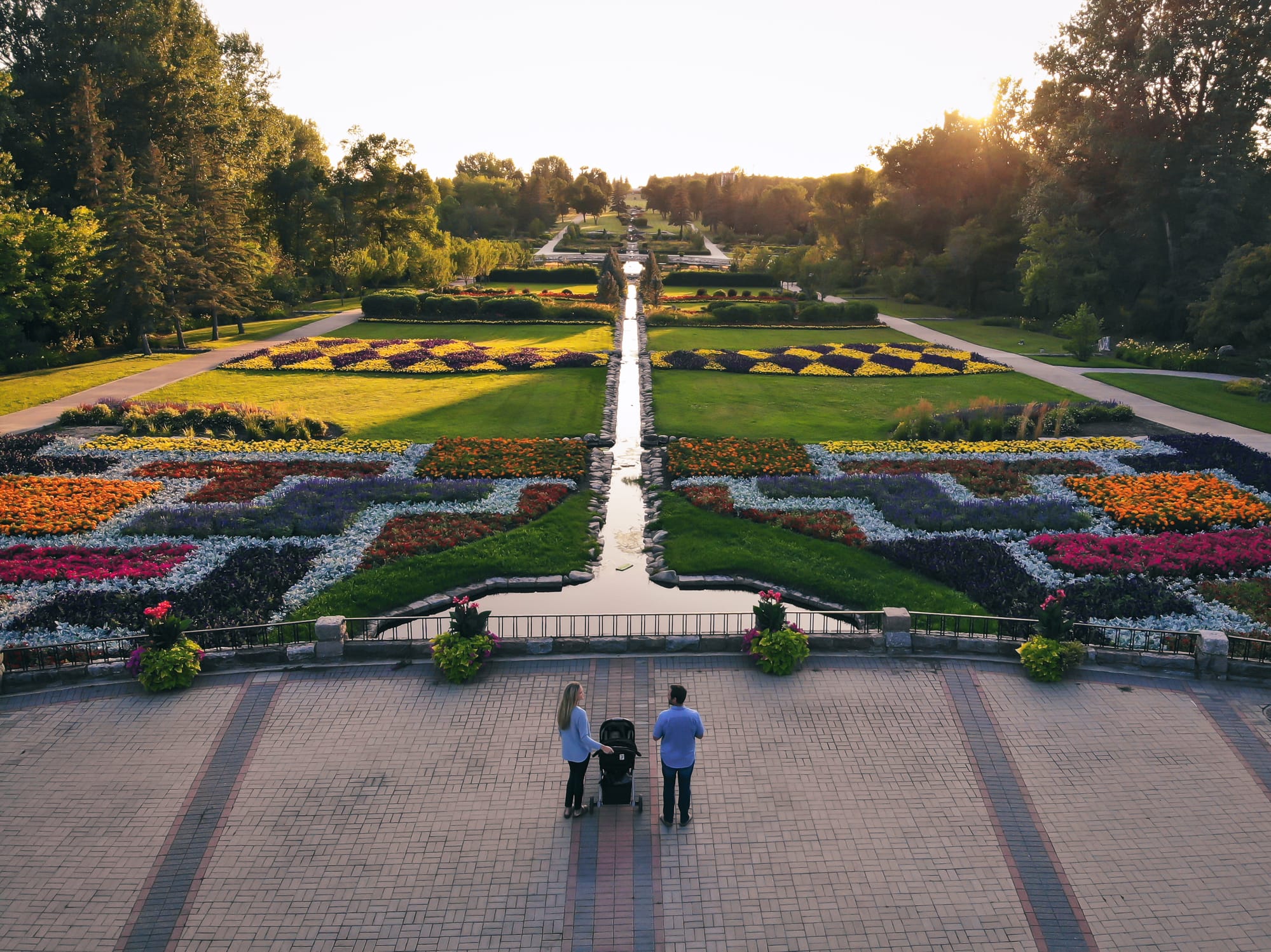
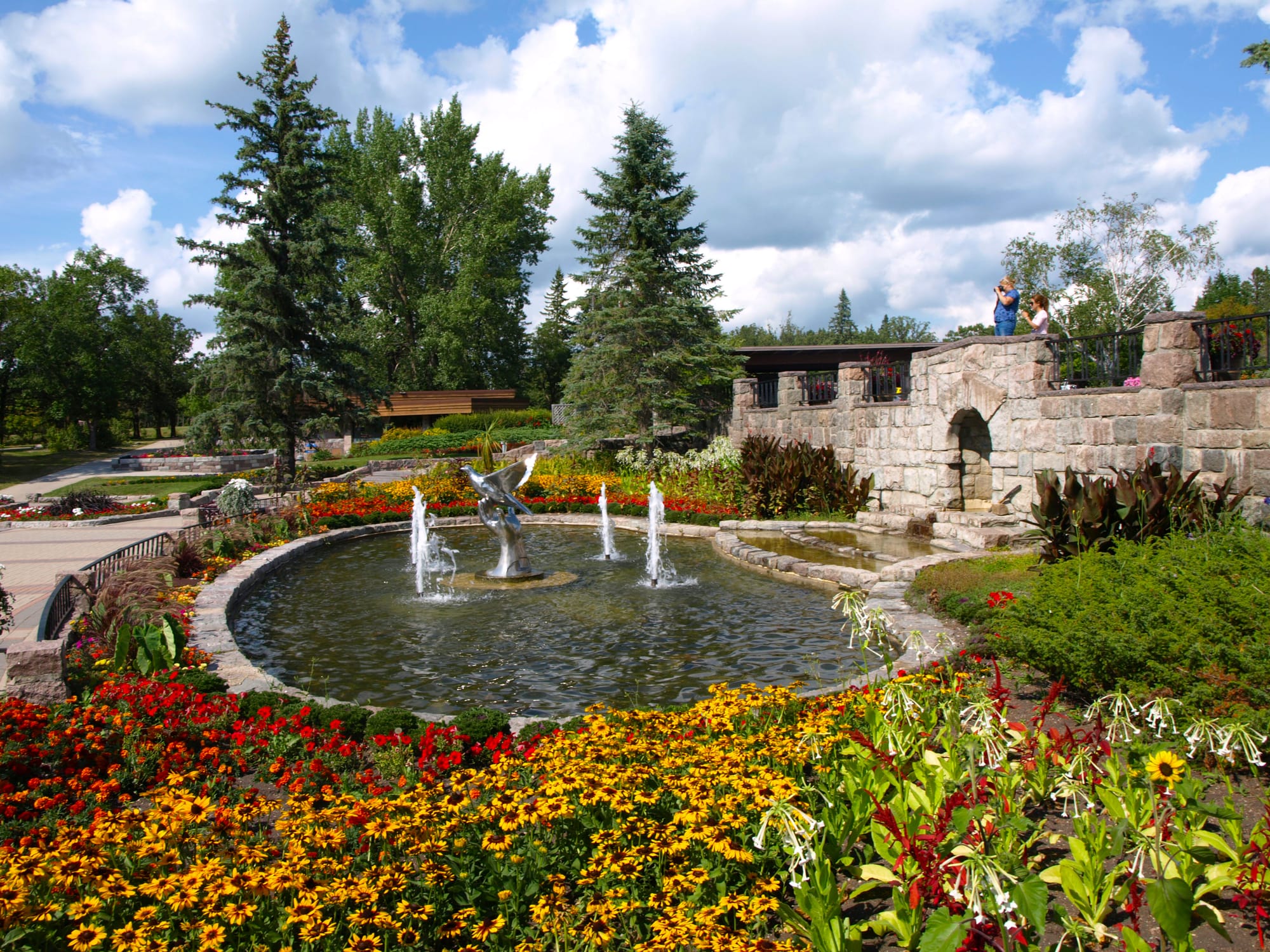
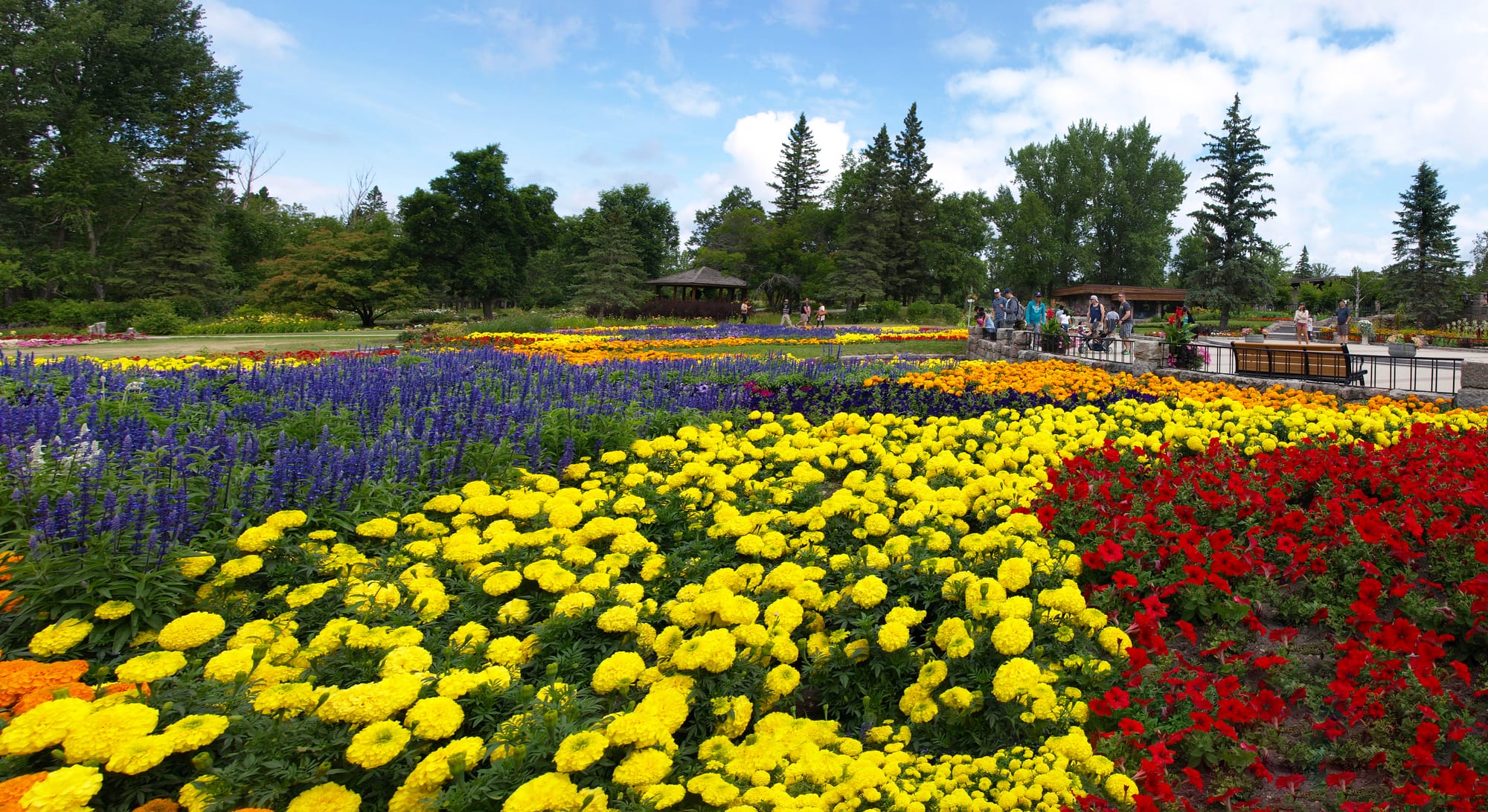
Today's International Peace Garden features more than 80,000 flowering annuals and perennials in its formal gardens. The planned beds showcase pollinator gardens, a working kitchen garden that supplies fresh produce to the on-site café, and an All-American Selection Garden, one of only three testing sites nationwide for new seed varieties. Terraces, fountains, and sculptures create visual interest throughout the grounds. The progression of blooms ensures something new captures attention each week during the growing season.
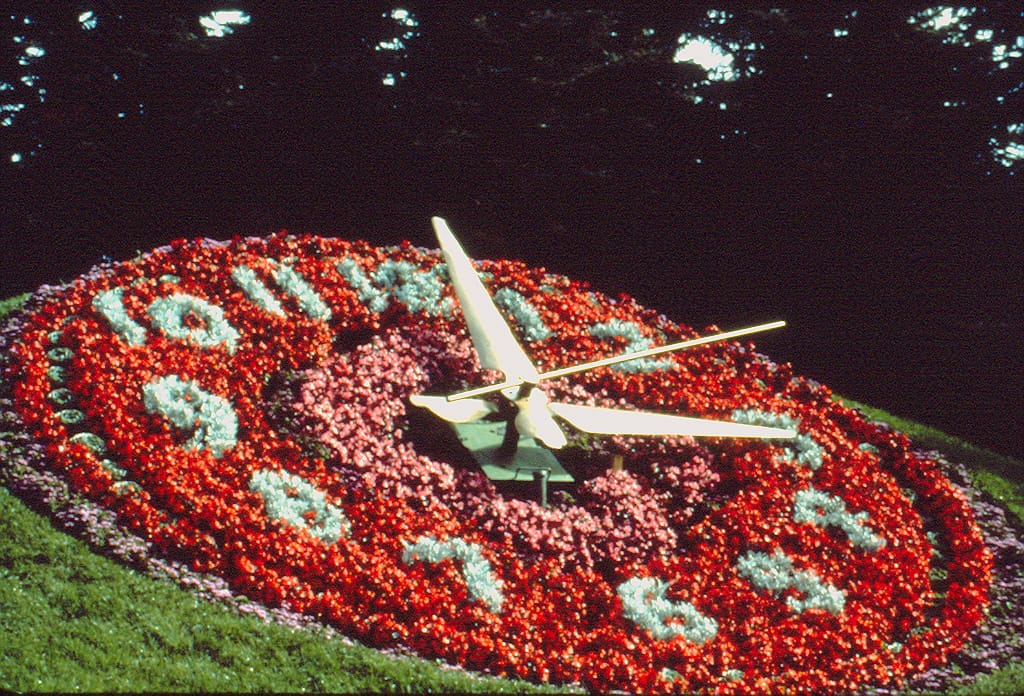
The iconic Floral Clock draws attention as one of the Garden's most photographed features. Standing 18 feet in diameter, the clock displays a unique floral design each year, requiring 2,000 to 5,000 plants depending on the pattern. The original timepiece came from the Bulova Watch Company in 1966 as a duplicate of the famous floral clock in Berne, Switzerland. A replacement from St. Louis, Missouri was installed in 2005, continuing this tradition.
The Sunken Garden anchors the formal plantings with its octagonal pond flanked by two reflecting pools supported by the North Dakota Homemakers and the Manitoba Women's Institute. All three water features remain active, creating movement and sound in the Garden. Octagonal walkways wind through plantings of trees, shrubs, and flowers that circle the pond. Stone garden houses financed by the North Dakota and U.S. National Homemakers' Clubs mark the Avenues of America and Canada along the north and south pathways.
While mid-July through August offers peak bloom viewing for the 80,000 flowers planted each June, the Garden maintains its beauty throughout all seasons. The Turtle Mountains provide a stunning backdrop, and the selected perennials ensure continuous color as different varieties bloom from spring through fall.
Notable Structures
The Peace Chapel is the Garden's most significant architectural achievement. Built in 1968 from Manitoba limestone, this stone structure features imported French colored glass panels and walls inscribed with peace quotations from international leaders. Anchoring the west end of the Formal Garden, the chapel welcomes visitors for formal gatherings or quiet contemplation about a world at peace.
The Historic Lodge serves as a monument to the Garden's early days. Constructed after the initial barracks that housed Civilian Conservation Corps workers, the lodge remains in active use today. Among more than 200 structures within the Garden's boundaries, the Willis Pavilion holds distinction as the only building on the Canadian side. Erected in 1967 as part of the Canadian Centennial Project, it provides meeting and event space.
The Carillon Bell Tower provides music across the grounds, while the Dedication Cairn marks the original commitment both nations made to maintaining this peaceful space. These structures, along with others, create waypoints for exploration throughout the acreage.
The Conservatory and Collections
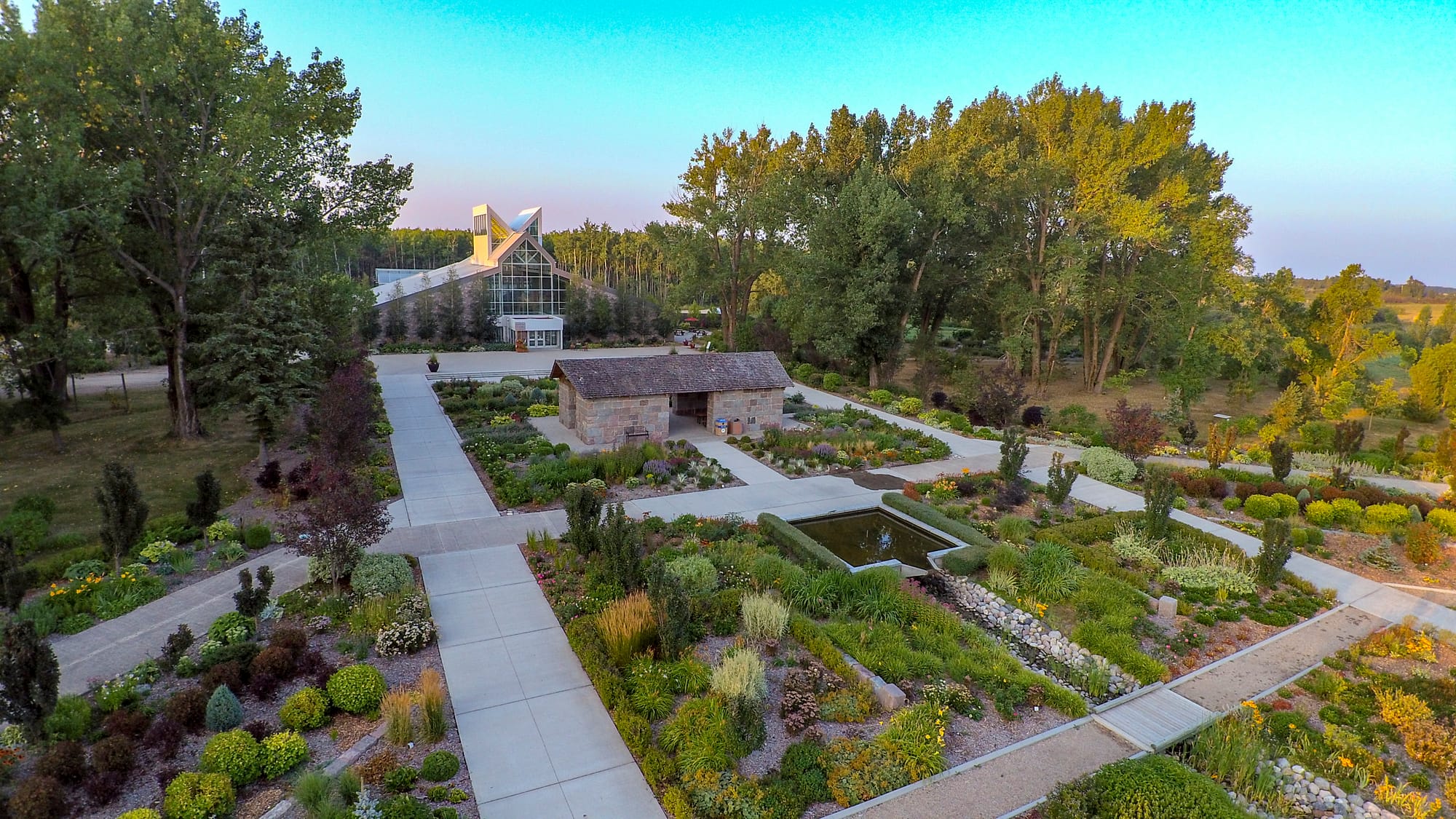
The Conservatory is one of the Garden's newest and most popular destinations. This building houses the Vitko Collection, recognized as one of the world's most diverse indoor collections of cacti and succulents. Named for longtime Minot resident Don Vitko, the collection represents more than 50 years of gathering before his 2010 donation to the Garden.
The 5,000-plus species include rare and endangered varieties from around the globe, providing an educational platform about conservation's importance. These lessons align with the Garden's peace mission. Conservation promotes peace by valuing and protecting living things and working to create sustainable environments where they can thrive.
Beyond the cacti collection, the Conservatory contains a horticulture library, café, and gift shop featuring local art and collectibles, making it a destination within the larger garden complex.
Memorial and Activities
In 2010, Rotary International, the North American Firefighters Union, and Manitoba Infrastructure donated a 9/11 Memorial incorporating iron remnants from the collapsed World Trade Center towers. Each year, the Garden hosts a memorial service open to all visitors, beginning at 11 AM on the anniversary date.
Activities span all seasons. Summer visitors enjoy hiking and biking trails, canoeing and kayaking, and the Children's Nature Play Area. The grounds include picnic areas for those bringing meals. Winter transforms the landscape into cross-country skiing terrain, ensuring year-round accessibility.
Guided tours provide insight into the Garden's history, design, and plant collections. The café serves meals prepared with ingredients from the kitchen garden, while the gift shop offers souvenirs celebrating this international collaboration.
Planning Your Visit
Access requires passing through customs at the respective port of entry for each country. Visitors need either a passport or government-issued identification with a birth certificate copy. Day passes cost $10 per person, with children five and under admitted free. Passes may be purchased online or at the gate and remain valid only for the date of purchase. Annual memberships are available for $50, with lifetime memberships offered at $500.
Depending on interests and time, visitors might spend a few hours exploring highlights or dedicate a day to thorough exploration. Some choose to extend their stay across a weekend, taking advantage of the varied landscapes and activities.
The International Peace Garden shows what nations can achieve when they commit to friendship and cooperation. Nearly a century after its dedication, this shared space continues fulfilling Dr. Moore's vision of a place where people from different countries gather to celebrate what unites rather than divides them.
The International Peace Garden is located at 10939 Highway 281 in Dunseith, North Dakota. For more information, visit www.peacegarden.com.