Escape to the Gilded Age at Biltmore Estate
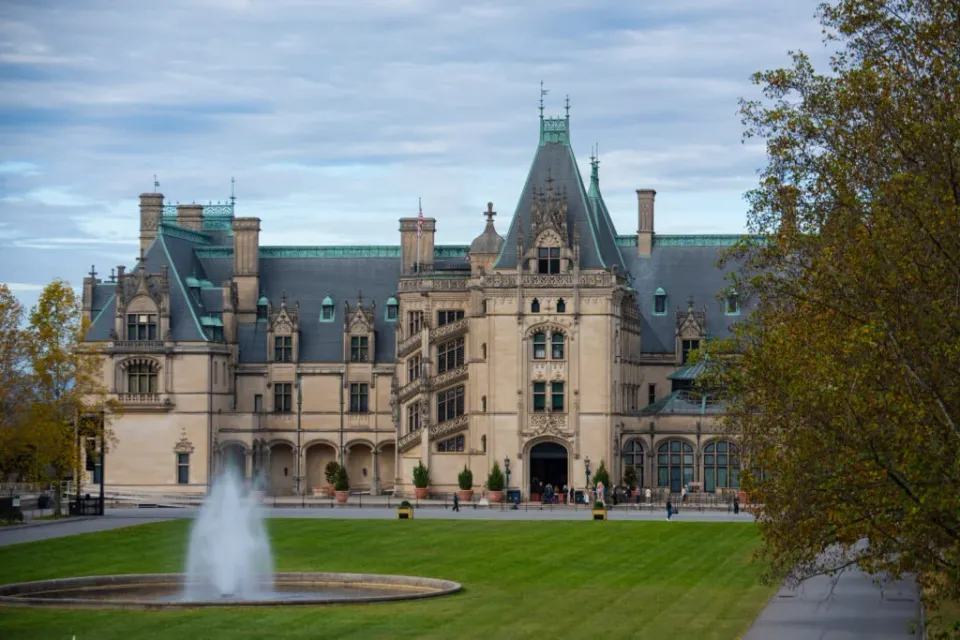
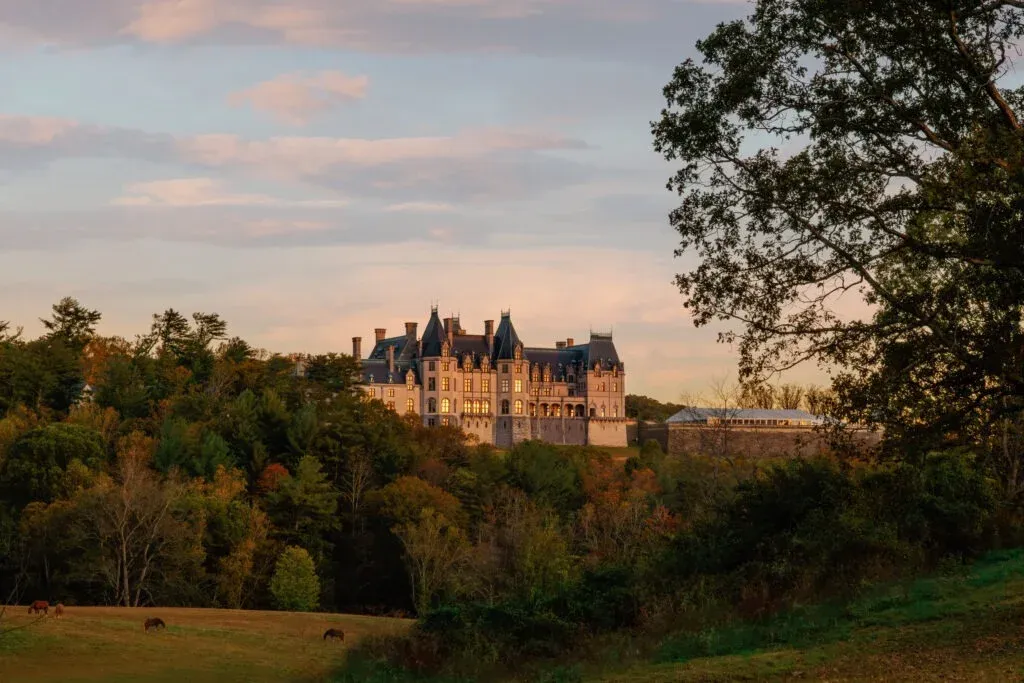
Biltmore Estate in Asheville, North Carolina transports visitors to America’s Gilded Age with the nation’s largest privately-owned home, award-winning wines, and meticulously designed gardens and grounds.
The House
George Vanderbilt visited Asheville in 1887 and saw the Blue Ridge Mountains as the ideal setting for his country estate. He commissioned architect Richard Morris Hunt to design a French Renaissance château, and one thousand craftsmen worked six years to complete the 250-room mansion. The house opened on Christmas 1895 with 11 million bricks, 65 fireplaces, 43 bathrooms, and four acres of floor space.
The mansion was technologically advanced for its era, featuring indoor plumbing with hot and cold water, elevators, central heating, fire alarms, refrigeration, electric lighting, and ten Bell telephones. Today, visitors tour rooms filled with Vanderbilt’s art collection: more than 1,600 prints, furniture from 13 countries, and paintings by Albrecht Dürer, John Singer Sargent, and Pierre-Auguste Renoir.
The Gardens and Grounds
When George Vanderbilt purchased the land for his estate in the 1880s, the property had been heavily farmed and stripped of its forests. He brought in Frederick Law Olmsted, who gained fame designing Central Park in Manhattan, to reimagine the landscape. Olmsted saw potential in the worn land and proposed an ambitious restoration plan to blend formal European garden design near the house with wilder, more natural spaces farther out.
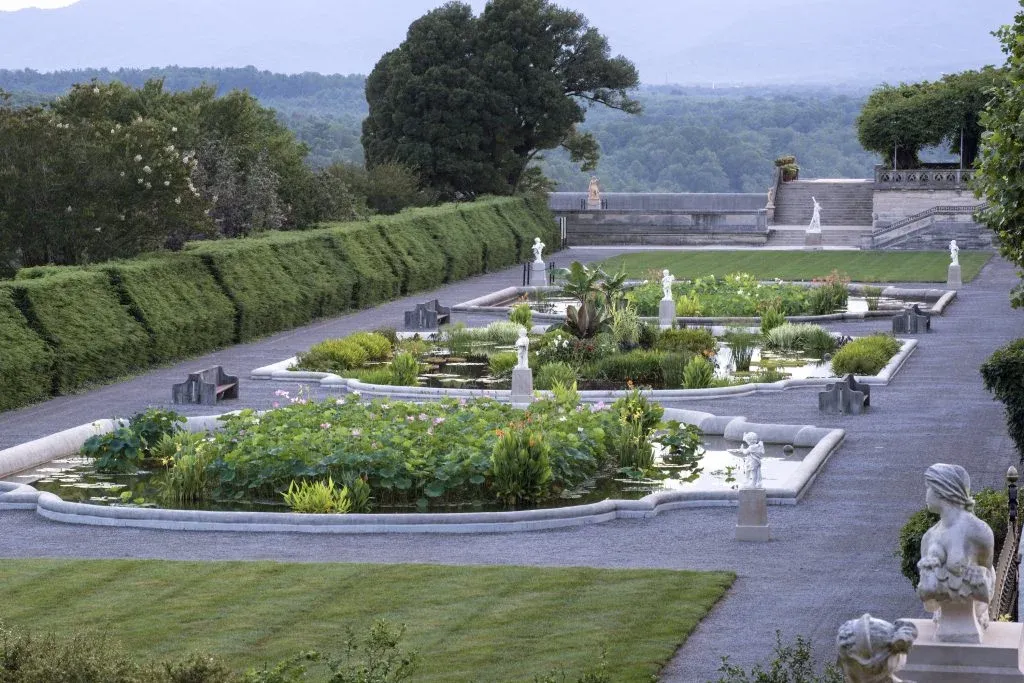
The grounds closest to the mansion follow a structured layout. Manicured gardens with geometric patterns, fountains, and sculptures create an elegant outdoor extension of the French château architecture. As paths lead away from the house, the landscape loosens into meadows dotted with tree groves, eventually giving way to wooded trails that reach the French Broad River.
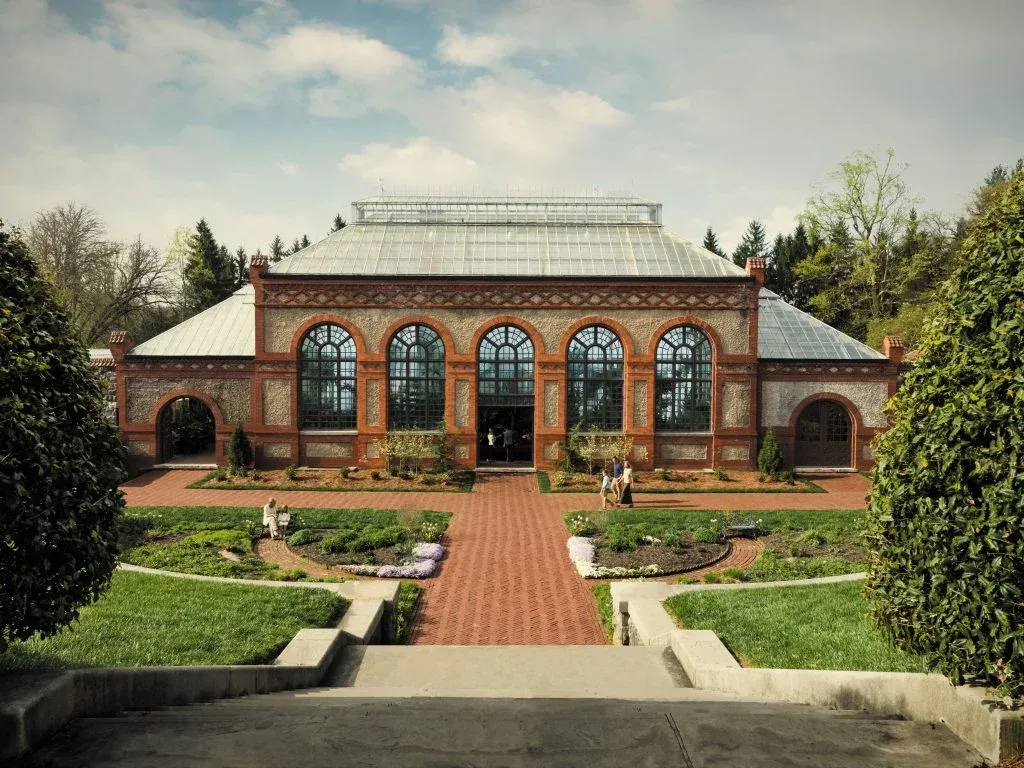
Visitors can walk or bike miles of pathways that showcase this planned transition from refined to rustic. A large glass conservatory built in the 1890s displays rotating collections of tropical and seasonal plants year-round.
The Winery
Biltmore’s winery produces award-winning wines using estate-grown grapes and fruit from select vineyards. The tasting room offers samples and tours, making it easy to combine history with modern wine appreciation.
Planning Your Visit
Biltmore Estate is located at 1 Lodge Street in Asheville, North Carolina. The estate requires advance ticket purchases, which include access to the house, gardens, and winery. Multiple ticket options let visitors customize their experience based on interests and time available. For more information on events at Biltmore, visit www.biltmore.com.