Cooperstown: In a League of Its Own
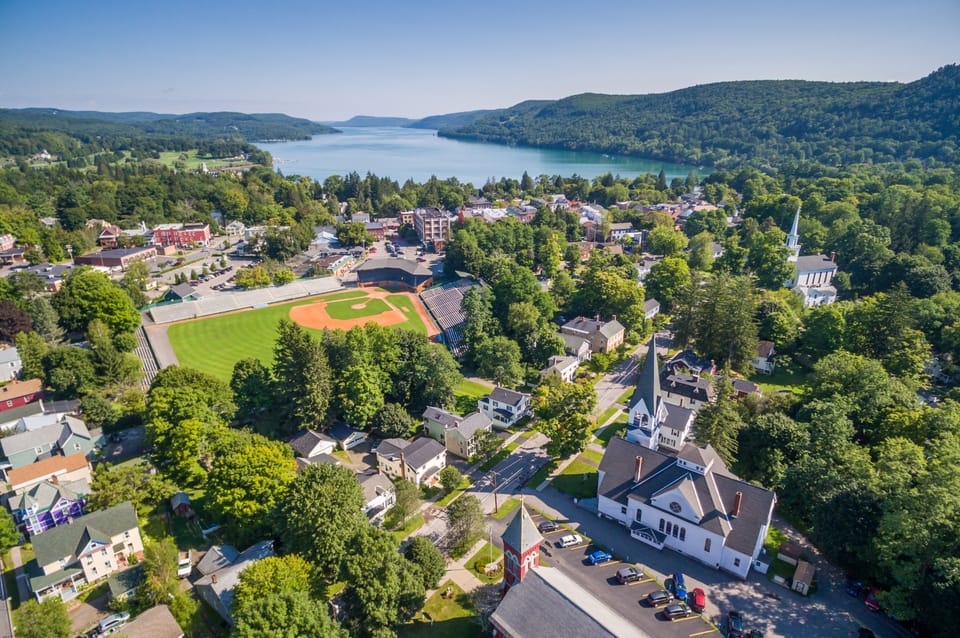
Cooperstown, New York draws visitors from across the country for its National Baseball Hall of Fame, where generations of America's favorite players earned immortality. Baseball fans come to see the plaques of their heroes, while youth leagues make pilgrimages to play on historic Doubleday Field. This compact central New York village with a population under 2,000 sits on the shores of Otsego Lake, surrounded by wooded hills. Whether you're exploring vintage trolleys along Main Street, paddling on the water, or browsing art galleries, Cooperstown offers an unexpected escape that blends small-town charm with world-class attractions.
Baseball Heritage
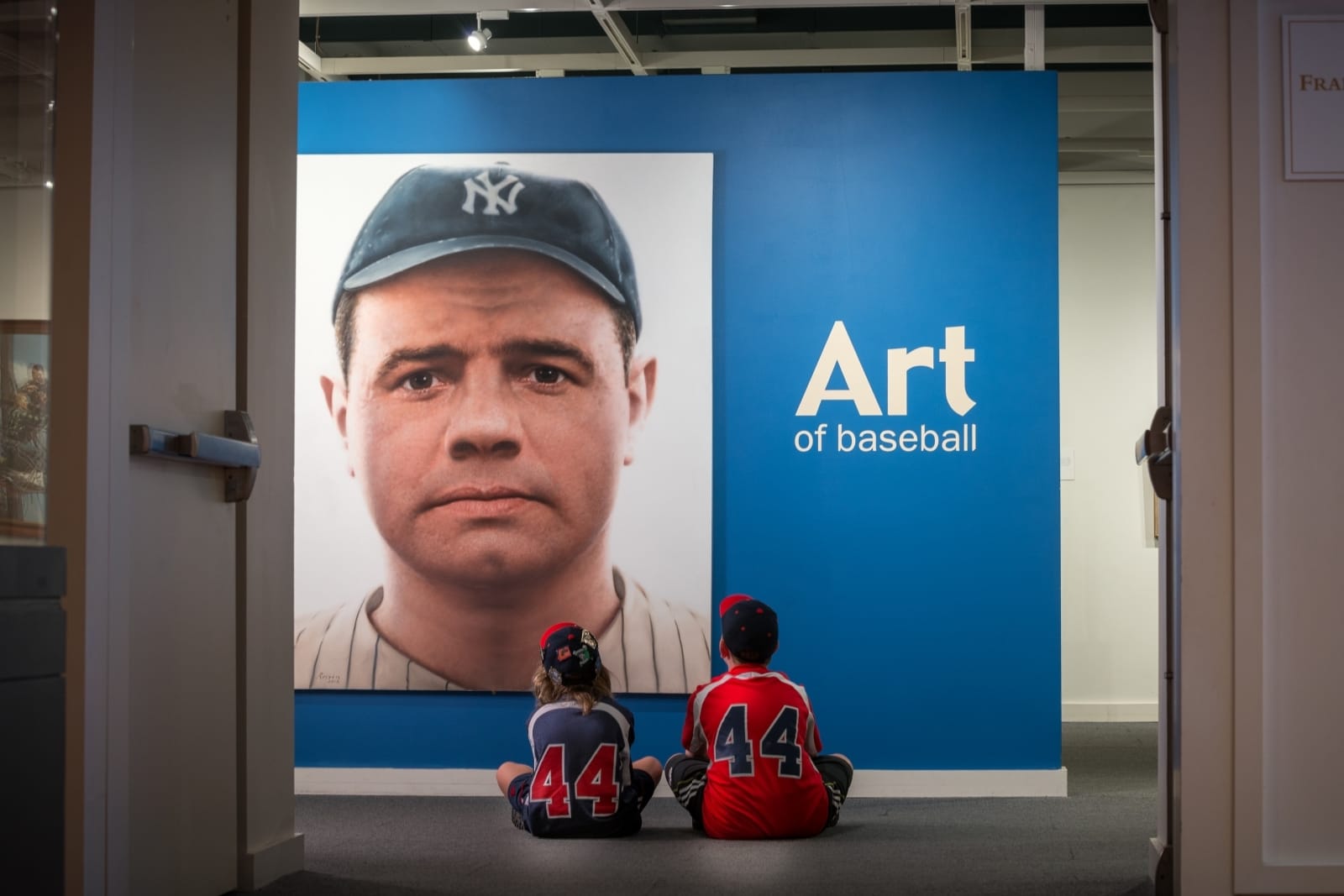
Baseball evolved from earlier bat-and-ball games into America's national pastime during the mid-19th century, capturing the imagination of communities across the country. By the early 20th century, the sport had woven itself into American culture so deeply that preserving its history became essential. The National Baseball Hall of Fame opened on June 12, 1939, coinciding with baseball's centennial celebration. That first ceremony inducted 11 legends including Babe Ruth, Ty Cobb, Walter Johnson, Christy Mathewson, and Honus Wagner. Today, 354 members have earned plaques in the Hall, representing players, managers, umpires, and executives who shaped the sport across generations.
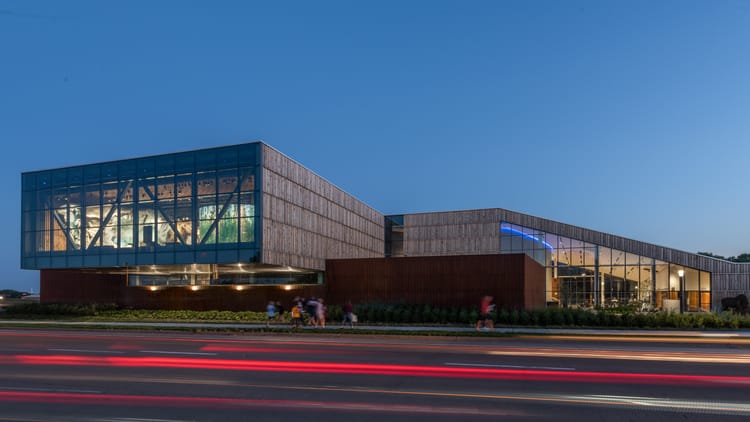
The museum houses more than 150,000 baseball cards and countless artifacts that chronicle the game's evolution from sandlot pastime to professional enterprise. Guided tours from September through May share stories beyond the exhibits, highlighting significant pieces from baseball's greatest moments and forgotten tales that reveal the human side of legendary players. The collection ranges from vintage leather gloves and wooden bats to modern memorabilia, creating a timeline of how equipment, strategy, and the sport itself evolved. Visitors discover not just statistics and records, but the cultural impact baseball had on American life through war, economic depression, civil rights struggles, and social change.
Doubleday Field, just steps from the Hall of Fame, hosts games throughout the season. This historic ballpark connects today's players with baseball's storied past, maintaining traditions that began generations ago. Youth tournaments bring teams from across the nation to play on the same diamond where legends once played, creating memories that last lifetimes.
Cultural Attractions
William Cooper founded the village in the late 18th century, establishing a settlement that his son, novelist James Fenimore Cooper, would immortalize in literature. The younger Cooper set many stories in and around Cooperstown, most notably "The Deerslayer," and dubbed Otsego Lake "Glimmerglass," a poetic name that captured the water's mirror-like quality. The Glimmerglass Festival continues this artistic tradition with opera performances each summer, drawing music lovers to lakeside venues.
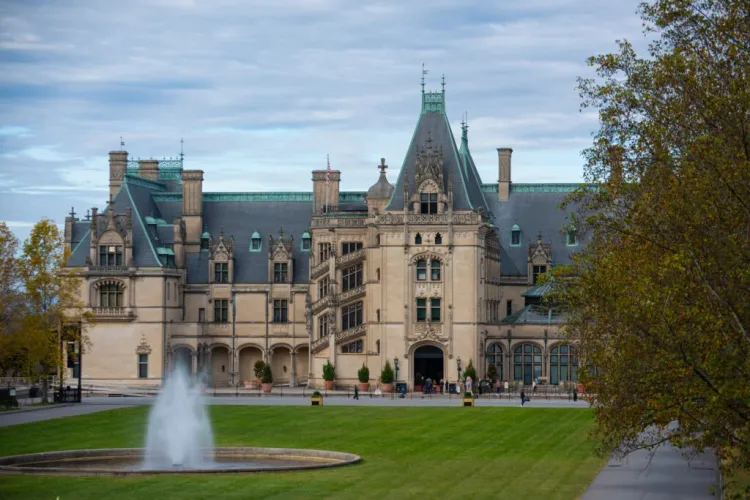
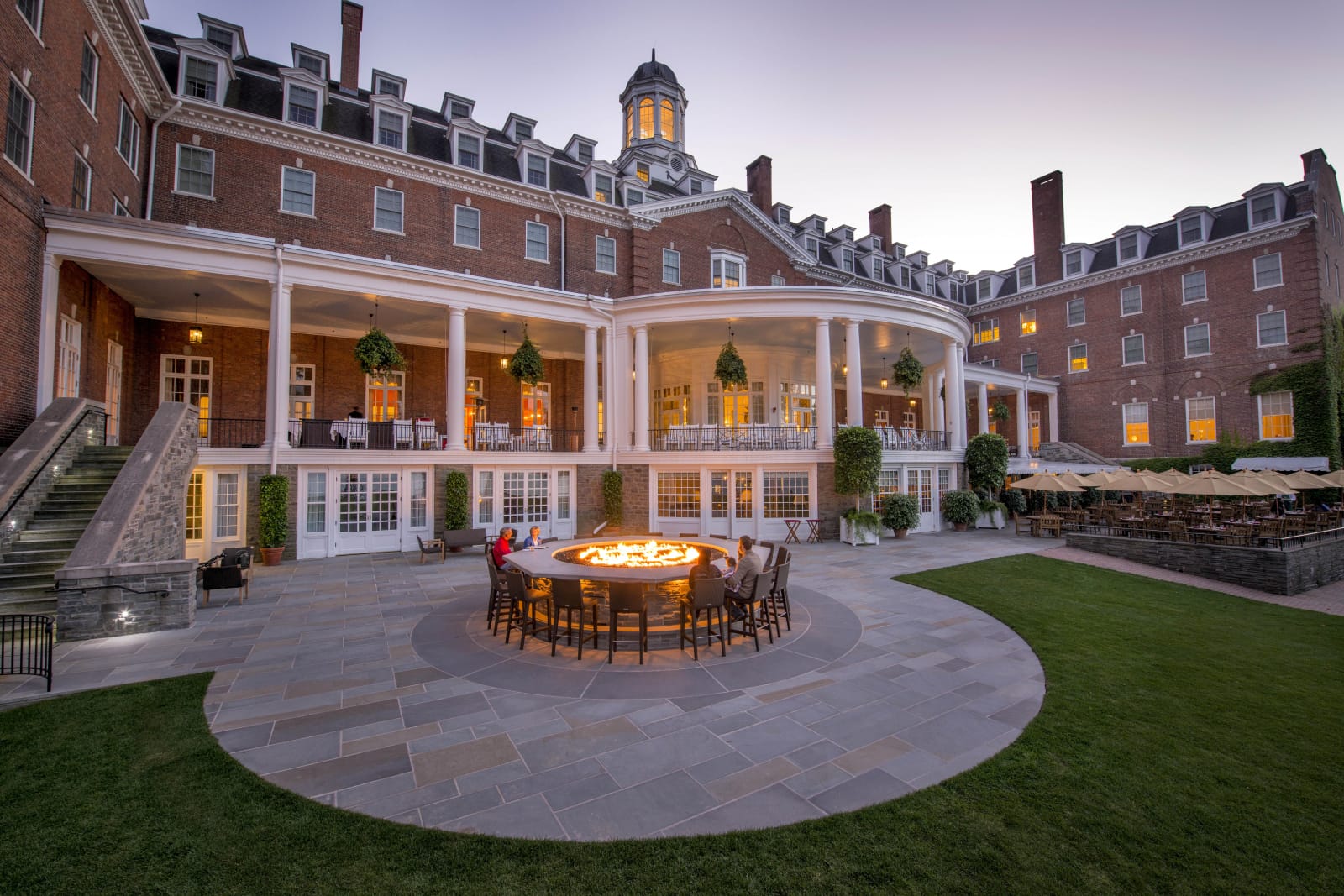
Surrounded by wooded hills and along the lake's shores, Cooperstown attracted wealthy families seeking summer retreats by the mid-1800s. Many estates and houses from that era remain, creating a remarkably preserved historic landscape. The Otesaga Hotel, built in 1909, anchors the lakefront with its grand Colonial Revival architecture. Listed in the National Register of Historic Places and recognized as a Historic Hotel of America, the property has 137 rooms and overlooks the lake from its expansive patio where guests have gathered for more than a century.
The Farmers' Museum, one of America's oldest outdoor living history museums, recreates rural life in 1845 through historic trade shops and craft demonstrations. Costumed interpreters show traditional skills from blacksmithing to weaving, illustrating how farmers and artisans worked before industrialization transformed American life. The Fenimore Art Museum displays one of the country's premier folk art collections alongside American fine art and Native American pieces, with rotating exhibitions that provide fresh experiences for repeat visitors. Several small galleries and the Cooperstown Art Association round out the village's artistic offerings.
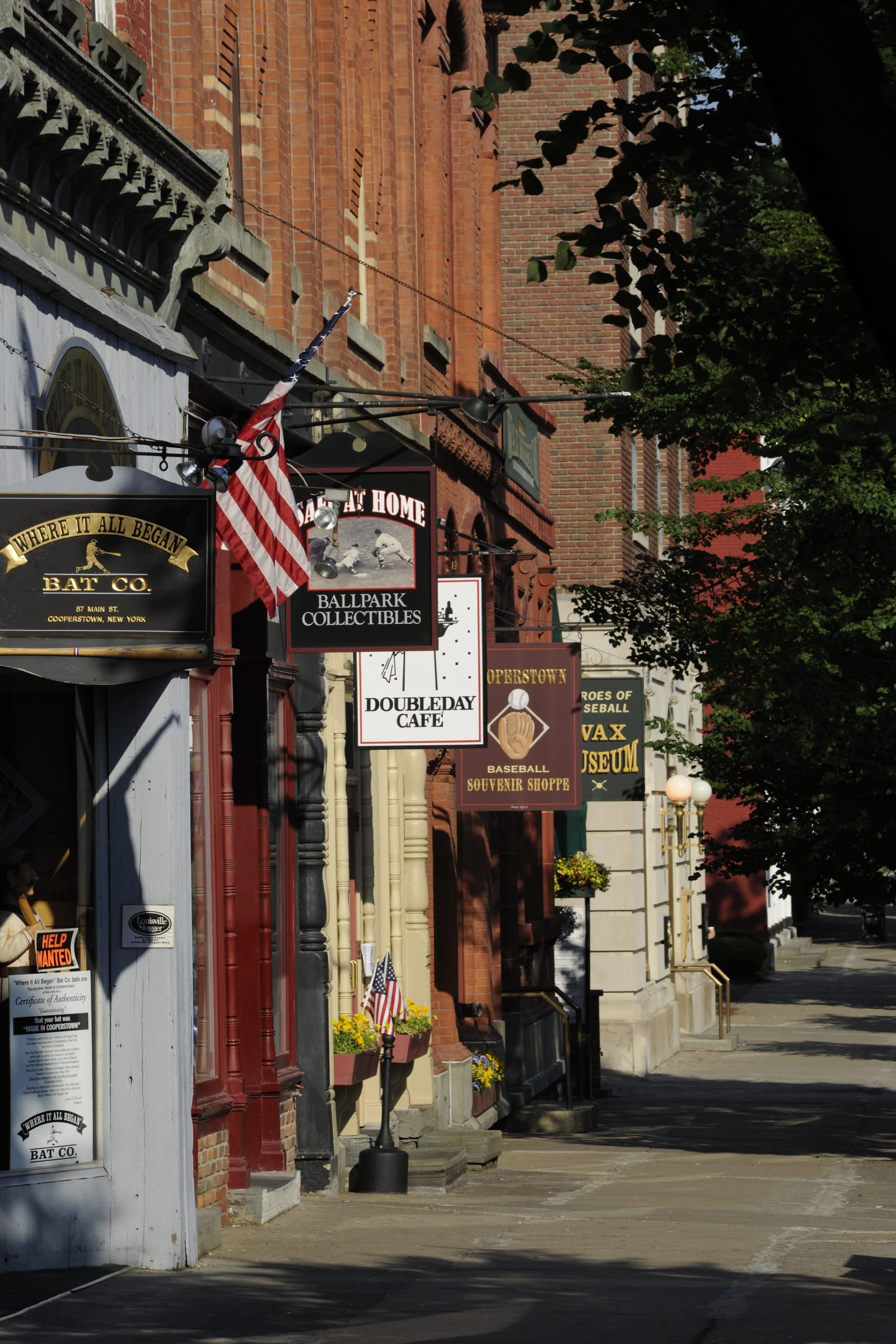
Downtown Cooperstown maintains its small-town character through independent shops, bed-and-breakfast inns, and locally owned restaurants in historic buildings along Main Street. A trolley system with five vintage-style vehicles connects visitors to museums and shops, adding nostalgic charm and solving parking challenges in the compact downtown. The year-round Farmers' Market operates Saturdays on Main Street, with extra Tuesday hours in summer, bringing local produce, baked goods, and handcrafted items to weekly gatherings. Special events fill the calendar, from harvest festivals and holiday celebrations to car shows, craft fairs, and golf tournaments at Leatherstocking Golf Course.
Outdoor Recreation
Otsego Lake is the centerpiece for Cooperstown's outdoor activities in every season. Three Mile Point Park and Fairy Spring Park offer swimming and picnicking along the lake's shores from Memorial Day weekend through Labor Day, giving families easy access to beaches and green spaces. An annual canoe regatta draws paddlers to the lake, while fishing remains popular throughout open water seasons for anglers pursuing bass, trout, and other species.
Glimmerglass State Park, named for Cooper's literary nickname for the lake, offers extensive facilities including campgrounds, hiking trails, and diverse recreational opportunities. The park's terrain ranges from lakefront areas to forested hillsides, providing habitat for wildlife and scenic backdrops for outdoor exploration. When snow arrives, the park becomes a winter sports destination with cross-country skiing, ice skating, and tubing.
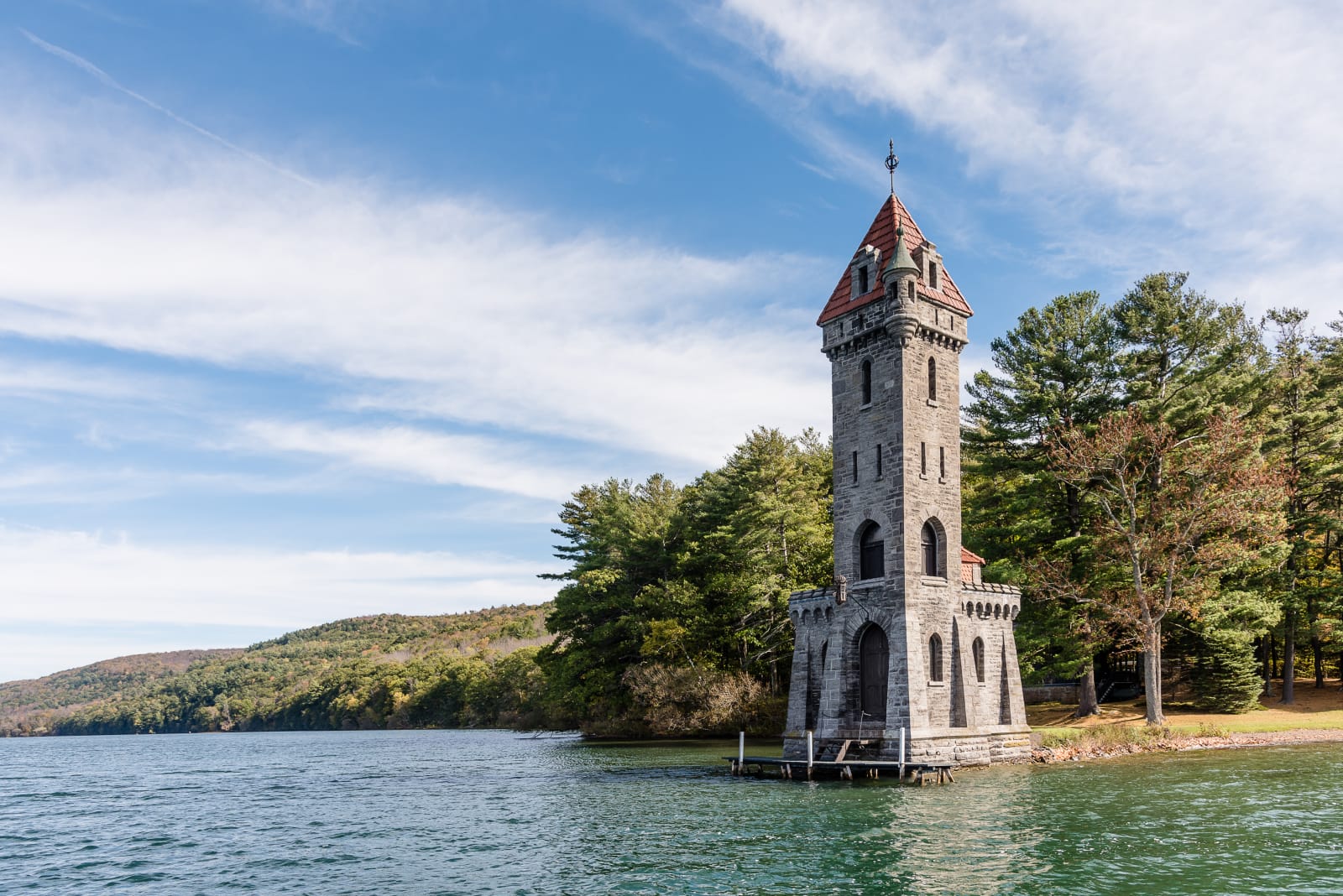
The Kingfisher Tower is Glimmerglass State Park's distinctive landmark. Built in the 1930s by the Civilian Conservation Corps, this stone observation tower rises above the treetops to provide panoramic views of Otsego Lake and the surrounding countryside. A moderate hike through the woods leads to the tower, where visitors climb interior stairs to reach observation decks. The vistas reveal why Cooper chose "Glimmerglass" as his poetic description. On calm days, the lake's surface mirrors the sky and surrounding hills with remarkable clarity, creating the illusion of looking through glass rather than at water.
Cooperstown sits in central New York, accessible from several major cities within a few hours' drive. The compact downtown makes walking the preferred way to explore Main Street and nearby attractions, though the trolley system provides convenient connections to outlying museums. Summer and fall bring peak visitor numbers, especially during Hall of Fame induction weekend in late July. Spring and winter offer quieter experiences, with most attractions maintaining regular hours year-round.