Cape May's Victorian Seaside Resort - It's a Shore Thing!
Stroll Through America's Oldest Seaside Resort in Cape May, New Jersey
At the southernmost tip of New Jersey, where the Atlantic Ocean meets Delaware Bay, sits America's first seaside resort. Cape May has been welcoming visitors for centuries, and today this charming coastal town continues to enchant travelers with its unique blend of Victorian architecture, immaculate beaches, and rich maritime heritage.
What makes Cape May truly special is its remarkable preservation of the past. The entire city holds designation as a National Historic District, protecting more than 600 Victorian buildings that create one of America's most impressive architectural collections. Only San Francisco boasts a larger concentration of these ornate 19th-century structures, making Cape May a living museum where visitors can experience authentic Victorian elegance.
A Resort Born from Tragedy
Cape May's distinctive appearance stems from an unexpected source: disaster. The town, originally named for Dutch explorer Cornelius Mey who mapped the area in the 1620s, began as a simple fishing and whaling community. Its transformation into a fashionable resort destination occurred gradually through the mid-1800s as steamboat access from major cities like Philadelphia, New York, and Baltimore made visits increasingly convenient.
By the 1850s through 1880s, Cape May attracted up to 3,000 daily visitors during peak summer season, including five U.S. Presidents. Franklin Pierce, James Buchanan, Ulysses Grant, Chester Arthur, and Benjamin Harrison all vacationed here, with Harrison even establishing his Summer White House at the historic Congress Hall.
However, two devastating fires changed Cape May's character forever. The first blaze in 1869 was followed by a much larger conflagration in 1878 that consumed 35 acres within what is now the Historic District. Rather than abandon the area, residents rebuilt with even grander wooden structures, creating the historical showcase visitors admire today.
The Story Behind the "Painted Ladies"
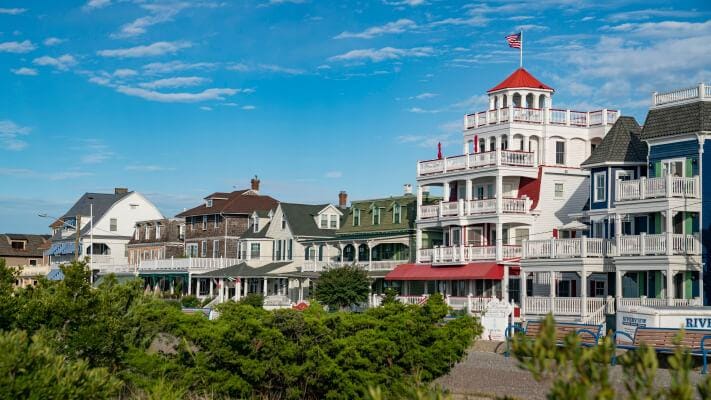
Cape May's Victorian buildings earned the nickname "Painted Ladies," though the term itself has interesting origins. Authors Michael Larsen and Elizabeth Pomada introduced the phrase in their 1978 book about San Francisco's colorfully restored Victorian homes. The definition describes any Victorian or Edwardian building decorated in multiple colors that emphasize decorative architectural elements.
Walking through Cape May today, you'll notice three distinct approaches to Victorian color schemes: historically accurate palettes, historically appropriate choices, and bold contemporary interpretations. The bright pinks and lavenders adorning some buildings would have surprised original Victorian residents, who typically preferred white paint for its presumed durability and fresh appearance.
Historical color preferences evolved through six distinct phases between 1820 and 1920, shifting from pale early shades to richer later hues. These carefully chosen colors accentuate the buildings' defining features: intricate round towers, elaborate rooflines, and distinctive peaked sections that required skilled craftsmen to construct and maintain.
Exploring Cape May's Architectural Treasures
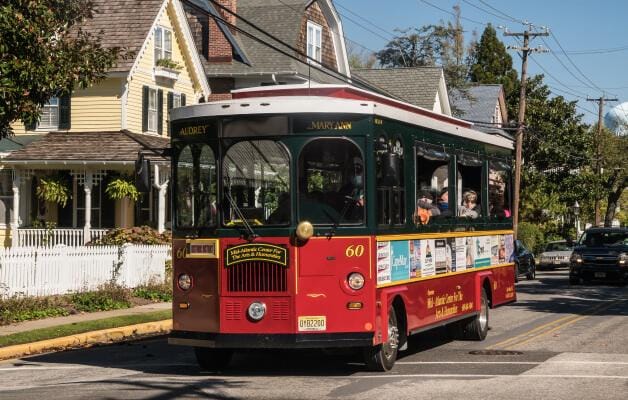
The best way to appreciate Cape May's Victorian splendor is through guided exploration. The Mid-Atlantic Center for the Arts & Humanities (MAC) operates distinctive red trolley tours that provide comfortable transportation while experienced tour leaders share fascinating stories about the resort's evolution, architectural significance, and maritime connections.
For those preferring self-guided discovery, the 1879 Emlen Physick Estate offers an intimate look at preserved Victorian interiors and the intricate "gingerbread" trim that defines the era's decorative style. Evening ghost tours add mysterious elements to the historical narrative, combining entertainment with education as visitors learn about the personalities who shaped Cape May's development.
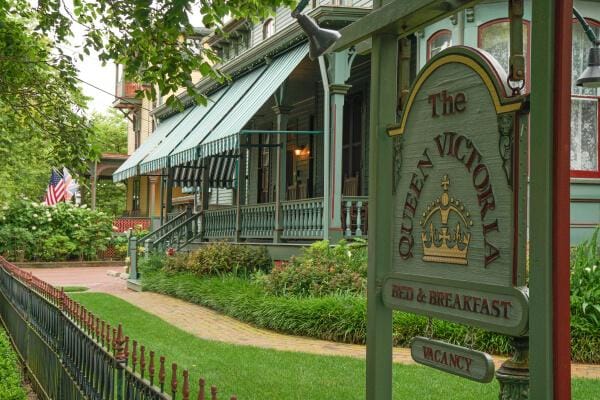
Victorian bed-and-breakfasts throughout the district invite guests to experience authentic period accommodations, complete with wraparound porches furnished with traditional rocking chairs—perfect for watching the world go by at a gentler pace.
Maritime Heritage and Natural Beauty
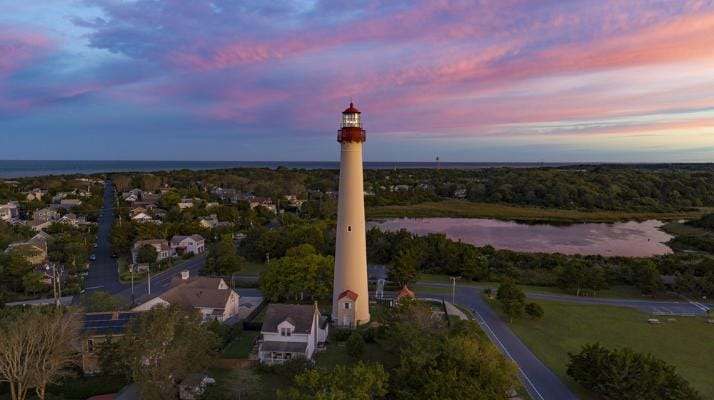
Cape May's appeal extends far beyond its architectural wonders. The Cape May Lighthouse, constructed in 1859, continues serving as an active navigational aid while offering visitors beautiful views for those willing to climb its 199 steps. The lighthouse complex includes an accessible Oil House visitor center and museum shop featuring nautical collectibles.
Nearby, the World War II Lookout Tower represents Cape May's strategic military importance as part of the Fort Miles harbor defense system. The tower features a Wall of Honor recognizing local veterans and provides insight into the area's wartime contributions.
Cape May's beaches offer their own unique attractions. The oceanfront boardwalk provides excellent opportunities for biking, running, or leisurely strolls while enjoying sea breezes. Sunset Beach attracts treasure hunters searching for "Cape May Diamonds"—naturally polished quartz stones that wash ashore and sparkle like genuine gems.
Culinary Excellence and Cultural Events
Modern Cape May balances historical preservation with contemporary amenities, particularly in its celebrated dining scene. The annual Restaurant Week showcases the area's culinary talent when participating establishments offer special three-course fixed-price menus, allowing visitors to sample diverse flavors at exceptional values.
Throughout the year, Cape May hosts numerous festivals and special events that celebrate everything from Victorian heritage to maritime traditions. The pedestrian-friendly Washington Street Mall serves as a retail center where visitors can browse unique boutiques and specialty stores housed in historic buildings.
Cape May's combination of preserved architecture, natural beauty, and cultural sophistication has earned recognition from Condé Nast Traveler, which regularly includes the town on its "Most Beautiful Towns in America" list. Whether you're interested in history, architecture, beach activities, or simply escaping to a more gracious era, Cape May delivers an experience that truly is a shore thing.
For more information about tours and attractions, visit www.capemaymac.org. For information on other New Jersey destinations, go to www.visitnj.org.