Get Hooked on Bombay: Delaware’s Year-Round Wildlife Refuge
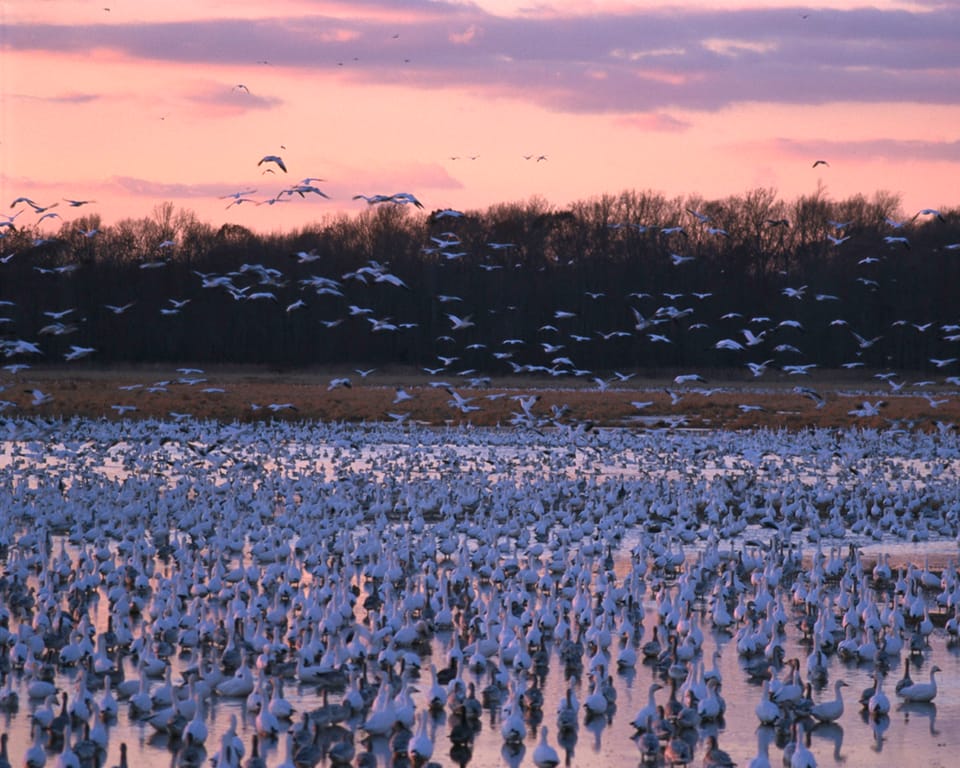
When winter settles over Bombay Hook National Wildlife Refuge, more than 100,000 snow geese blanket the salt marshes and fields in a spectacle of white wings and constant motion. The sight and sound of that many birds arriving from their Arctic breeding grounds draws photographers and birders from across the mid-Atlantic, but it’s just one chapter in a year-round wildlife show that unfolds across 16,251 acres along Delaware Bay.
Bombay Hook protects some of the mid-Atlantic’s most extensive tidal salt marsh. Cordgrass meadows give way to mud flats, tidal pools wind through the landscape, and tides push bay water inland through the rivers twice each day. This rhythm of rising and falling tides creates habitat that supports everything from horseshoe crabs to bald eagles. The refuge is a critical stopover for birds traveling between Canadian nesting grounds and wintering areas far to the south.
The refuge’s appeal changes with the calendar. March brings waves of waterfowl heading north. Pintails, mallards, and Canada geese pause to feed in the managed freshwater pools before continuing their journey. By May, the marsh becomes a feeding frenzy as thousands of shorebirds arrive just as horseshoe crabs crawl onto bay beaches to lay eggs. The timing is no coincidence. Those eggs fuel the birds’ flight to Arctic nesting sites. Watching red knots, ruddy turnstones, and sanderlings feast on this ancient food source offers a glimpse into ecological connections that span continents.
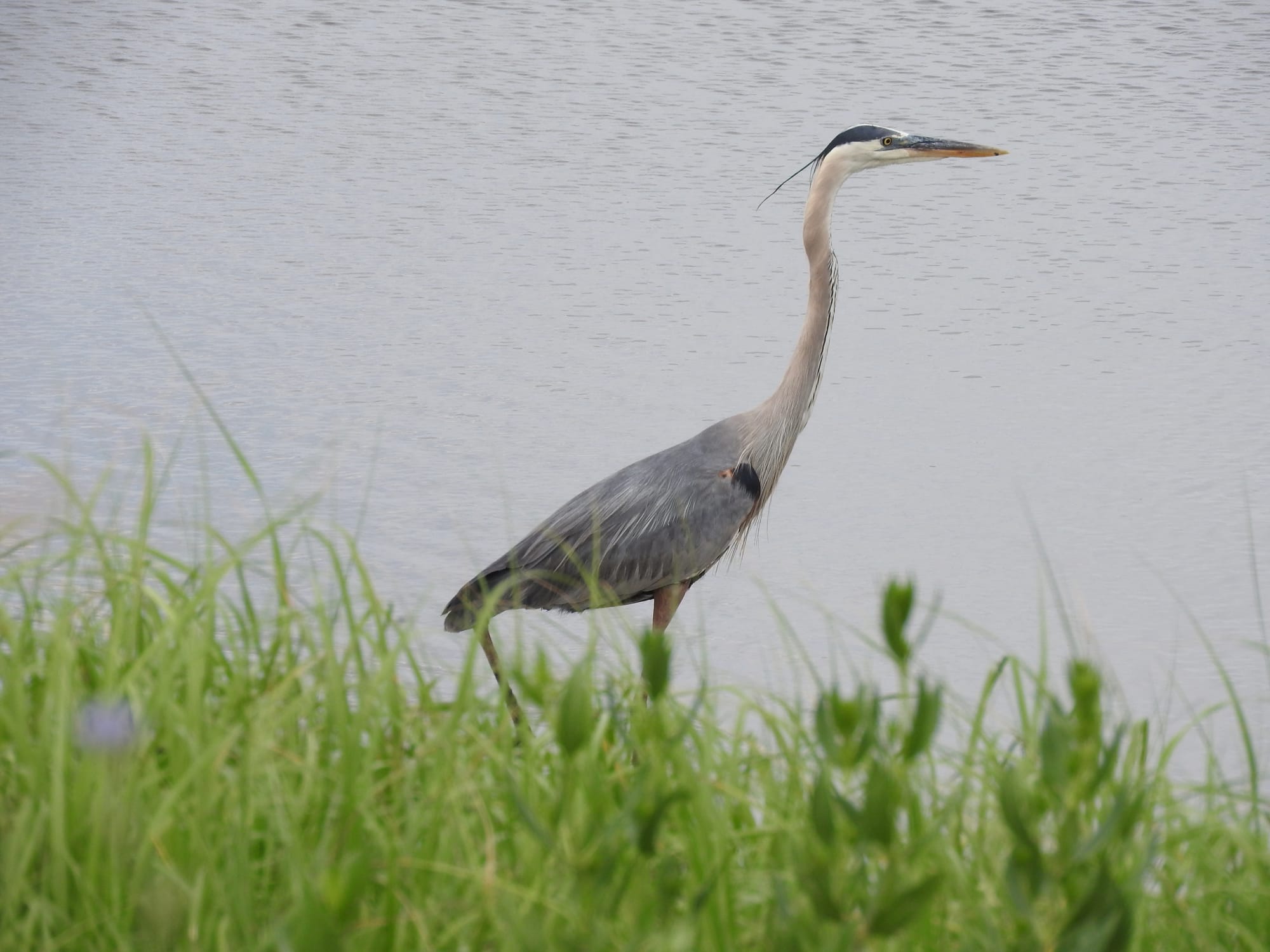
Summer shifts the focus to wading birds. Great egrets, glossy ibis, and great blue herons stalk through shallow waters, while ospreys patrol overhead. The marshes buzz with insects during these months. Visitors need long sleeves, long pants, and insect repellent, but the insects provide essential food for countless species. Autumn brings the return of waterfowl, with duck numbers building through October until winter arrives and the snow geese reclaim center stage.
Exploring the Refuge
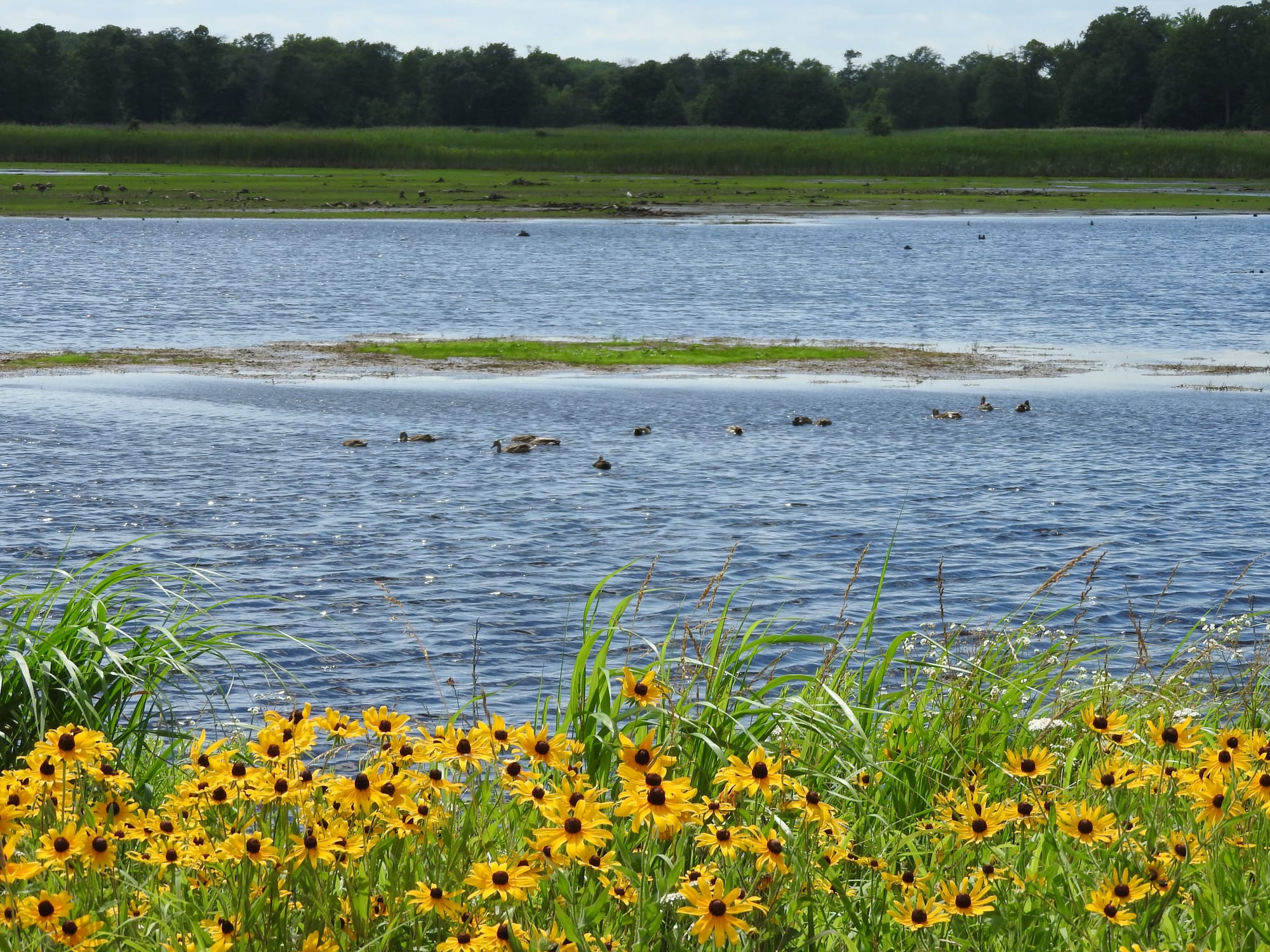
Visitors explore Bombay Hook primarily via a twelve-mile wildlife drive that loops through diverse habitats. The paved route passes freshwater impoundments where water levels are adjusted to create feeding areas for different species. It winds through upland fields and forests and skirts the edge of the vast salt marsh. Five walking trails branch off from the drive, ranging from quarter-mile paths to the mile-long Parsons Point Trail. Three trails include thirty-foot observation towers offering panoramic views over the refuge.
The Boardwalk Trail provides the most intimate look at the salt marsh itself. It carries visitors over terrain that shifts between solid ground and tidal channel depending on the bay’s rhythm. Bear Swamp Trail leads to both a tower and a floating platform on a freshwater marsh. The newest addition, the Forest Discovery Tree Trail, stretches nearly three miles through old and new growth forest with numbered trees keyed to an identification guide.
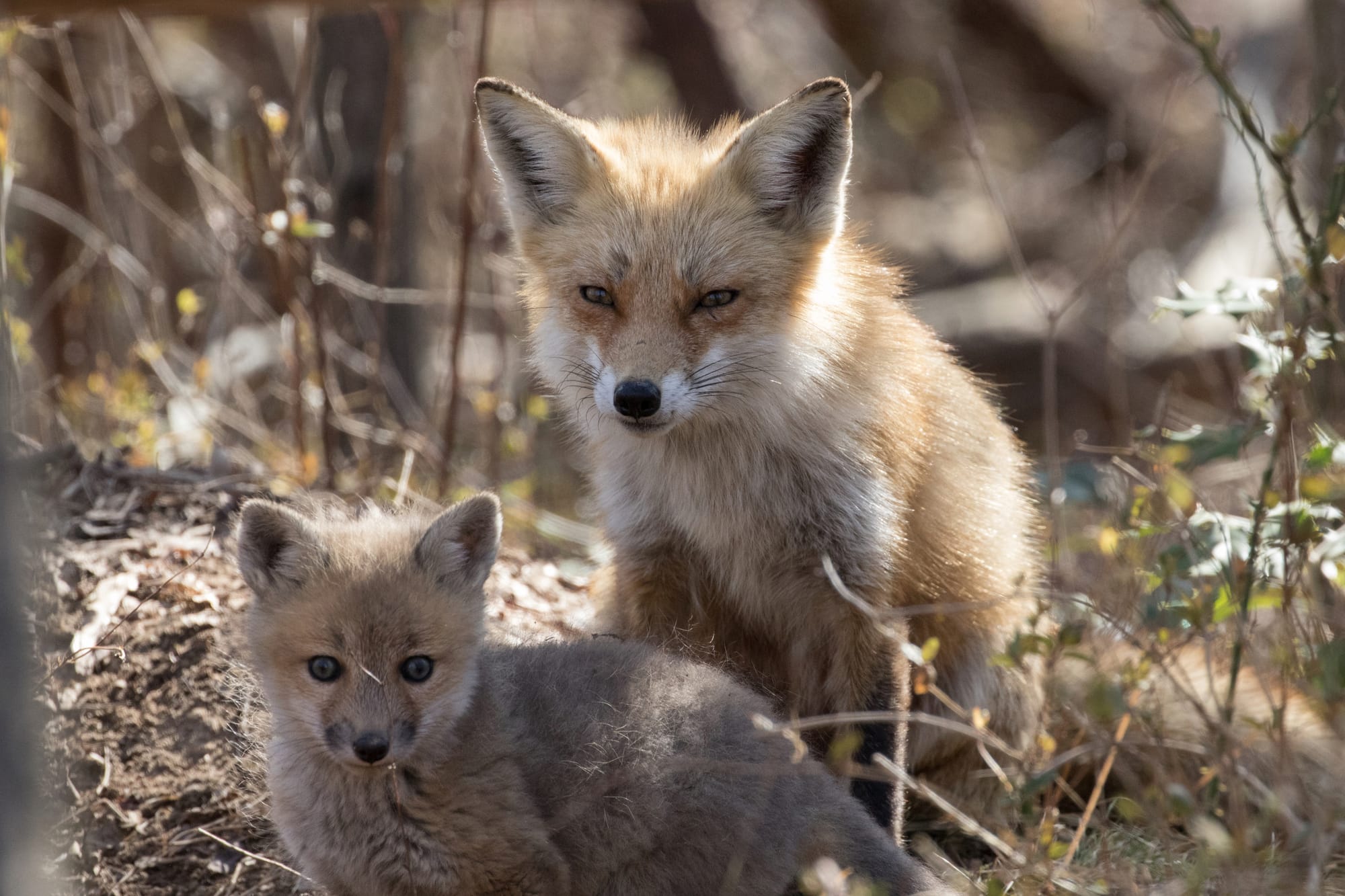
Bald eagles nest at Bombay Hook. Watching adults tend their nests from January through March offers a chance to observe one of the refuge’s most dramatic success stories. Eagles that once nearly disappeared from the region now thrive here, fishing the tidal creeks and perching in dead trees that rise like sculptures from the marsh. White-tailed deer browse in fields at dawn and dusk year-round. River otters patrol the waterways. Red foxes, muskrats, and the occasional woodchuck round out the mammal sightings.
The refuge operates under regulations designed to protect the wildlife it supports. Visitors must stay in vehicles or on designated trails. Disturbing wildlife, including flushing birds for better photographs, violates federal law. Drones are prohibited. The rules reflect the refuge’s primary mission: providing habitat for migrating birds and other wildlife first, with human recreation welcome as long as it doesn’t interfere.
Planning Your Visit
The wildlife drive opens 30 minutes before sunrise and closes 30 minutes after sunset daily, allowing photographers to capture the golden light that makes the marshes glow. The visitor center operates year-round, Monday through Friday from 8:00 AM to 4:00 PM, with weekend hours added during spring and fall migration. The center features interpretive exhibits, nature films, and a gift shop operated by the Friends of Bombay Hook National Wildlife Refuge.
Entrance fees help maintain the refuge and expand habitat protection. A daily vehicle pass costs $4, while an annual pass provides unlimited access. The refuge accepts Federal Duck Stamps and various interagency passes, including free lifetime passes for seniors age 62 and older and permanently disabled visitors.
Bombay Hook National Wildlife Refuge is located at 2591 Whitehall Neck Road in Smyrna, Delaware. From Route 13, take Route 42 East to Route 9 toward Leipsic, then turn onto Whitehall Neck Road, which ends at the refuge entrance. Visit www.fws.gov/refuge/bombay_hook for current conditions, seasonal closures, and program schedules, or call 302-653-9345 for information.